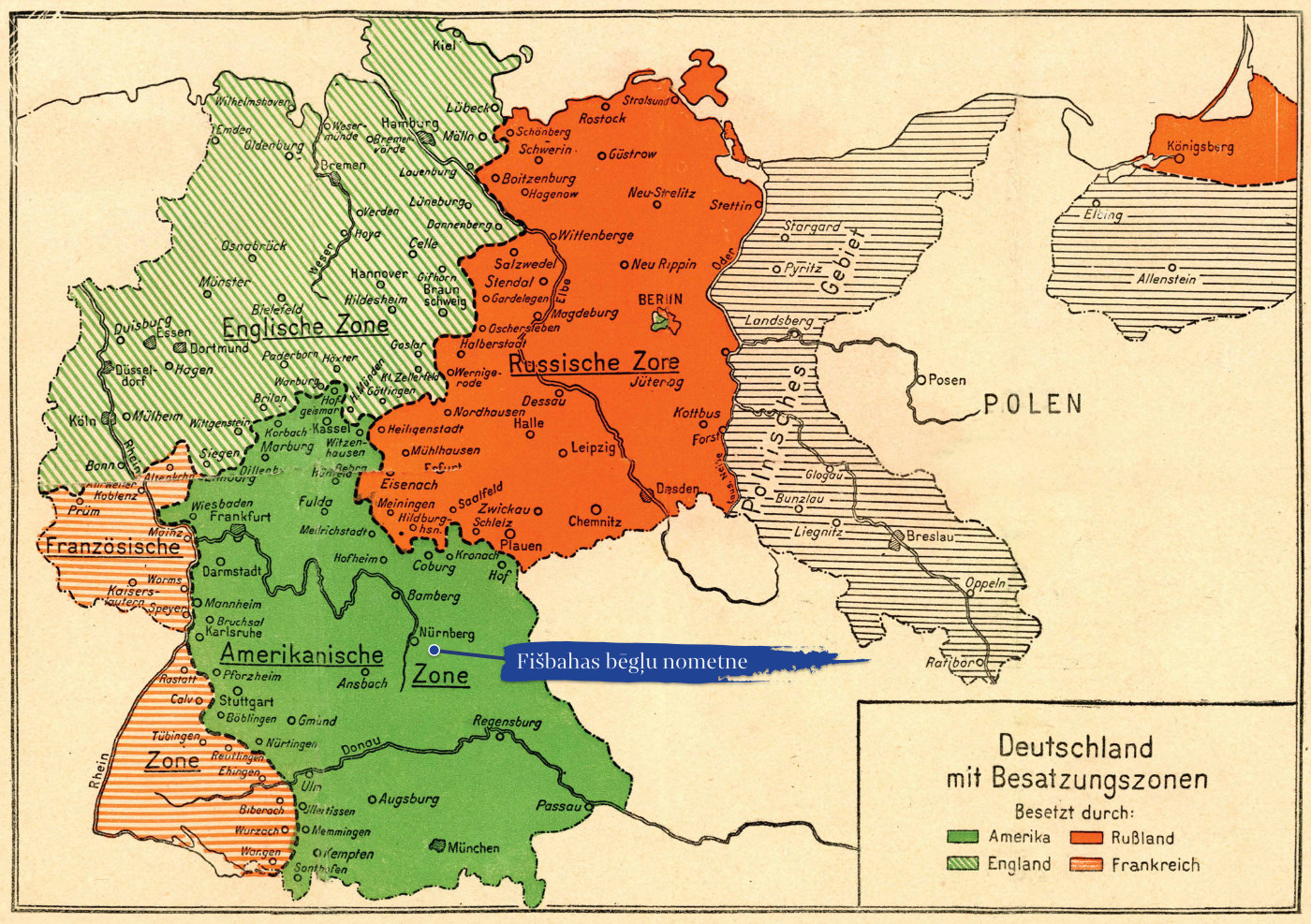
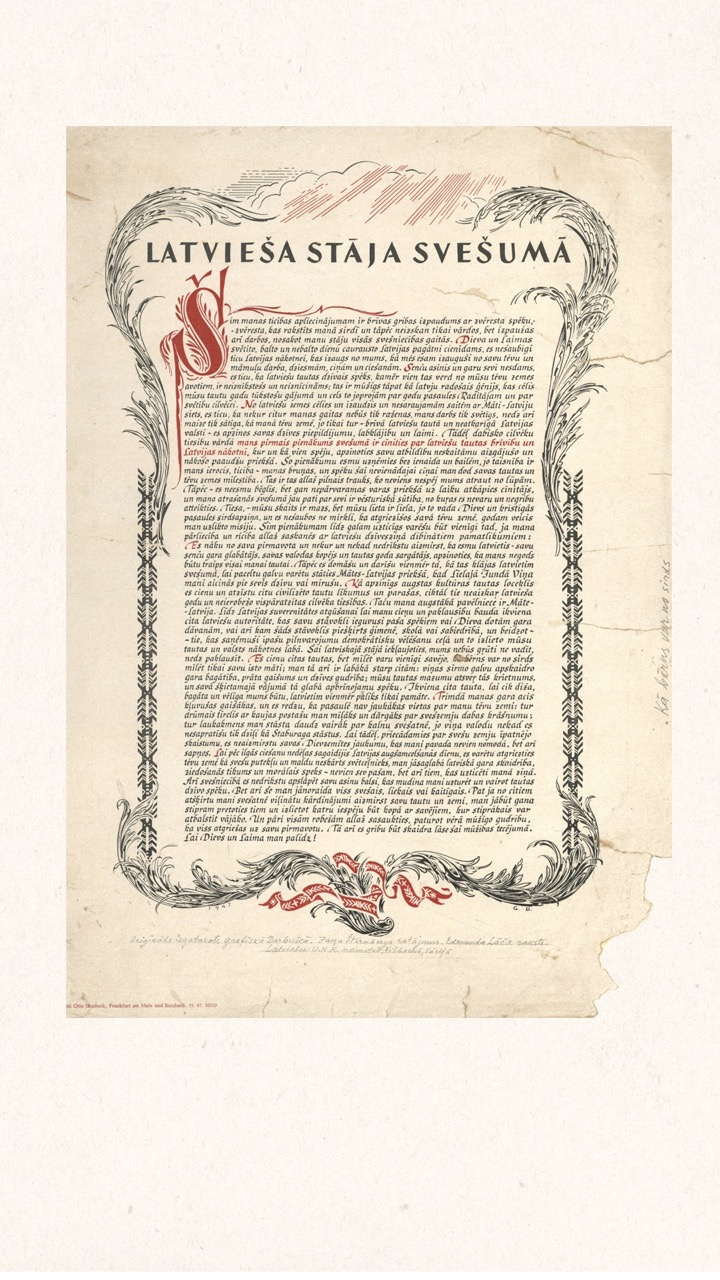
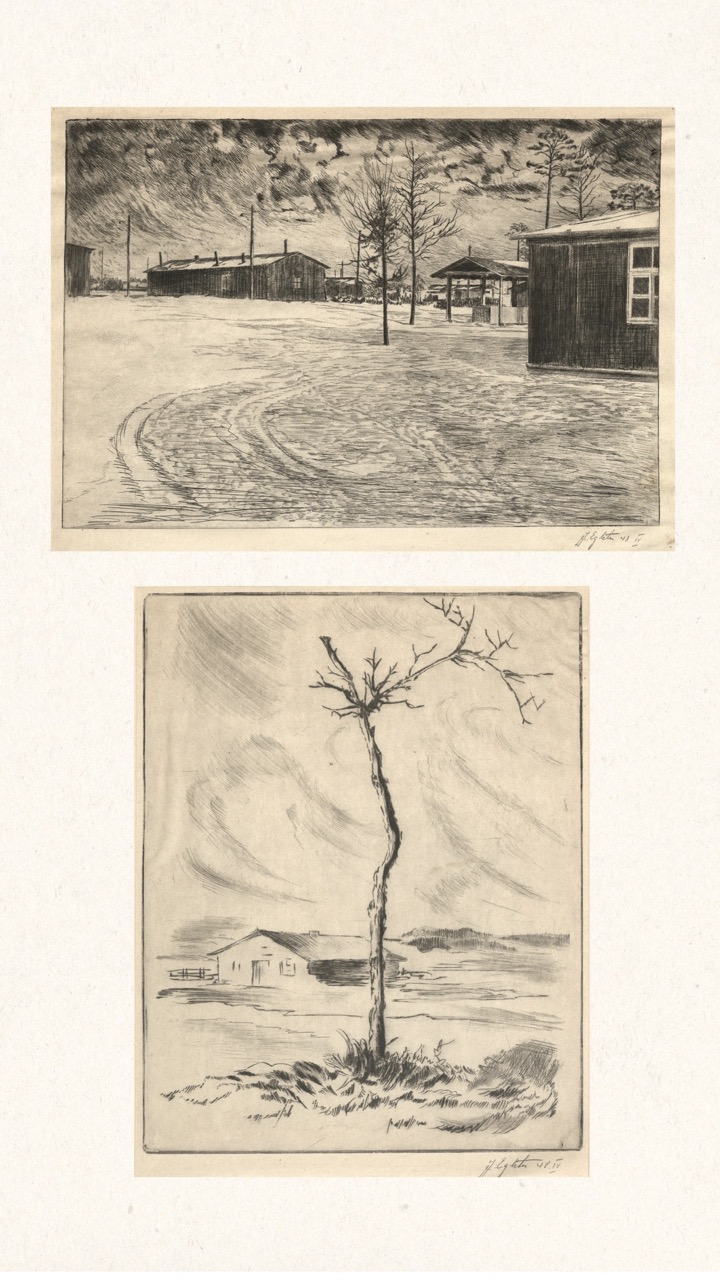
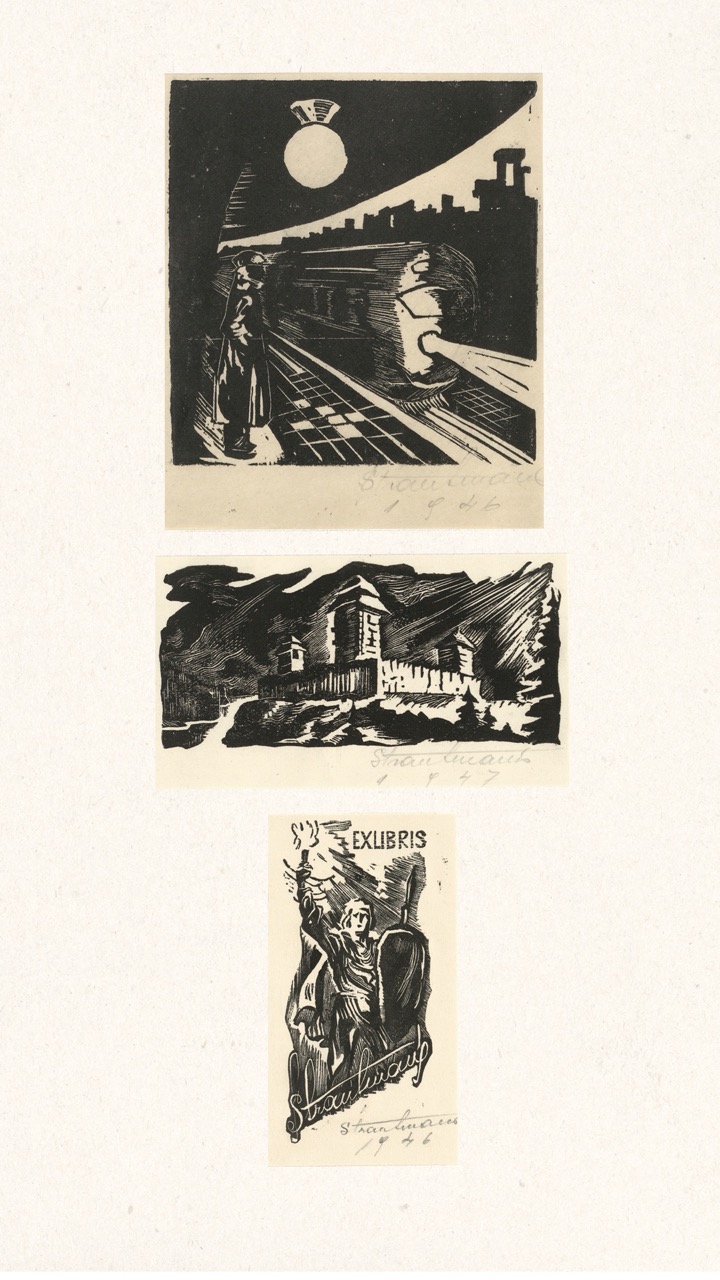
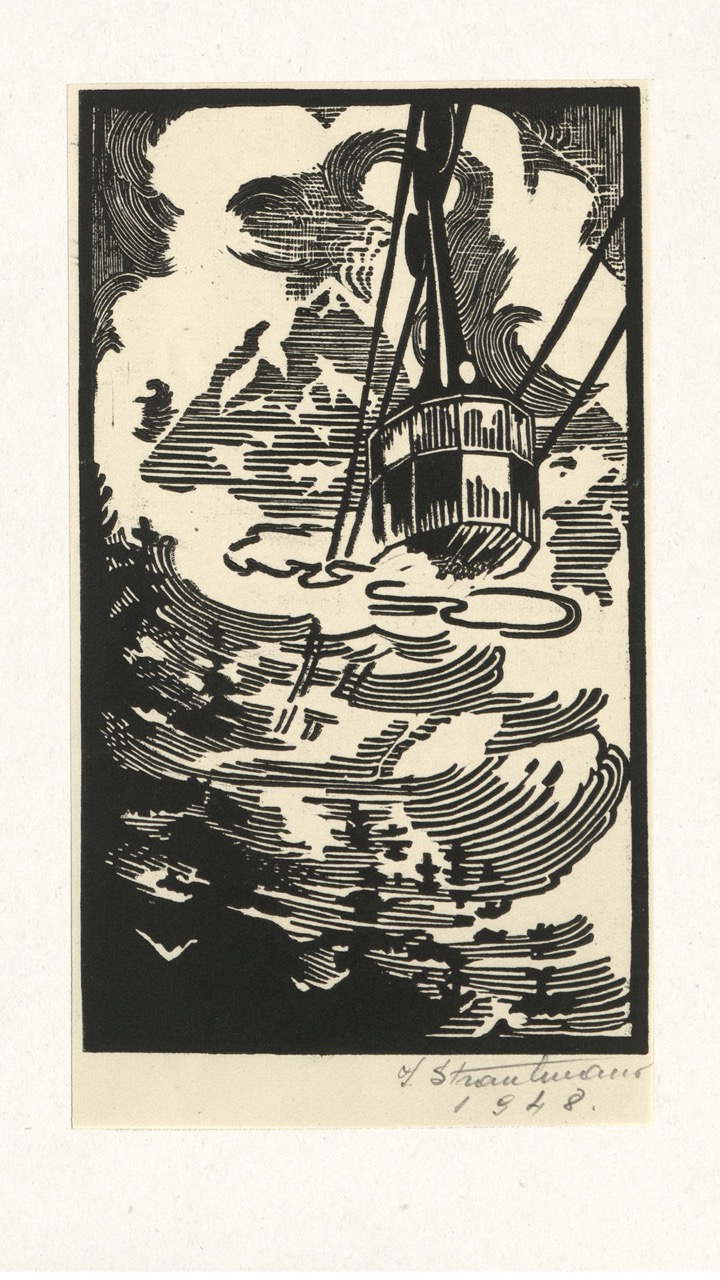
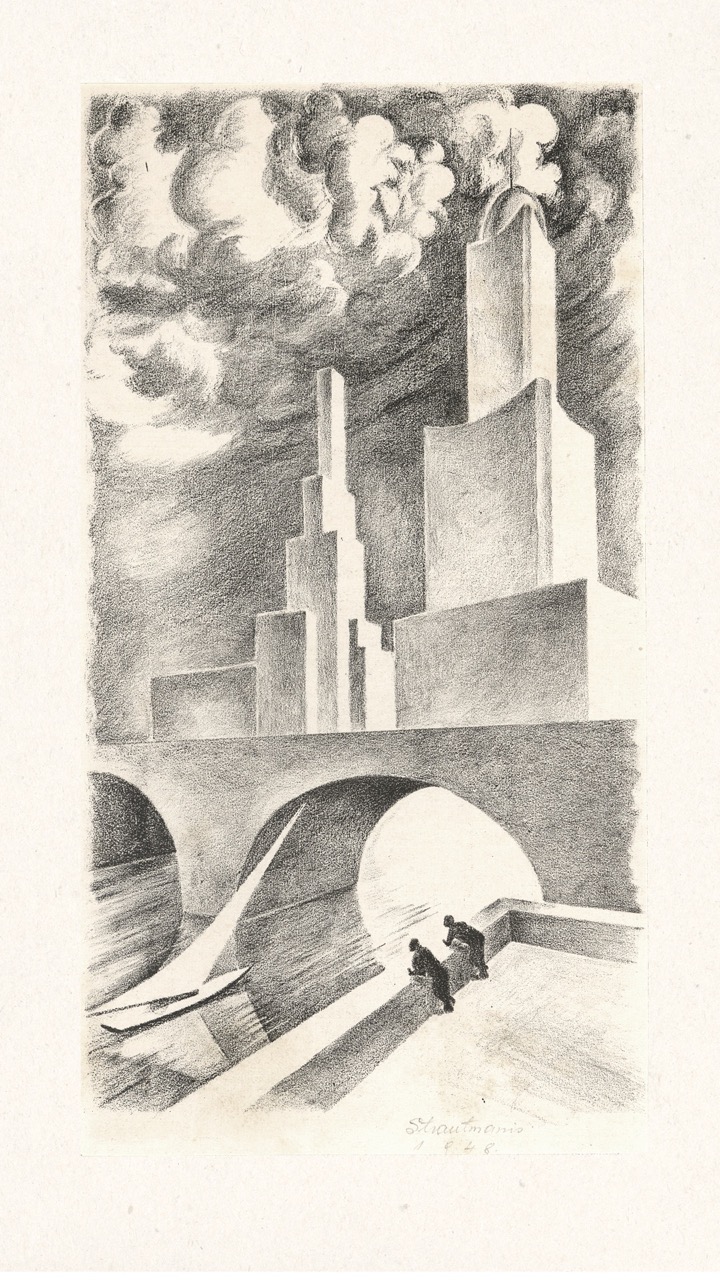
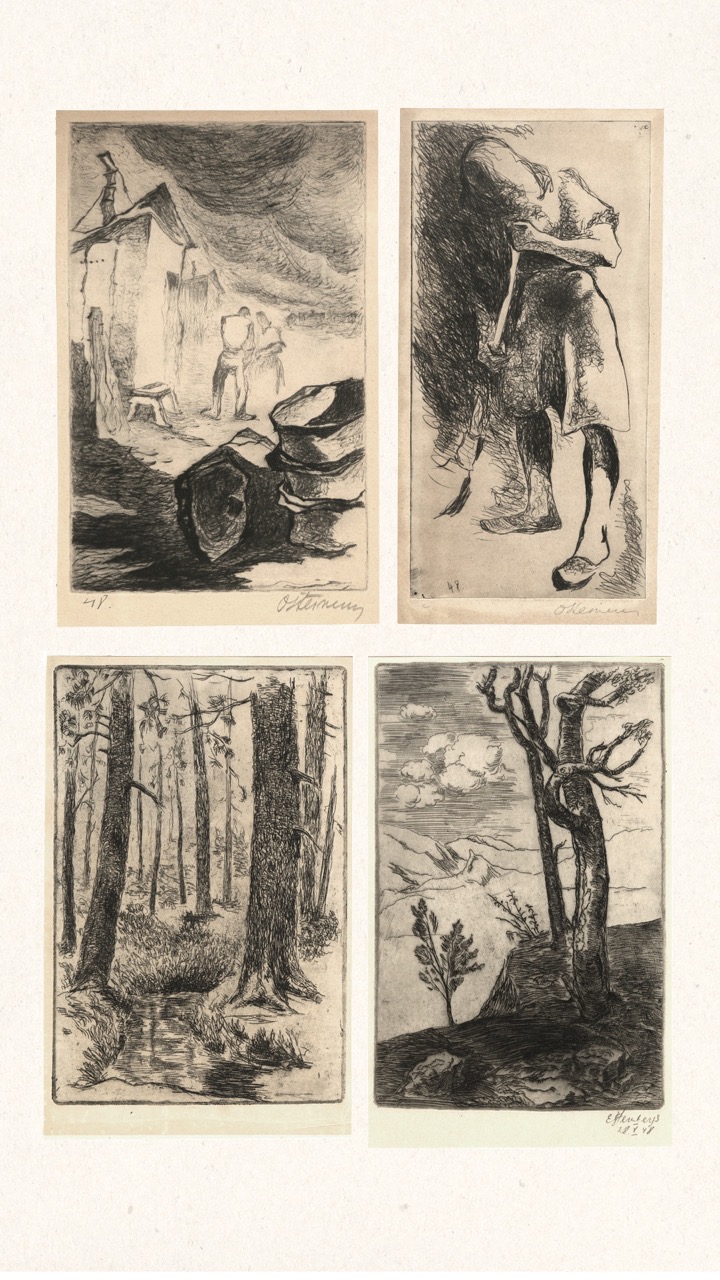
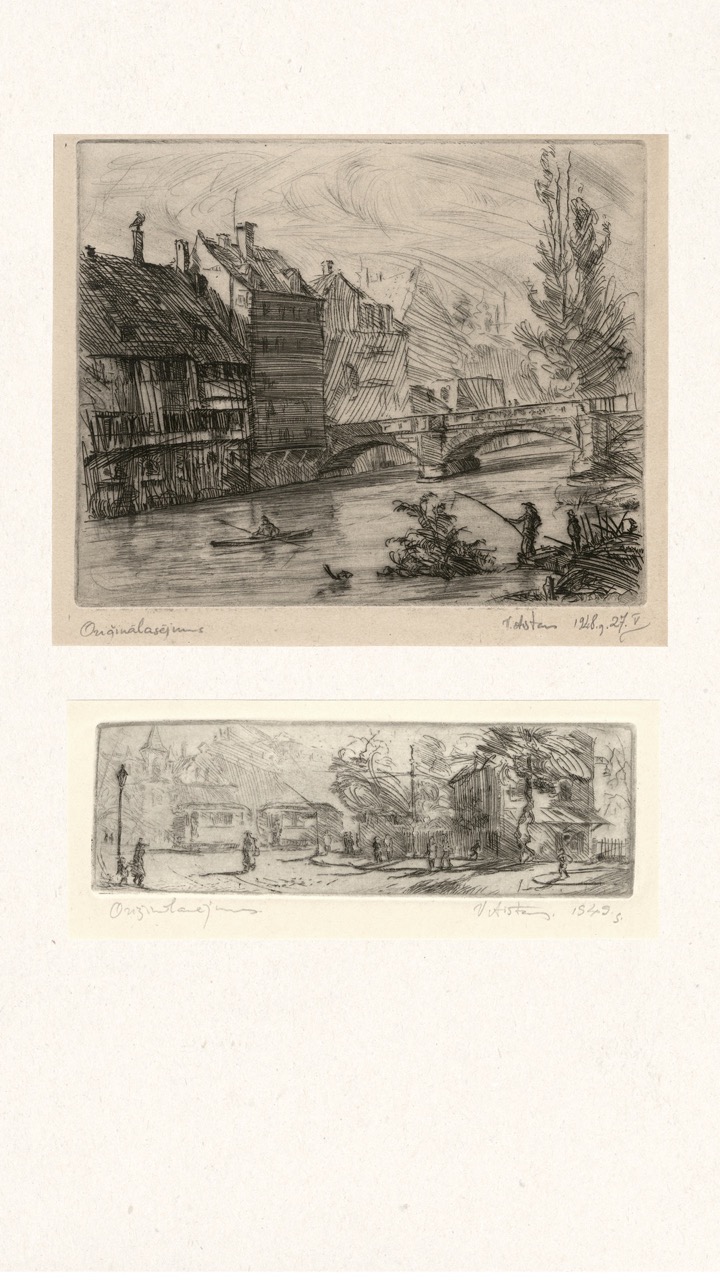
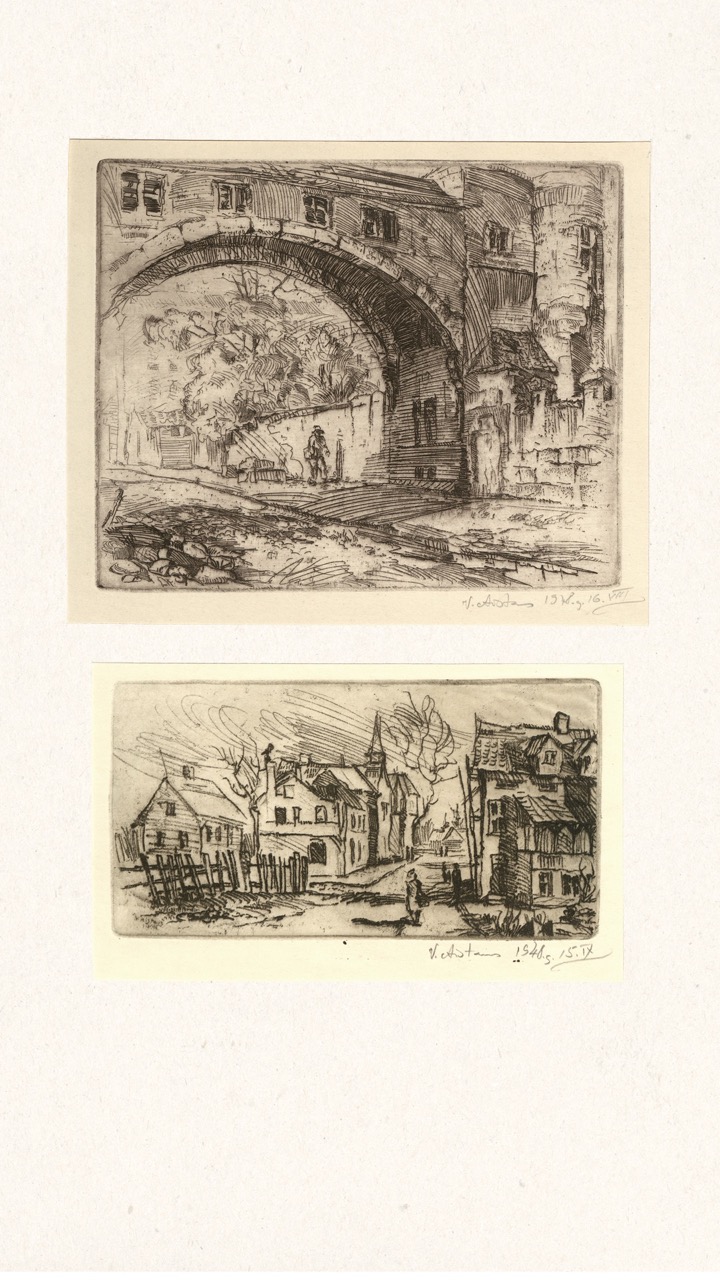
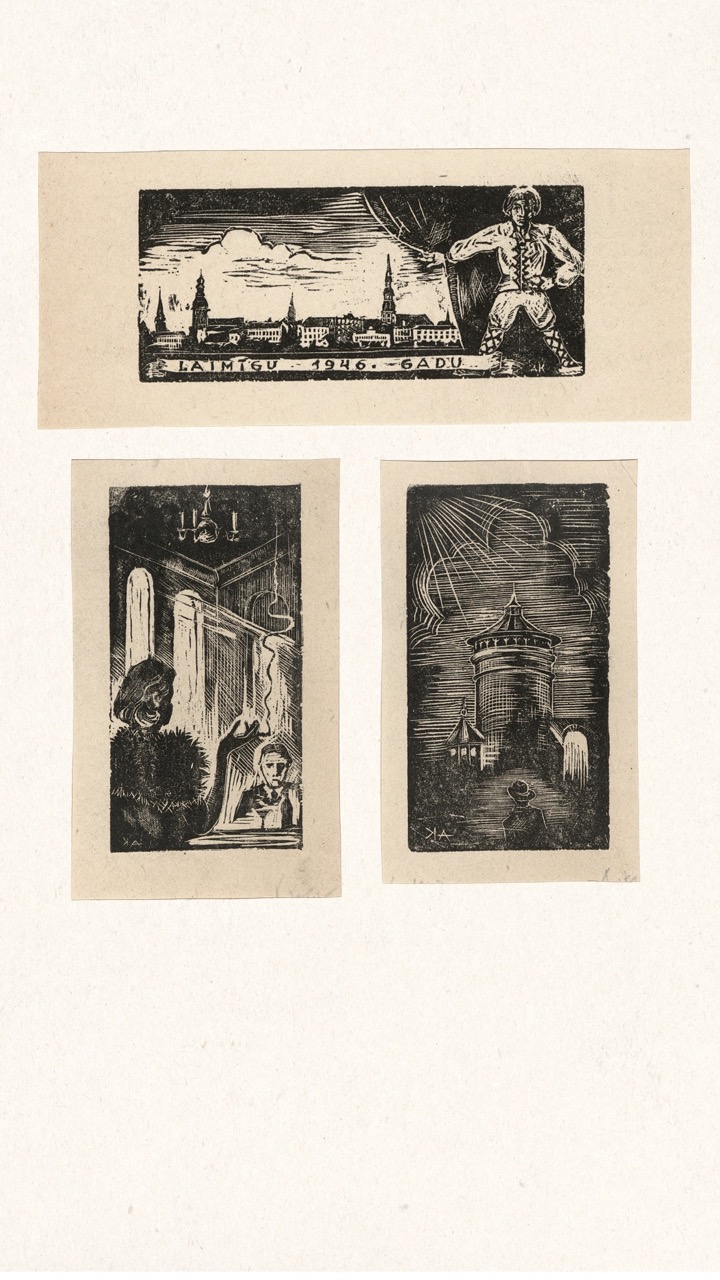
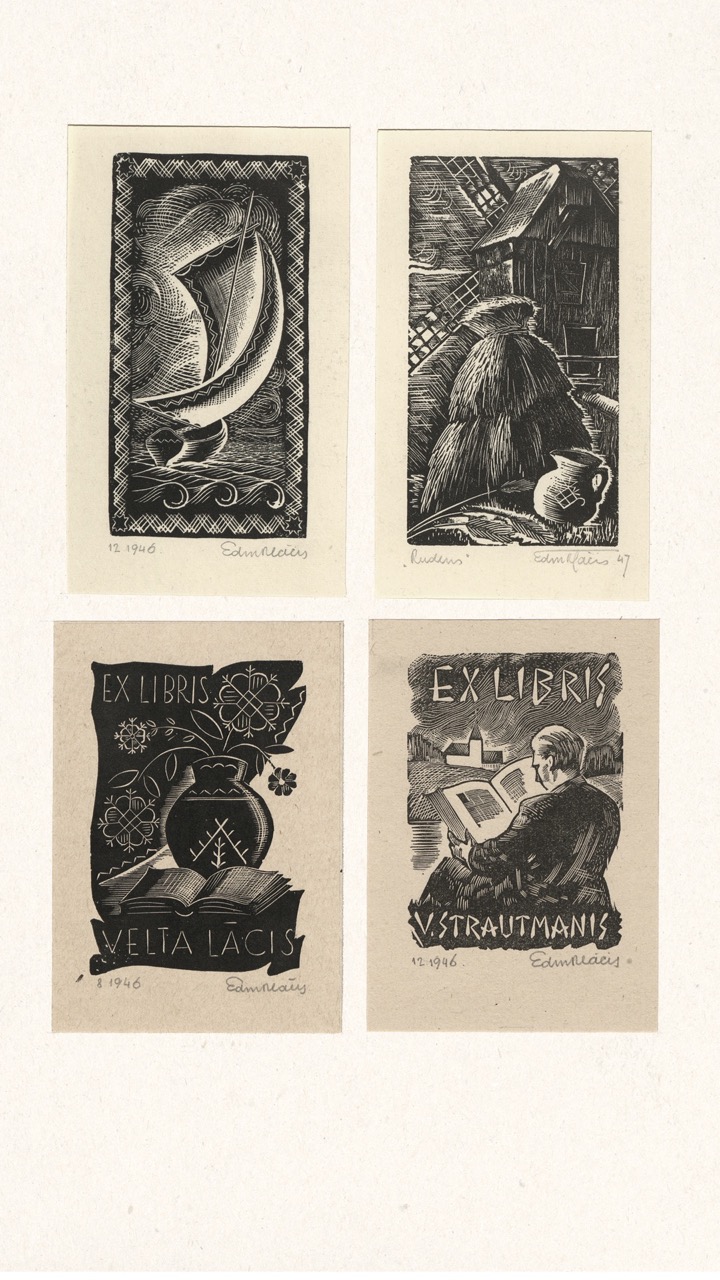
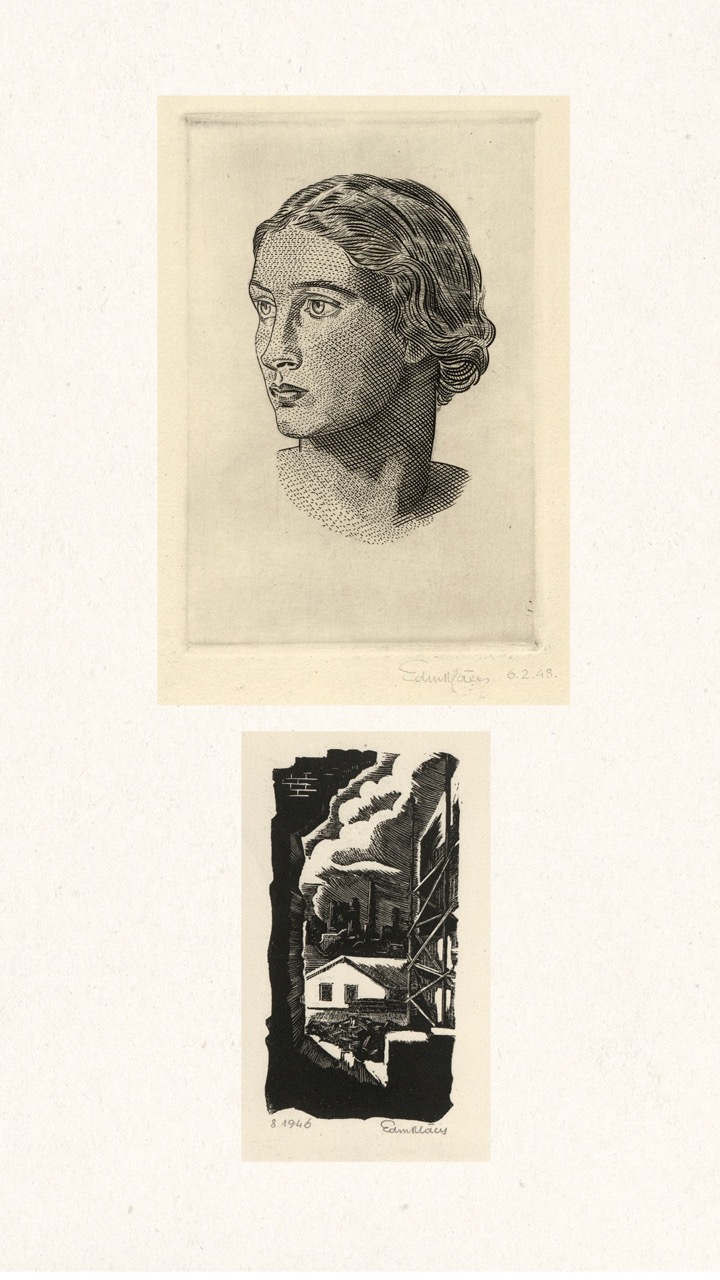
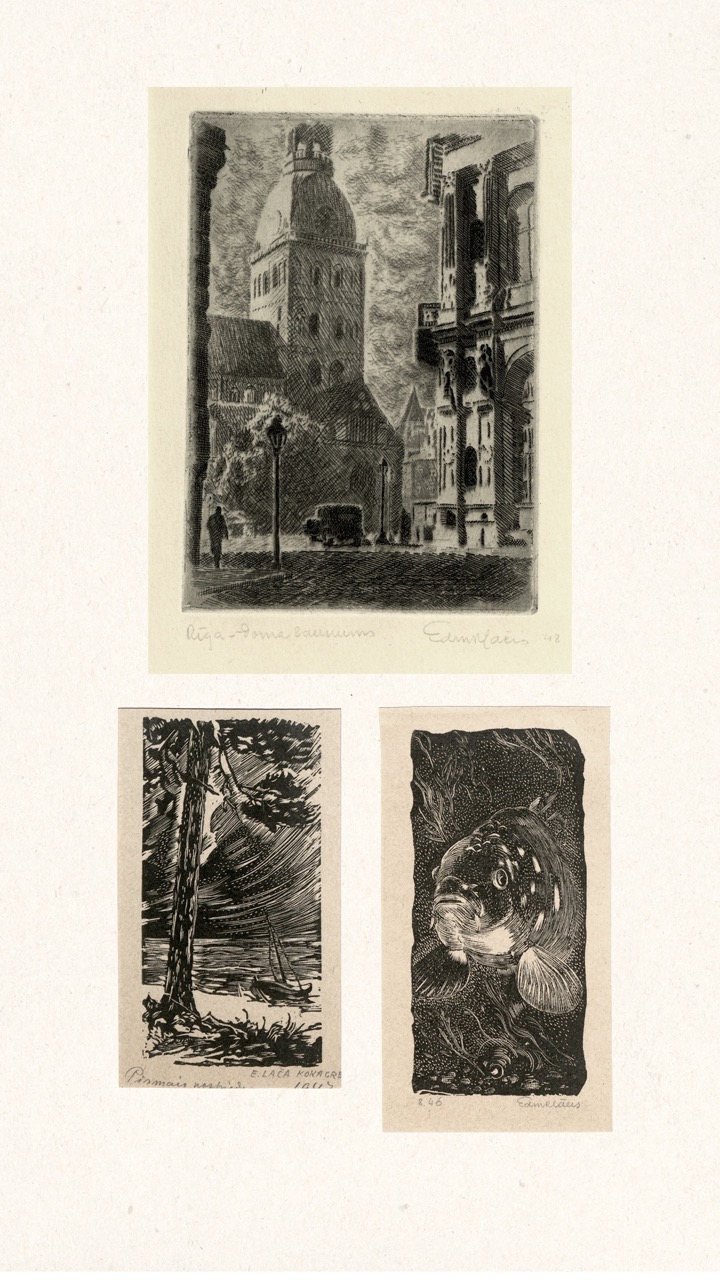
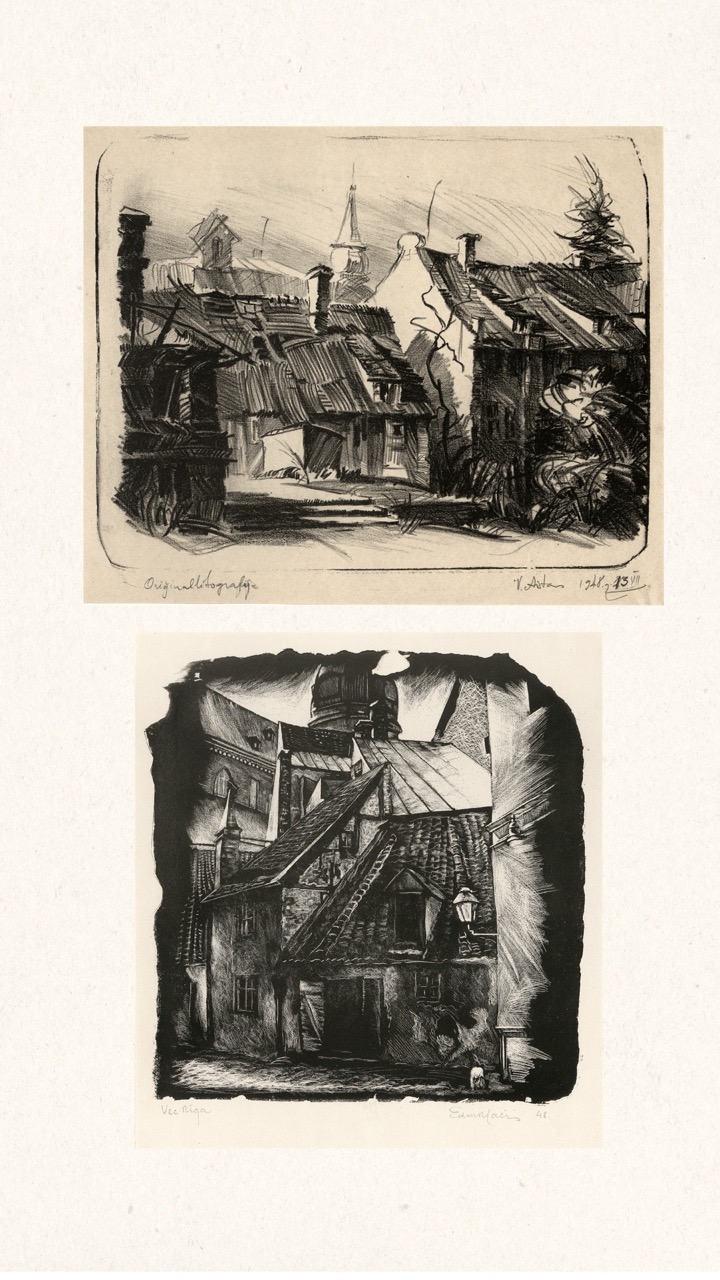
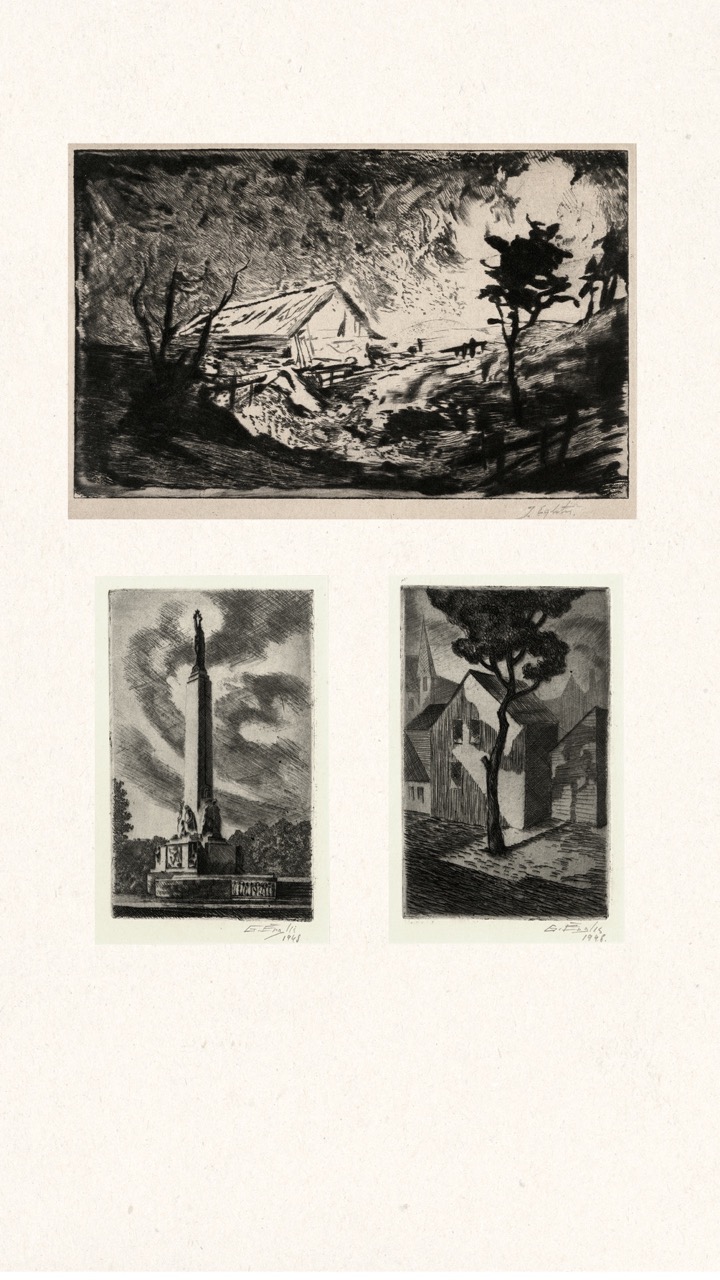
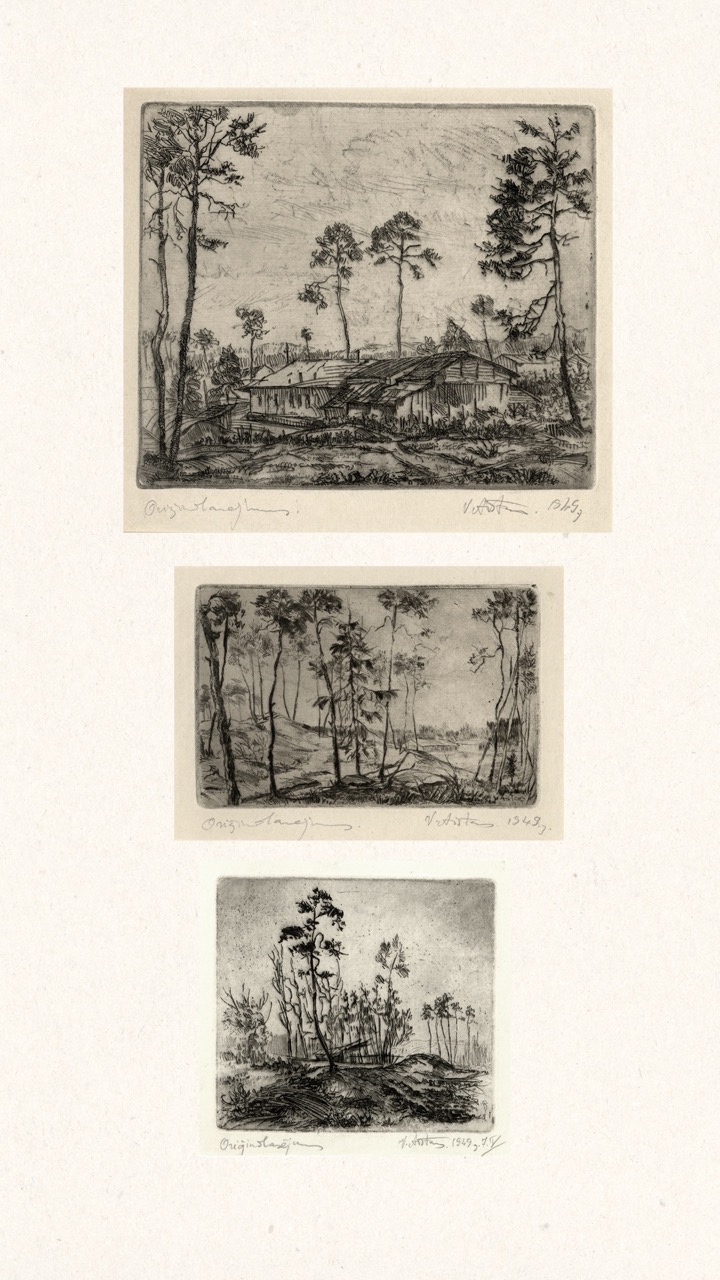
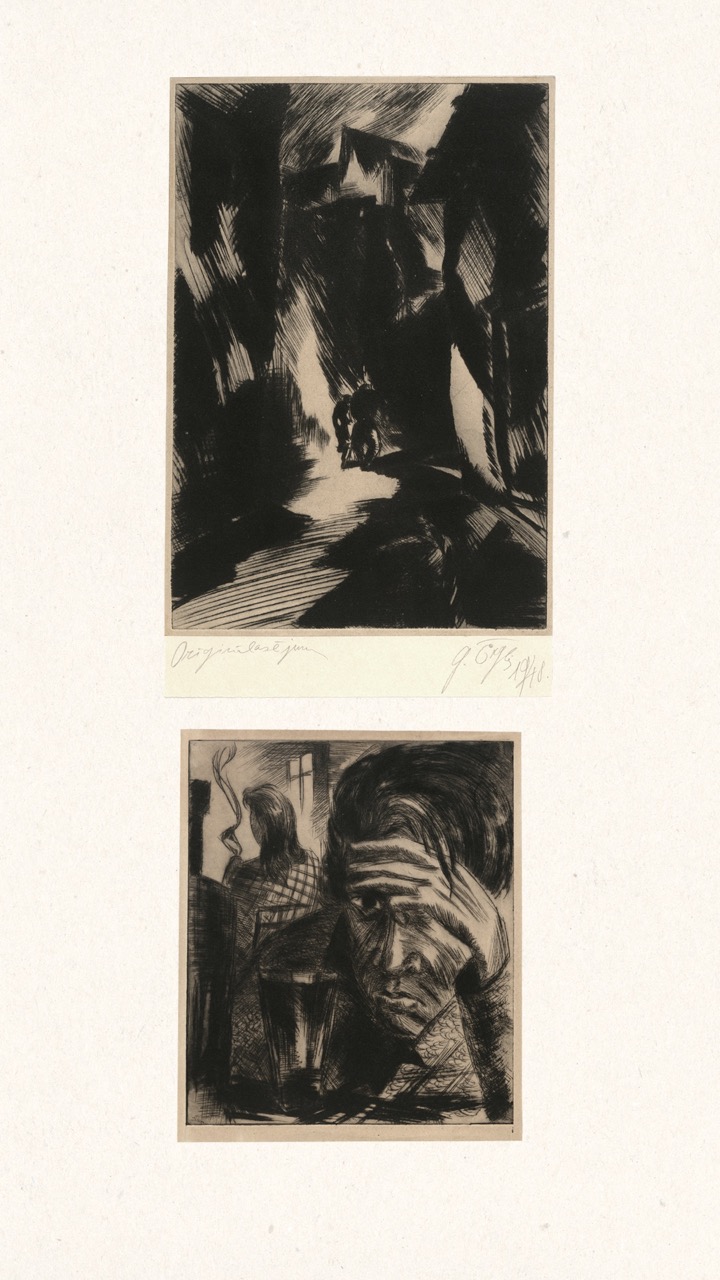
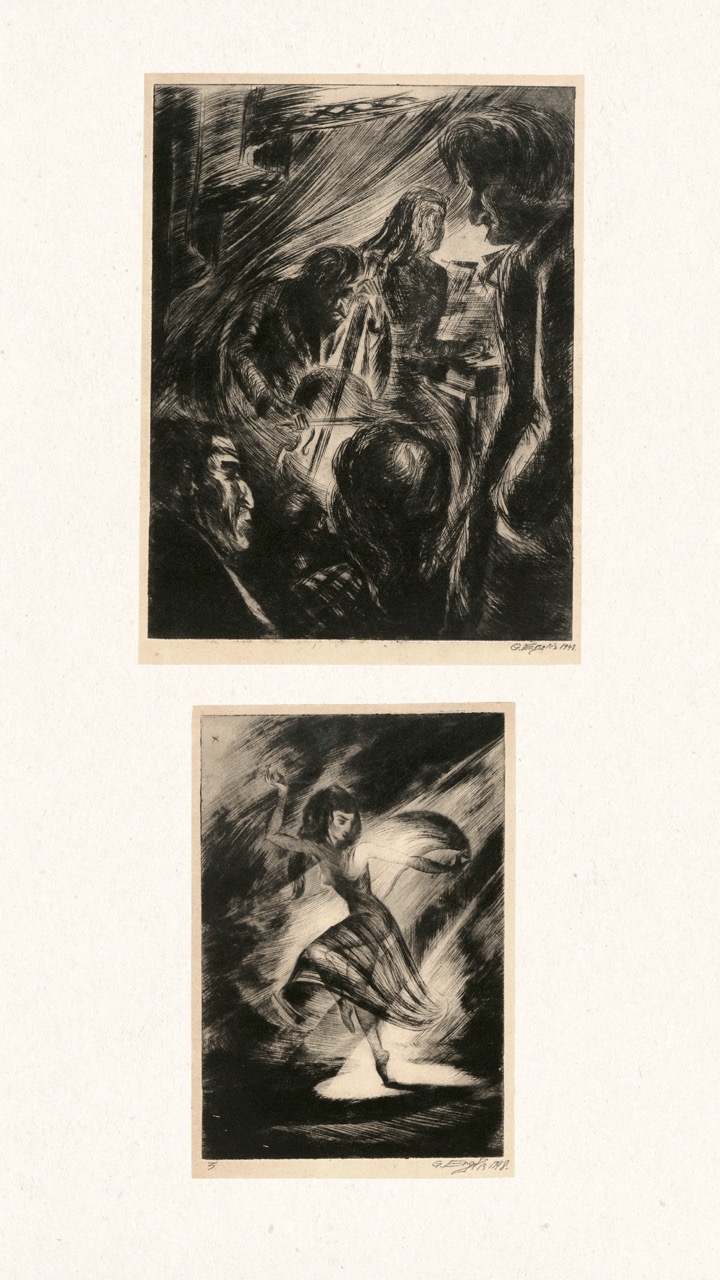
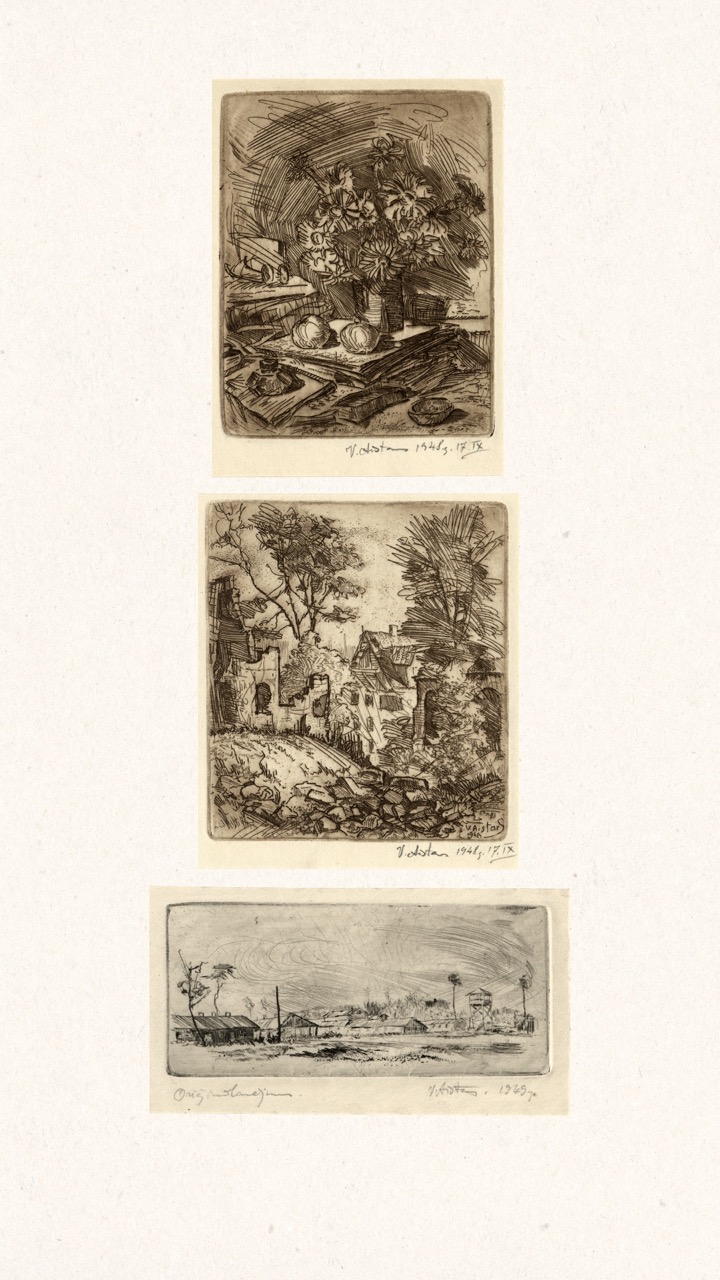
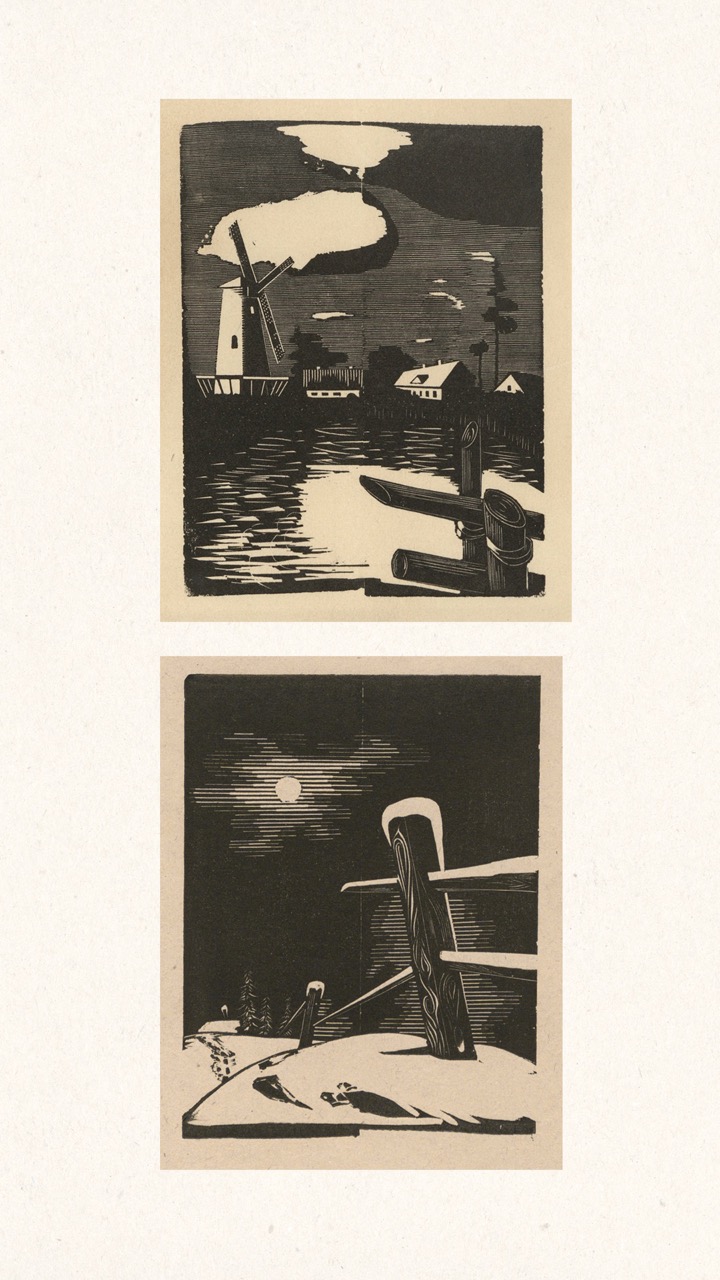
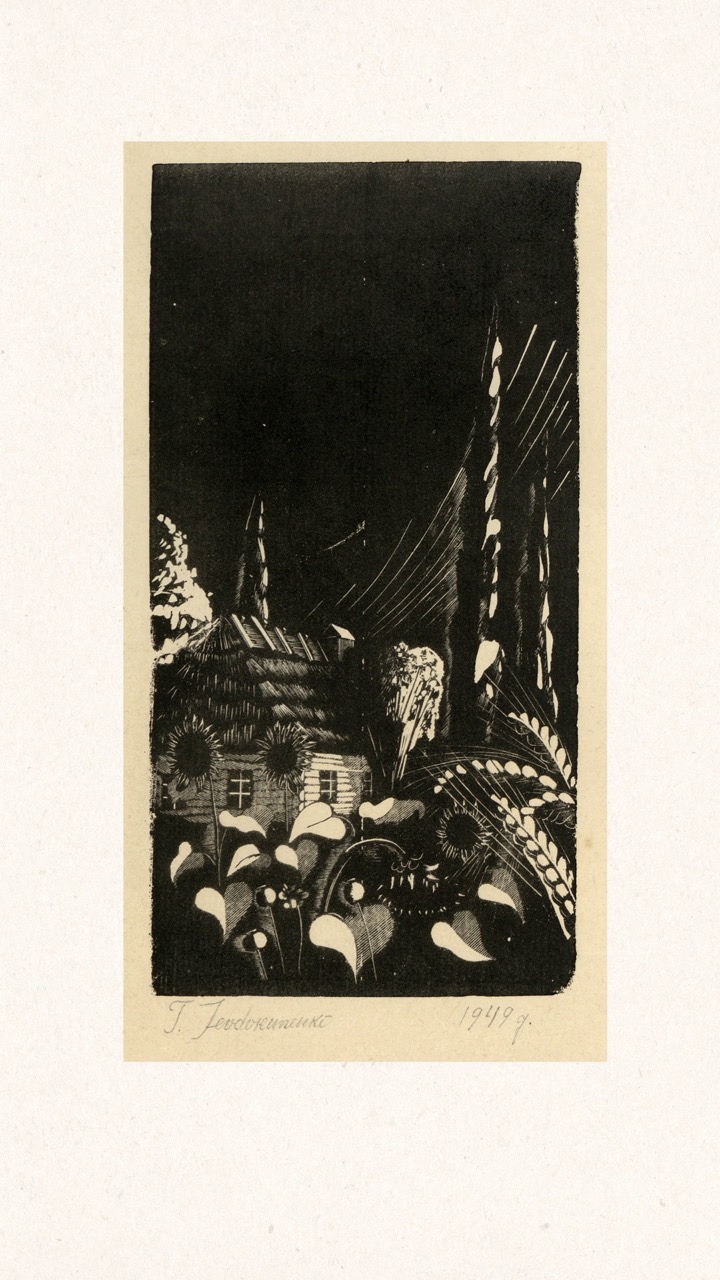
As World War II drew to a close, it became apparent that Latvia would soon fall under horrific Soviet rule. More than 180,000 refugees fled from Latvia, the majority to Germany. Beginning in mid-1945, they were temporarily resettled in one of more than 300 refugee camps organized by UNRRA (the United Nations Relief and Rehabilitation Administration). 1,500 Latvians, along with other refugees, were resettled at the Fischbach bei Nürnberg Refugee Camp in the American zone.
The Latvian refugees understood that education would be very important, not just basic primary and secondary education, but practical training – for all ages – including foreign language classes and vocational training. With limited space available, some classes were even held outdoors, under the pine trees.
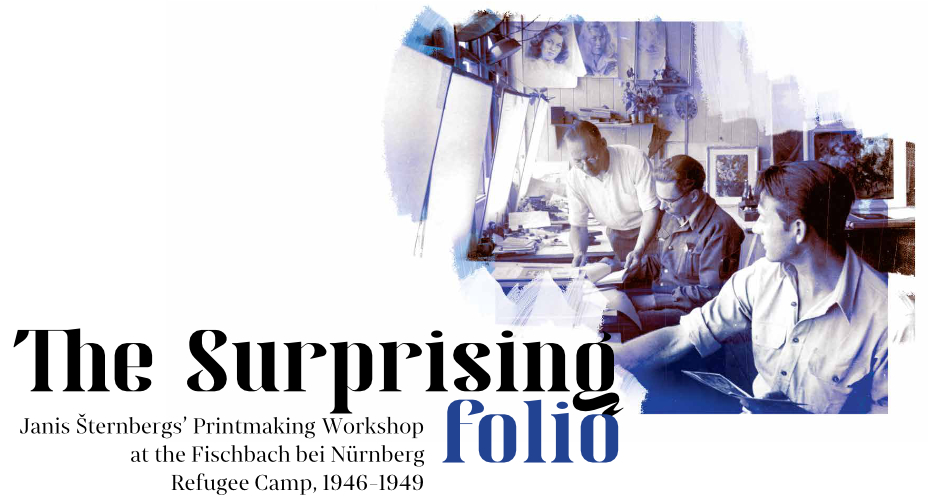
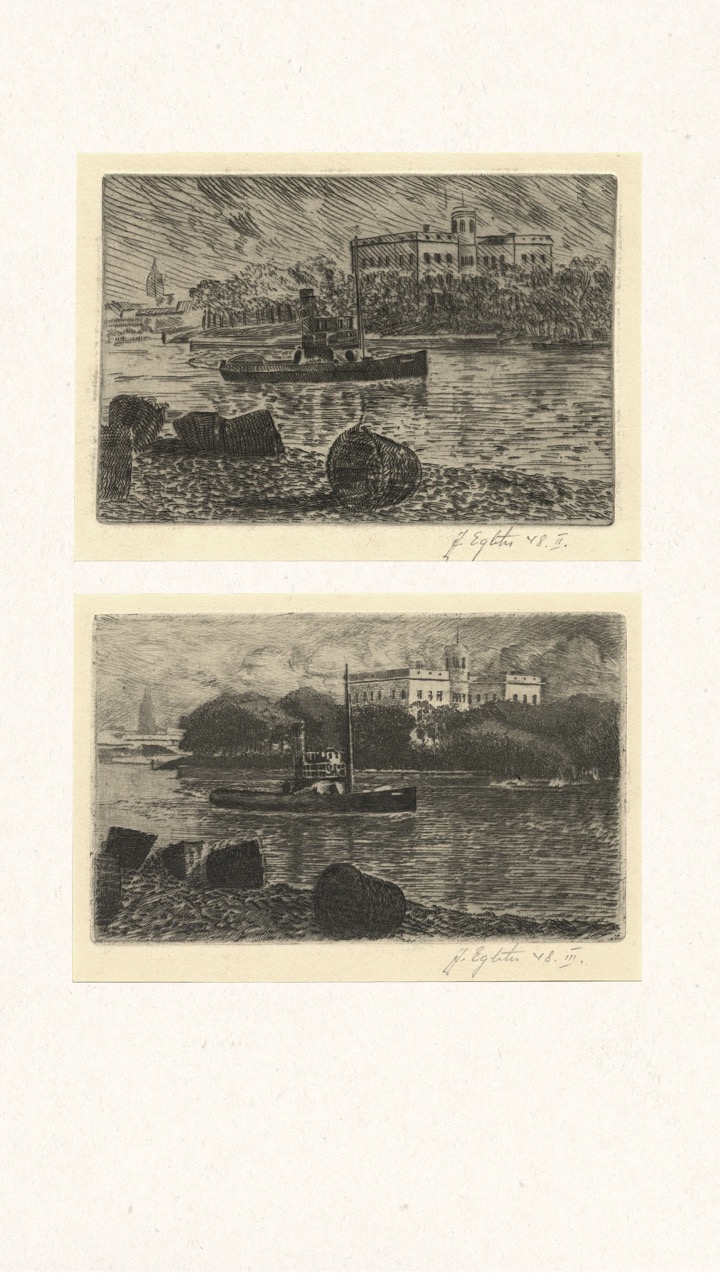
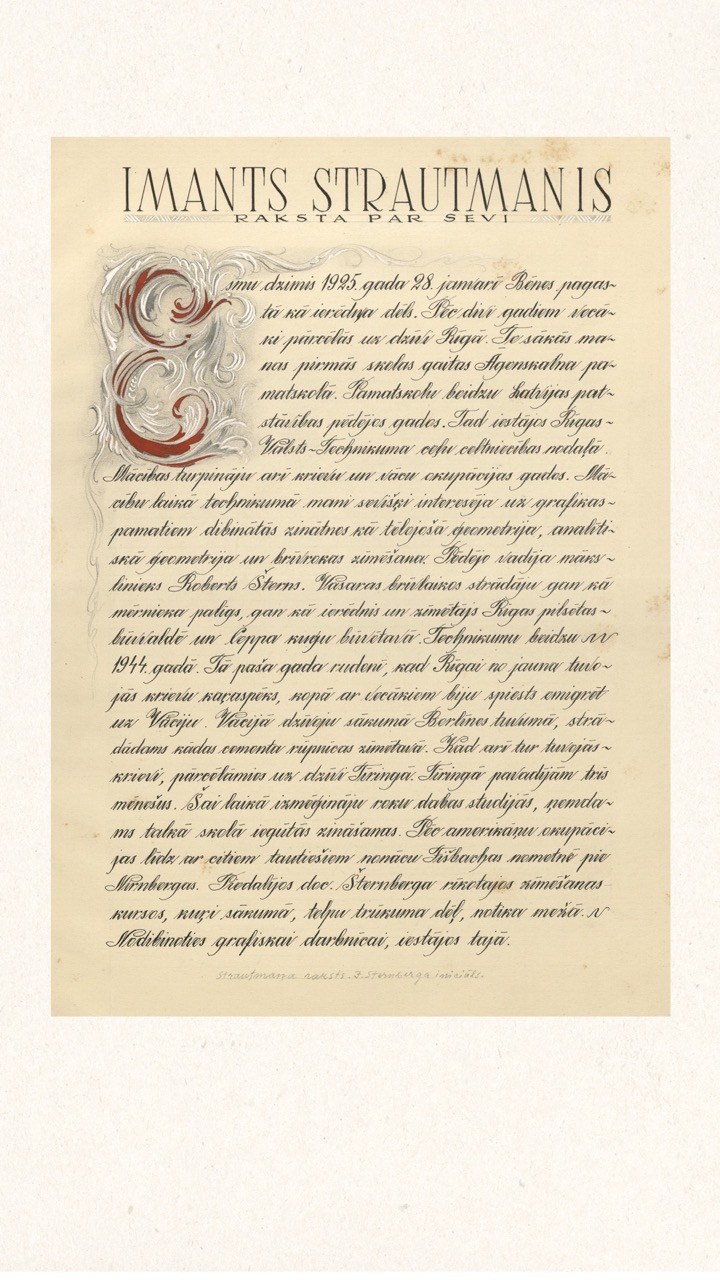
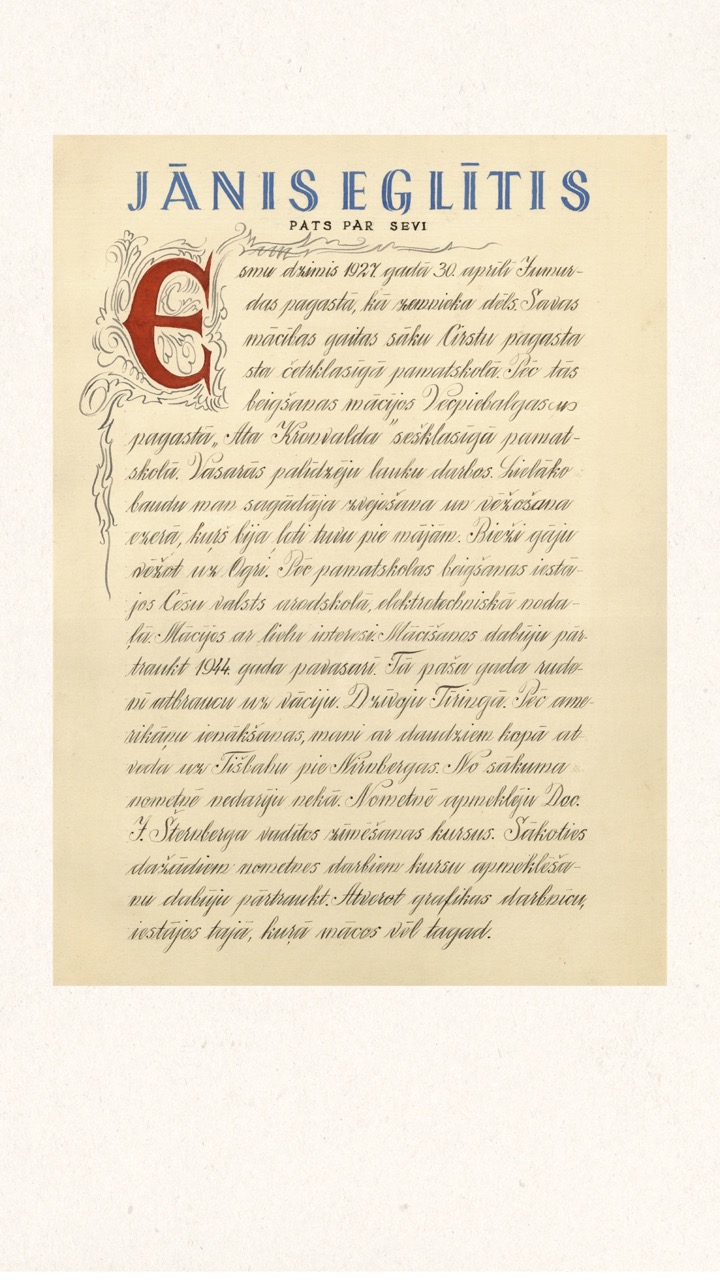
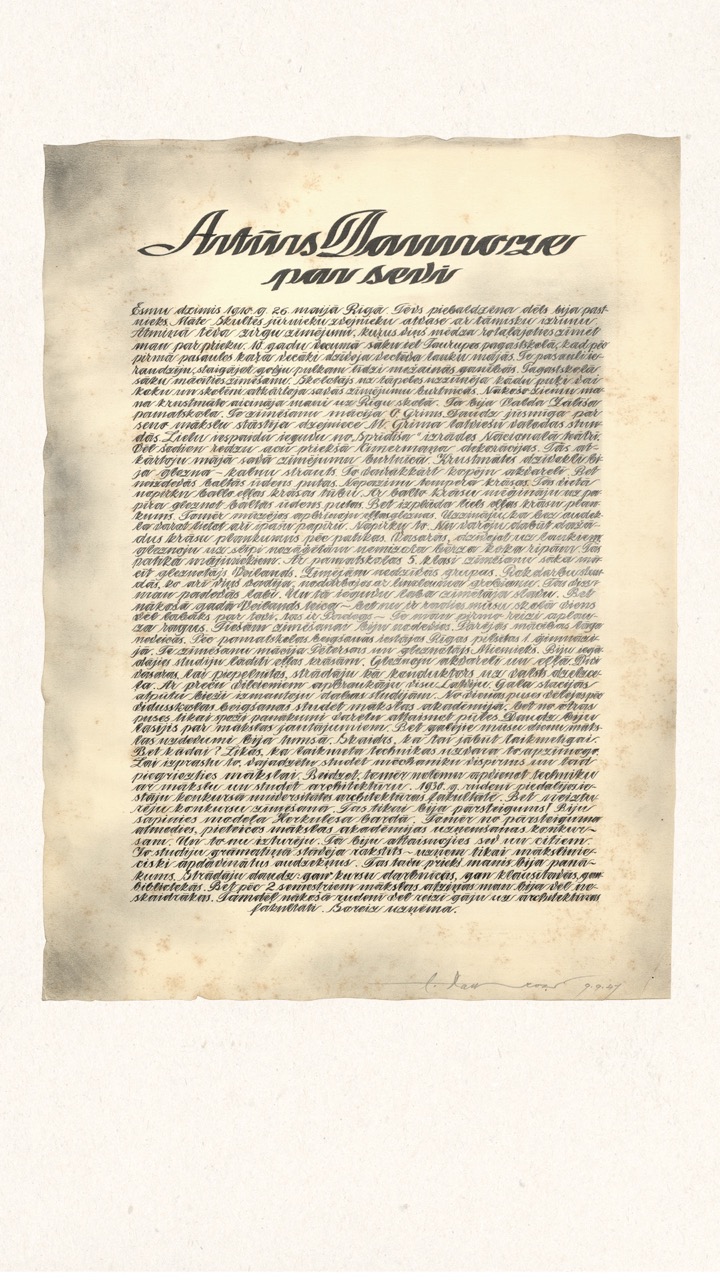
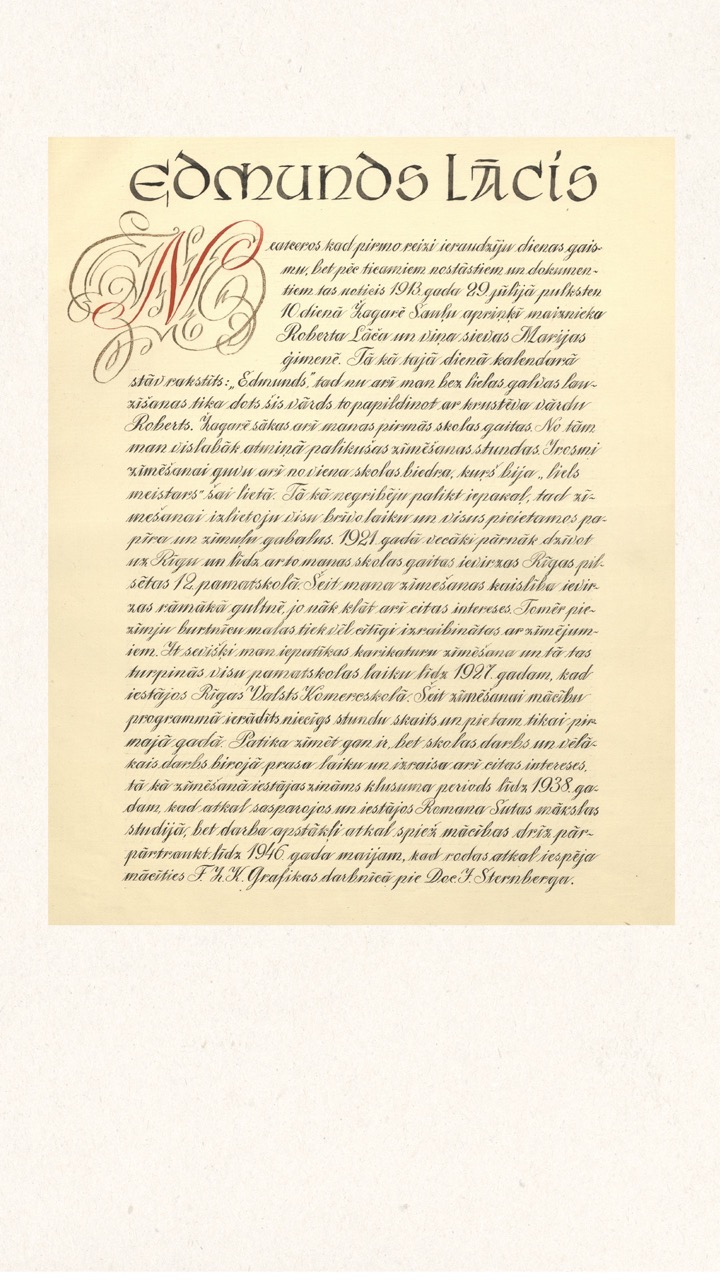
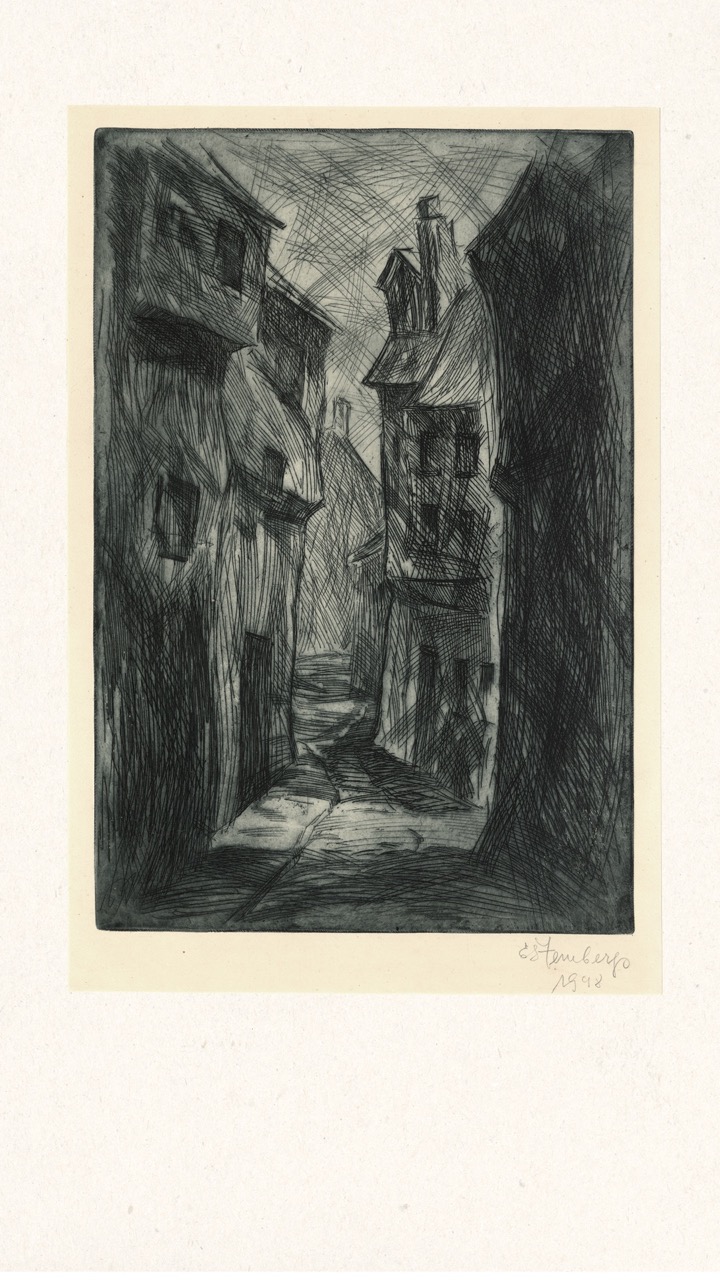
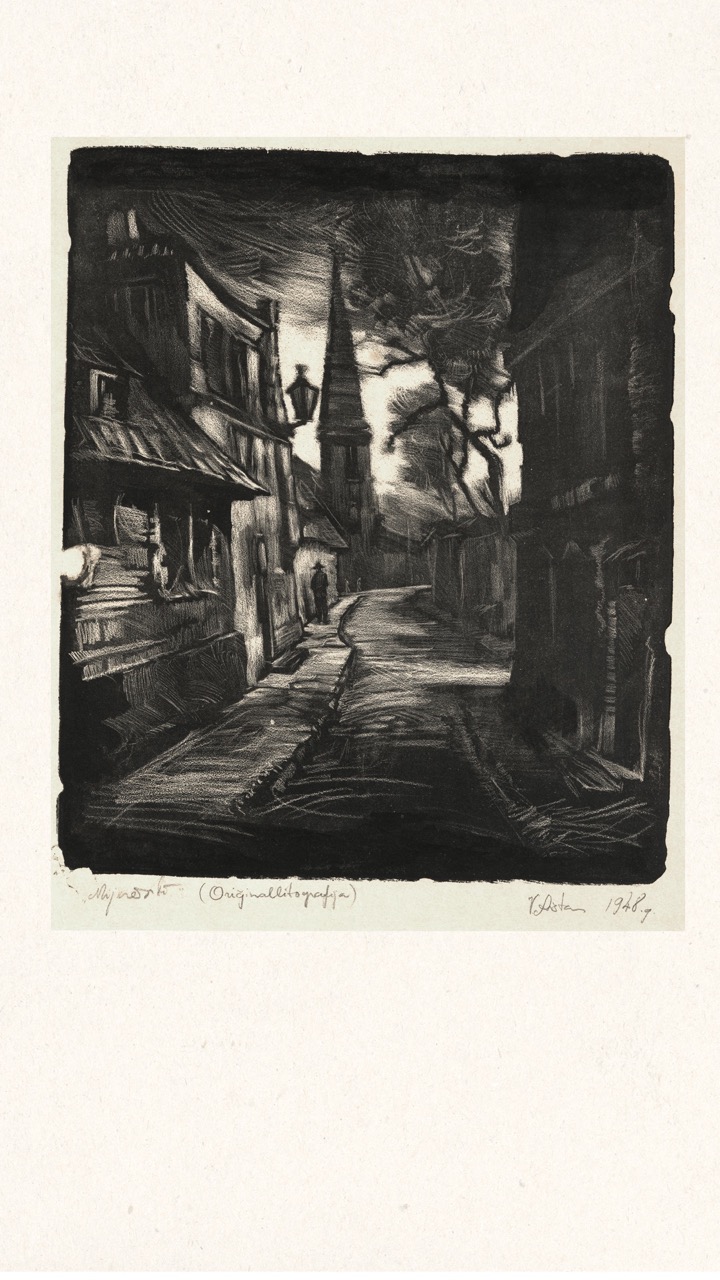
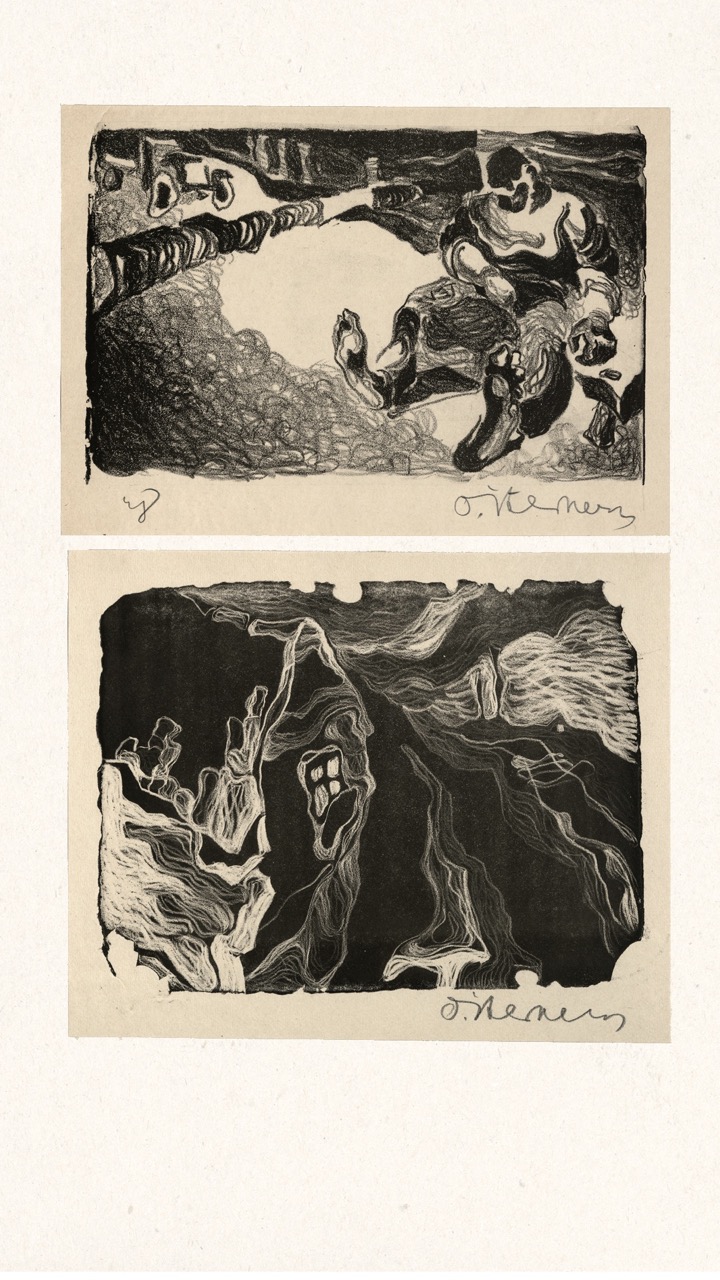
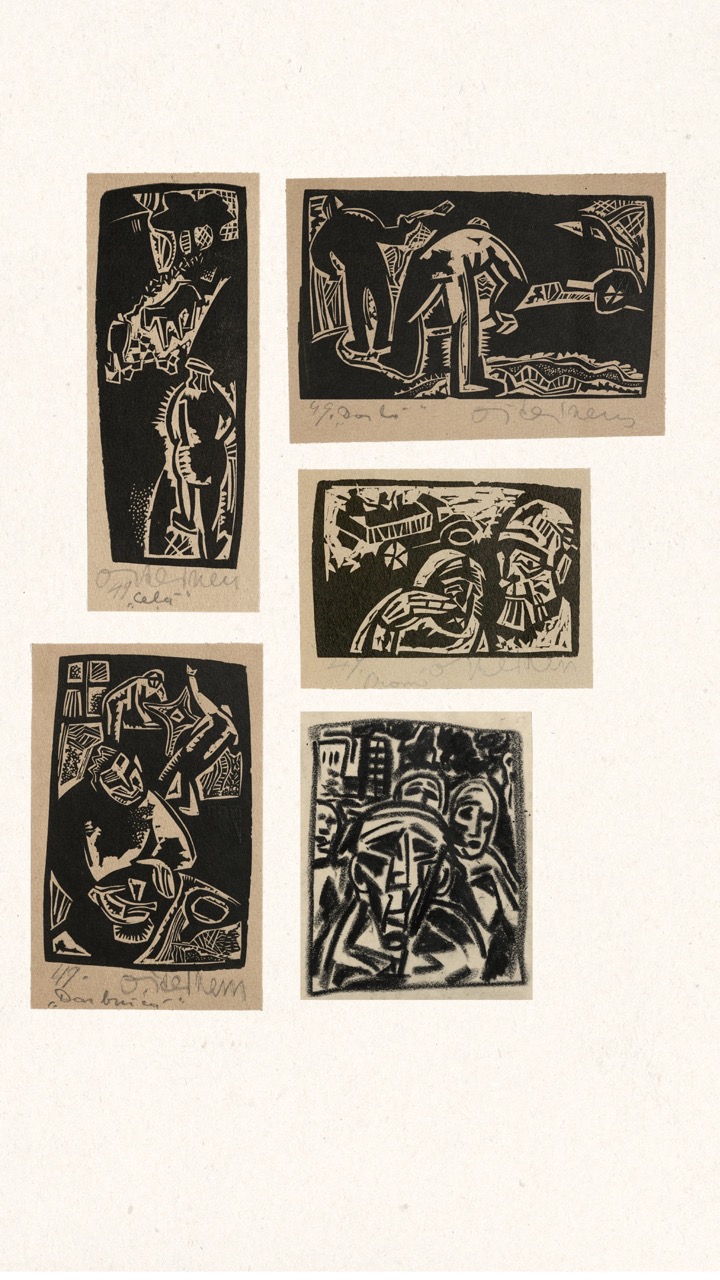
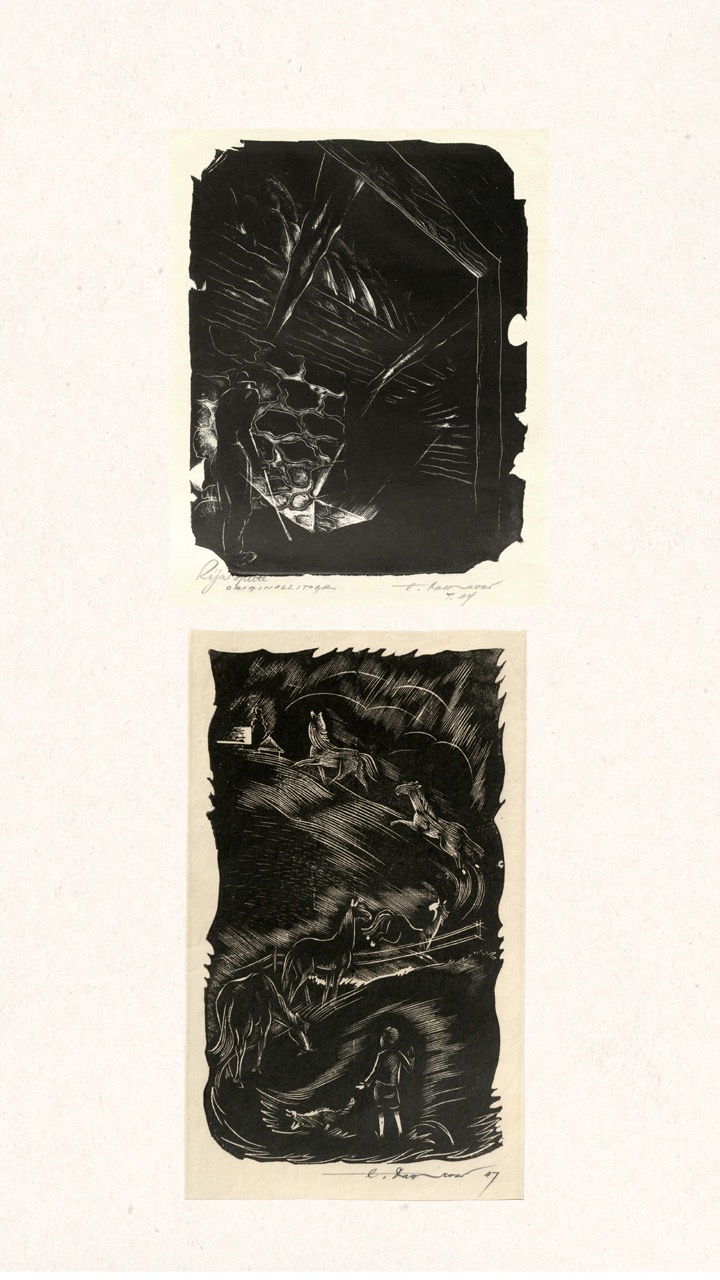
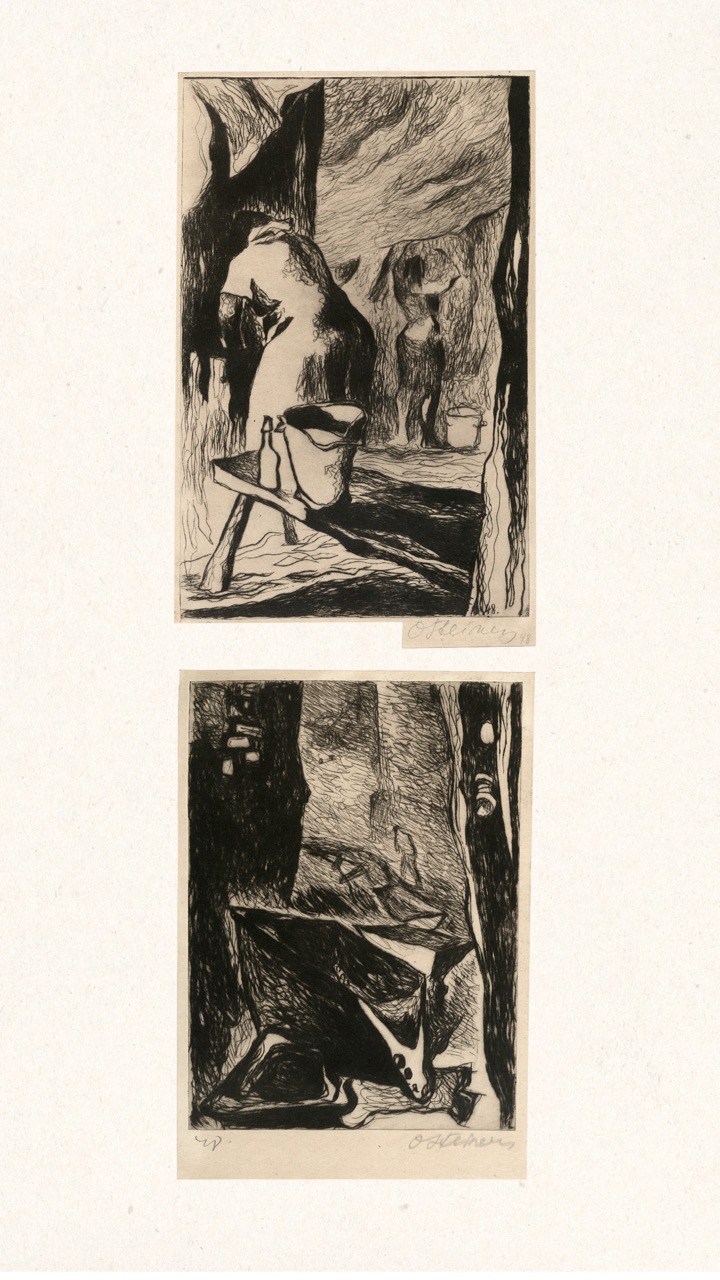
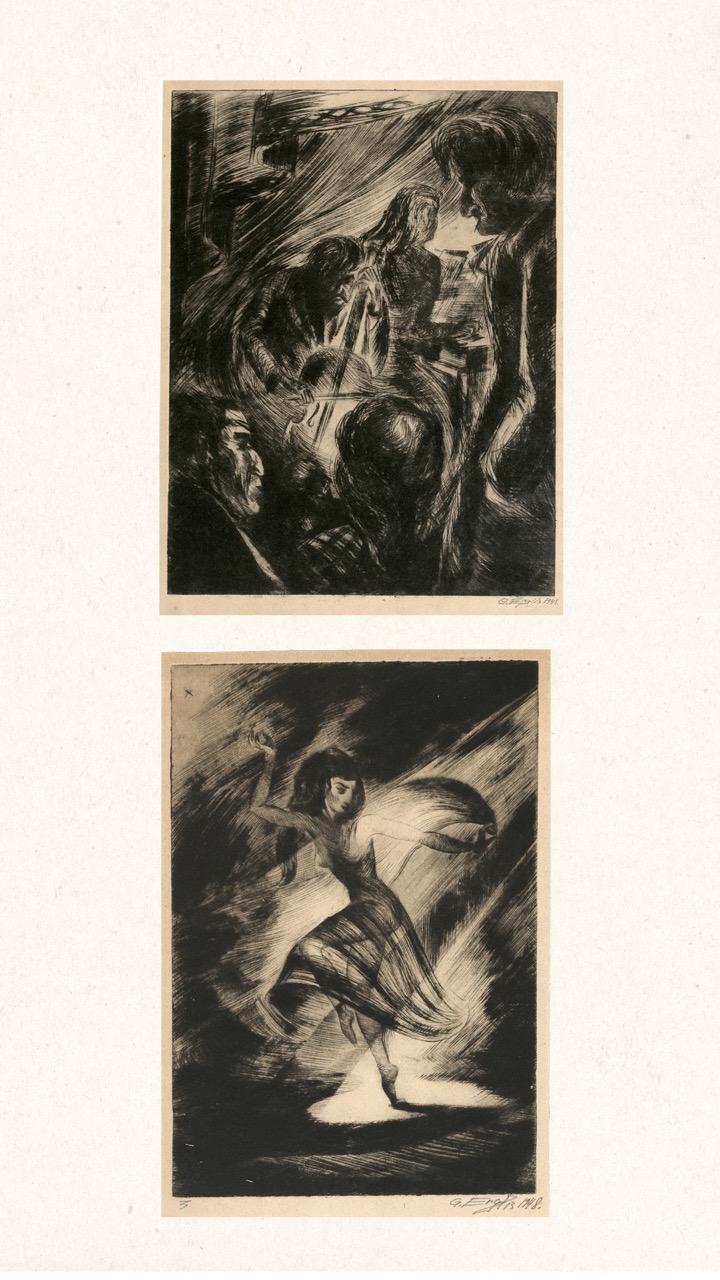
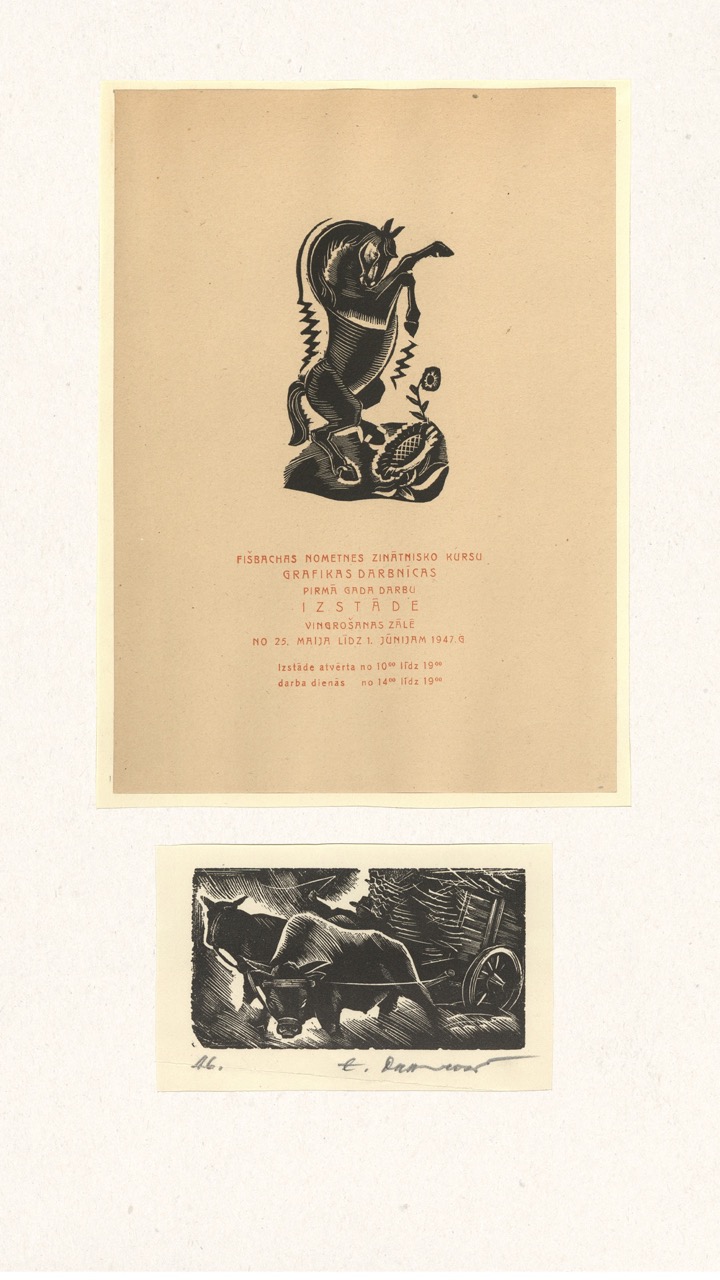
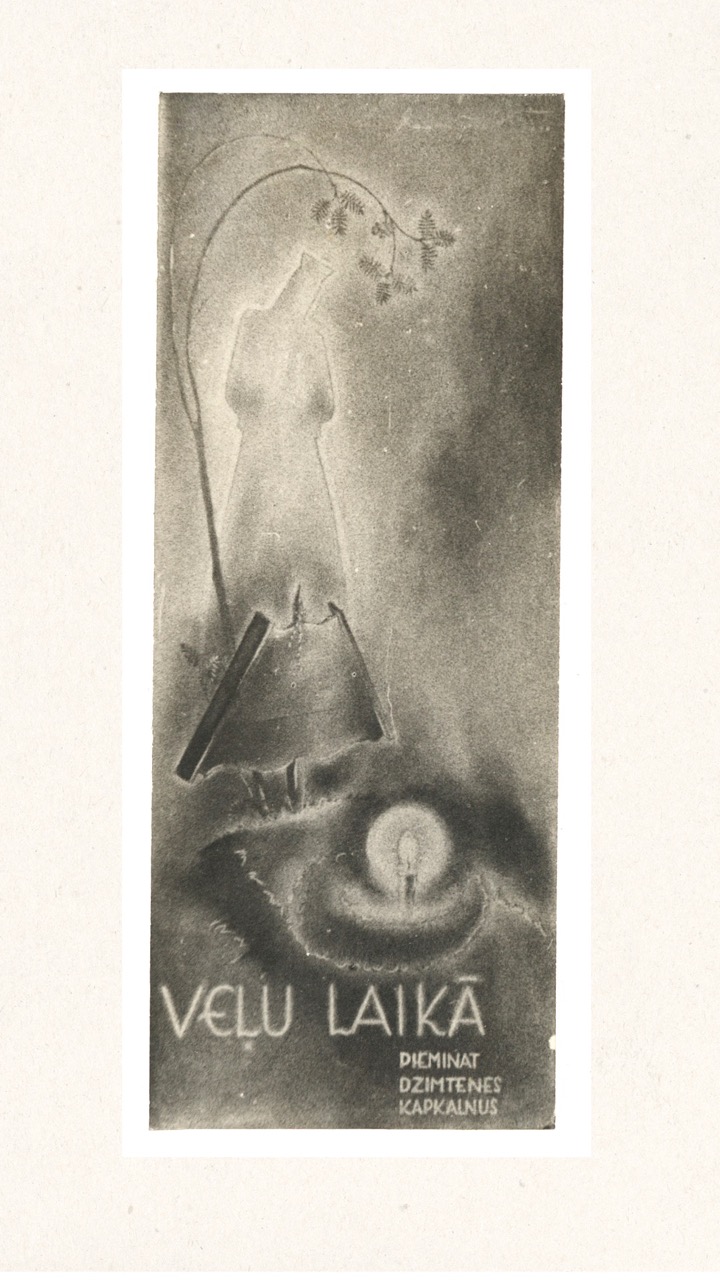
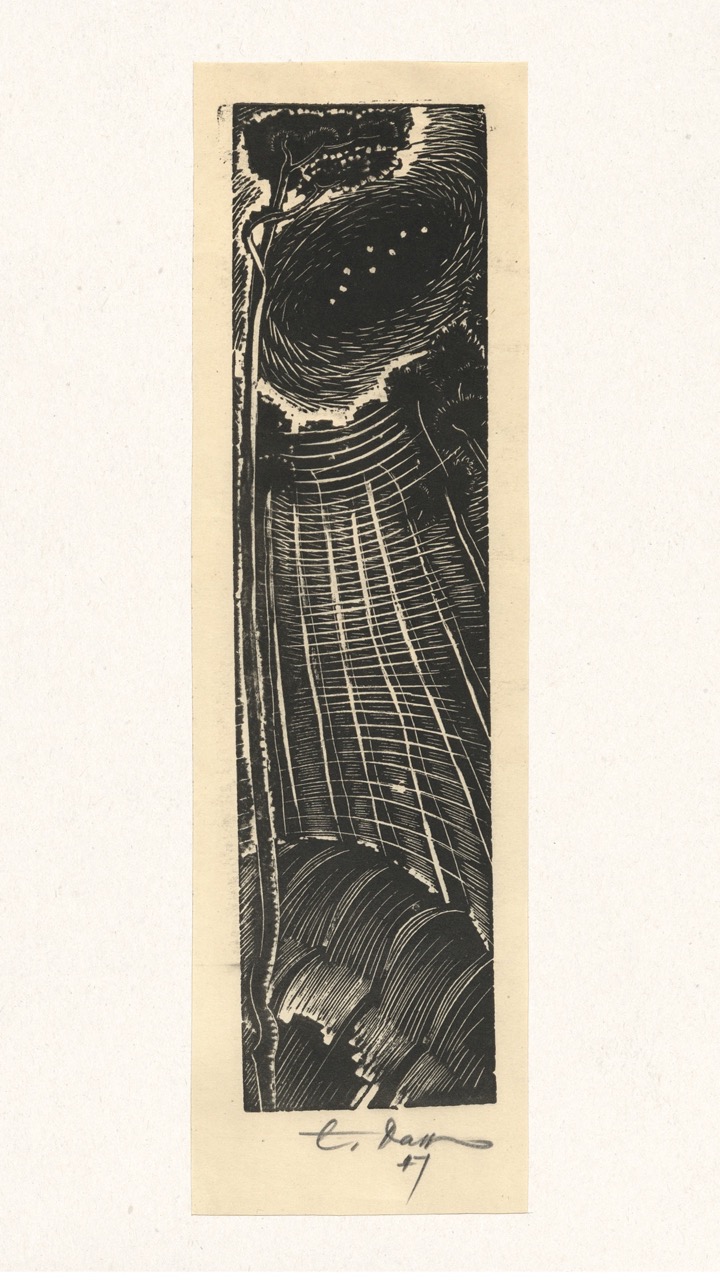
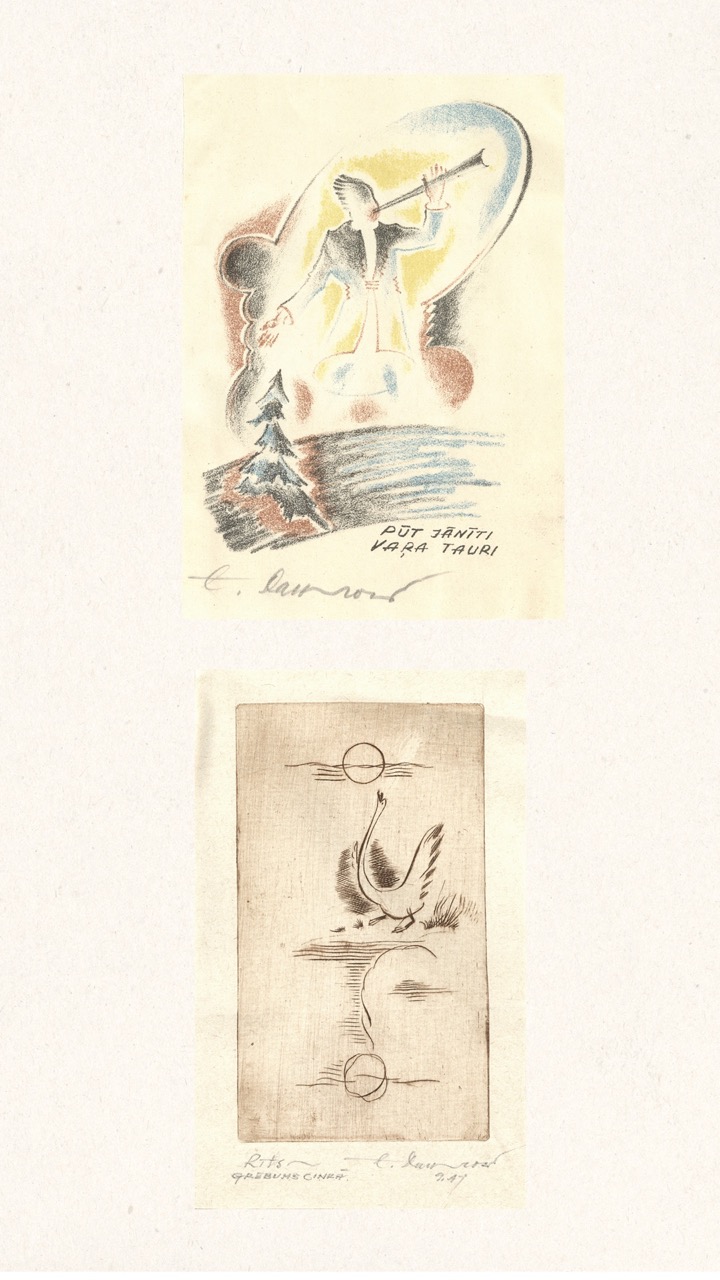
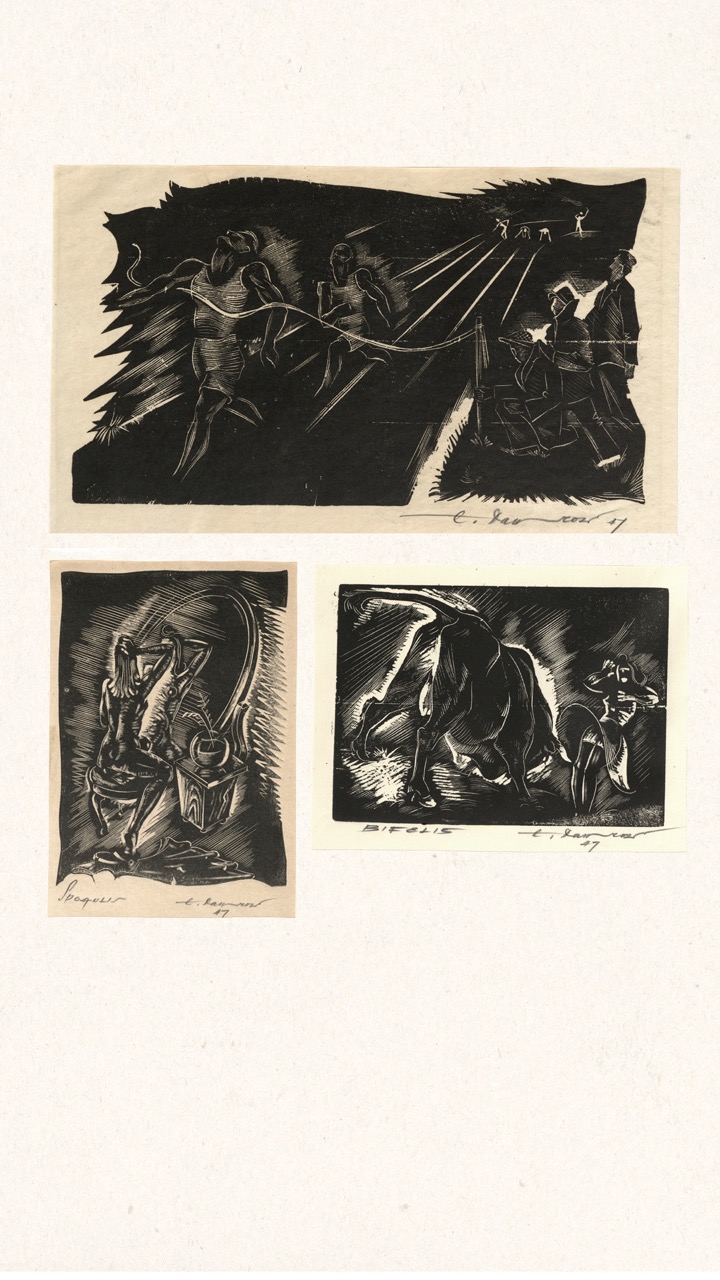
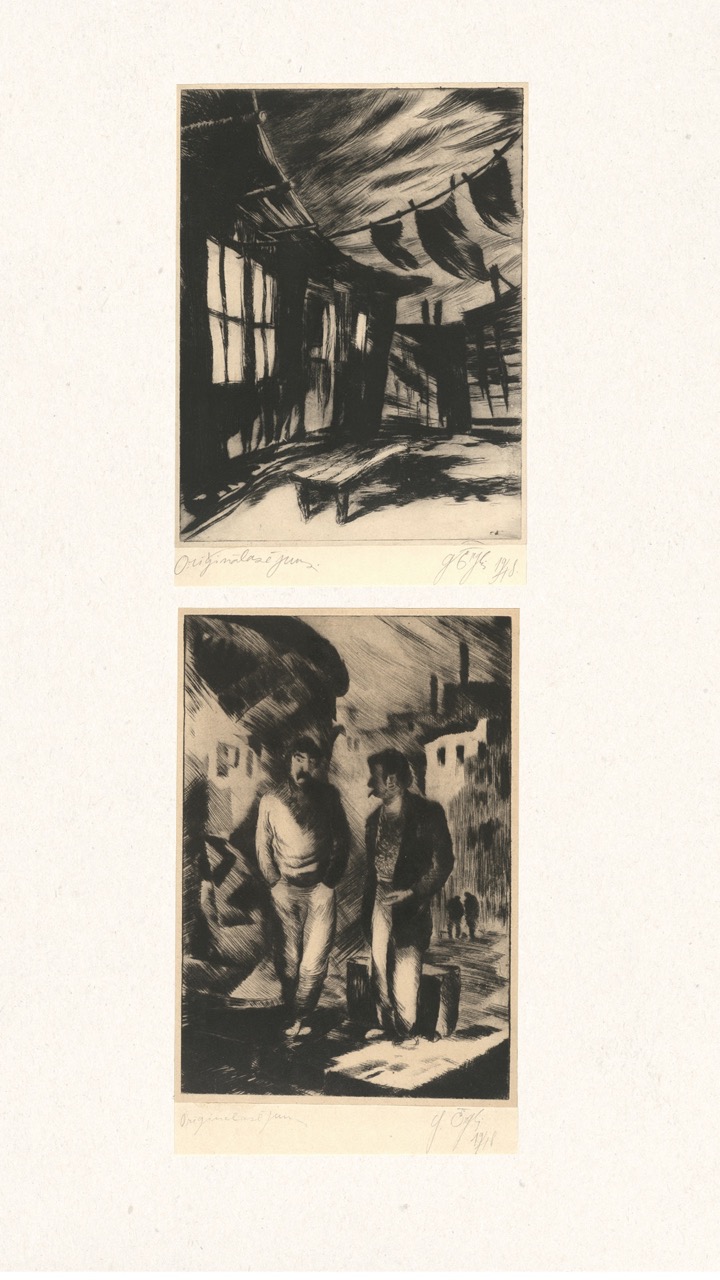
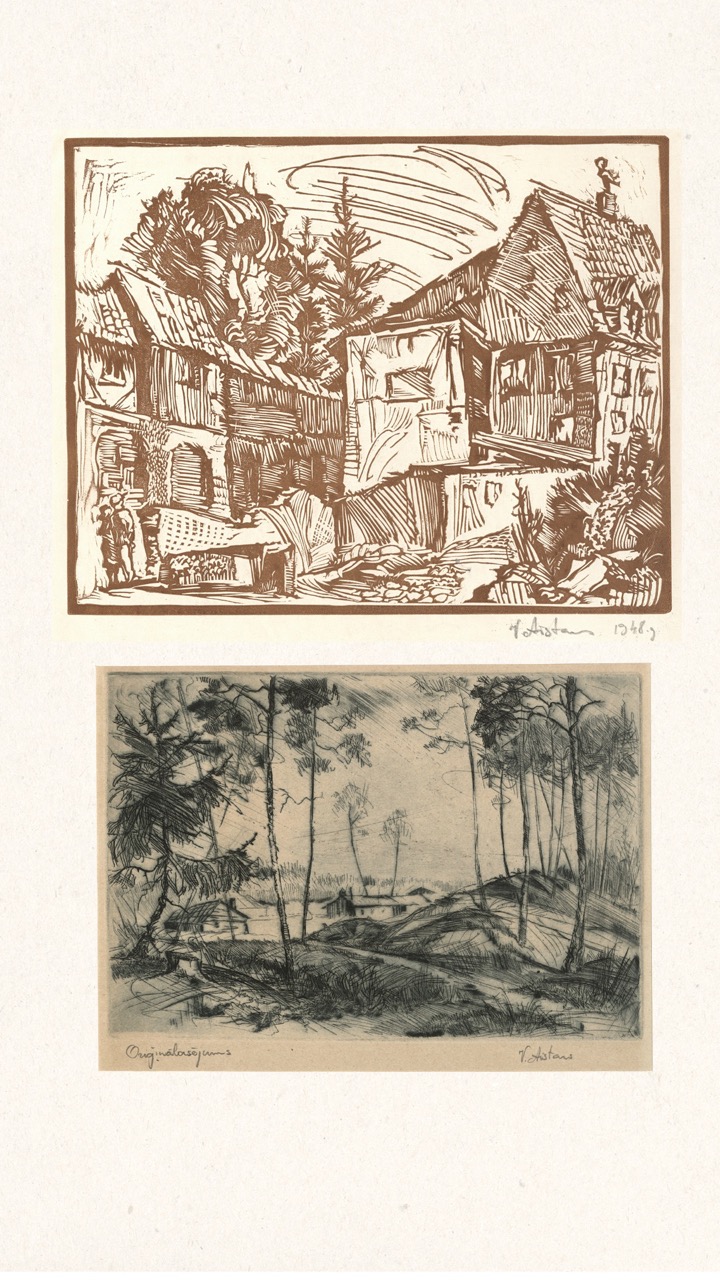
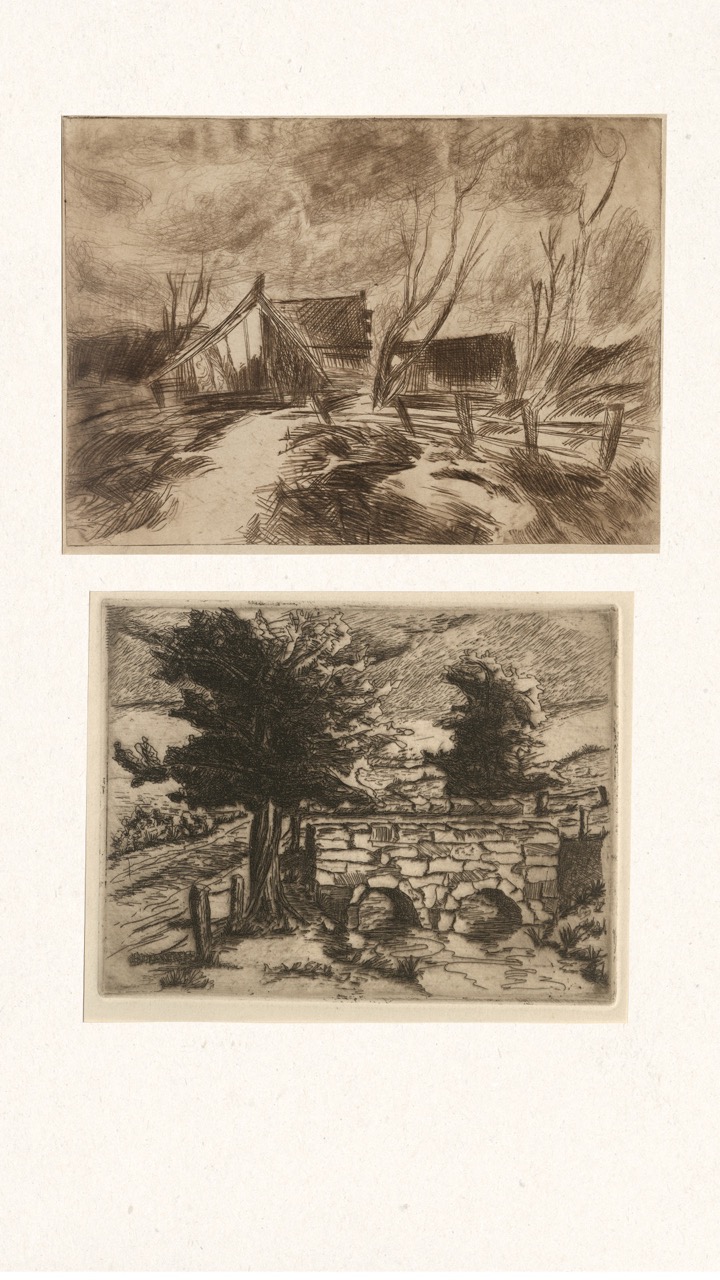
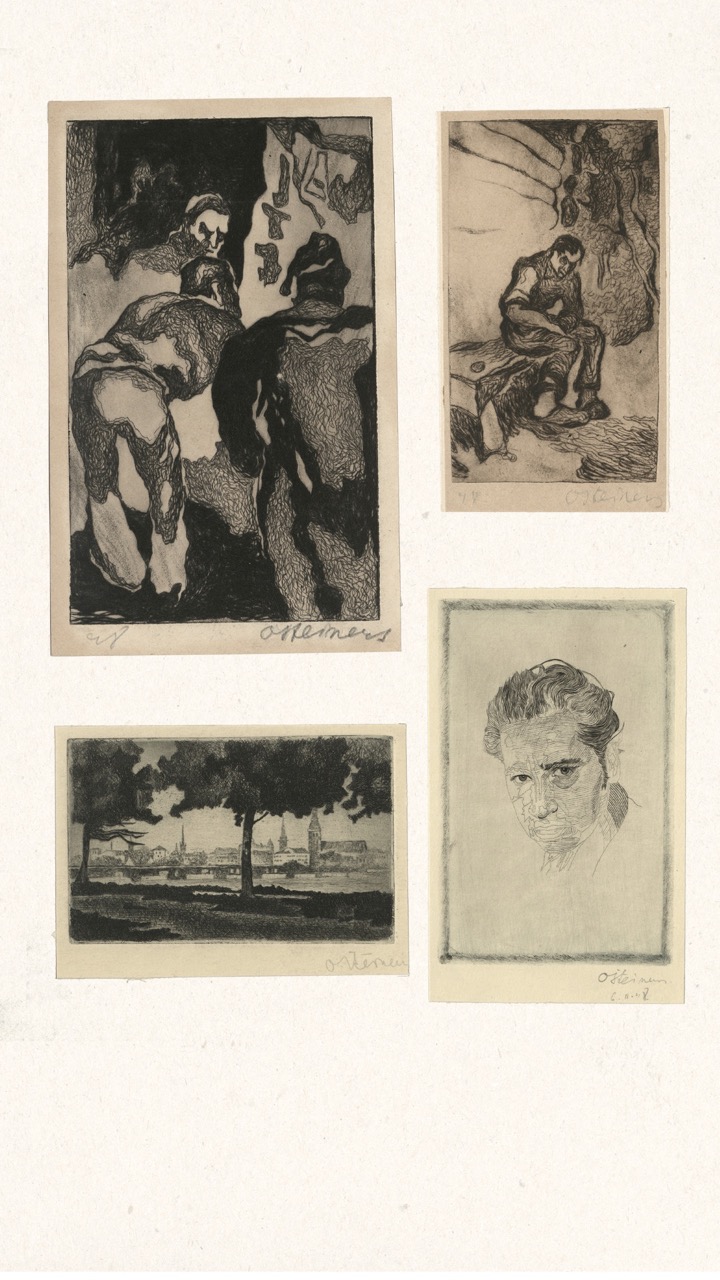
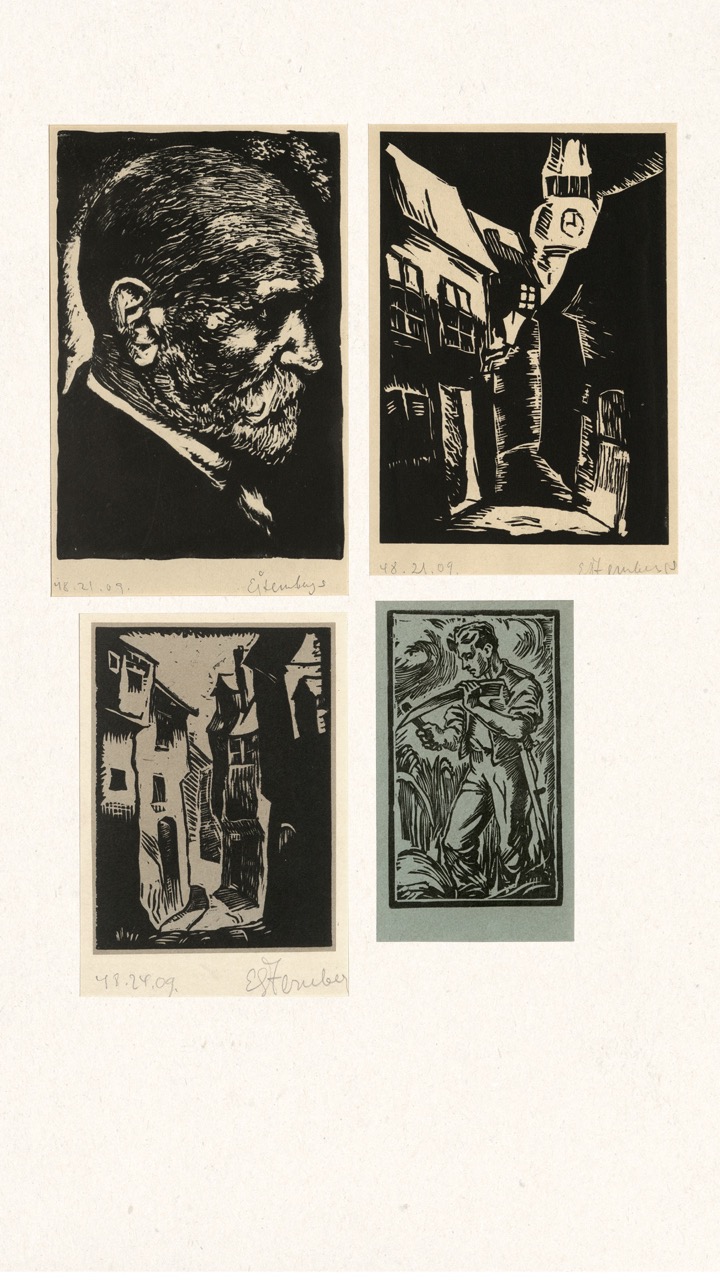
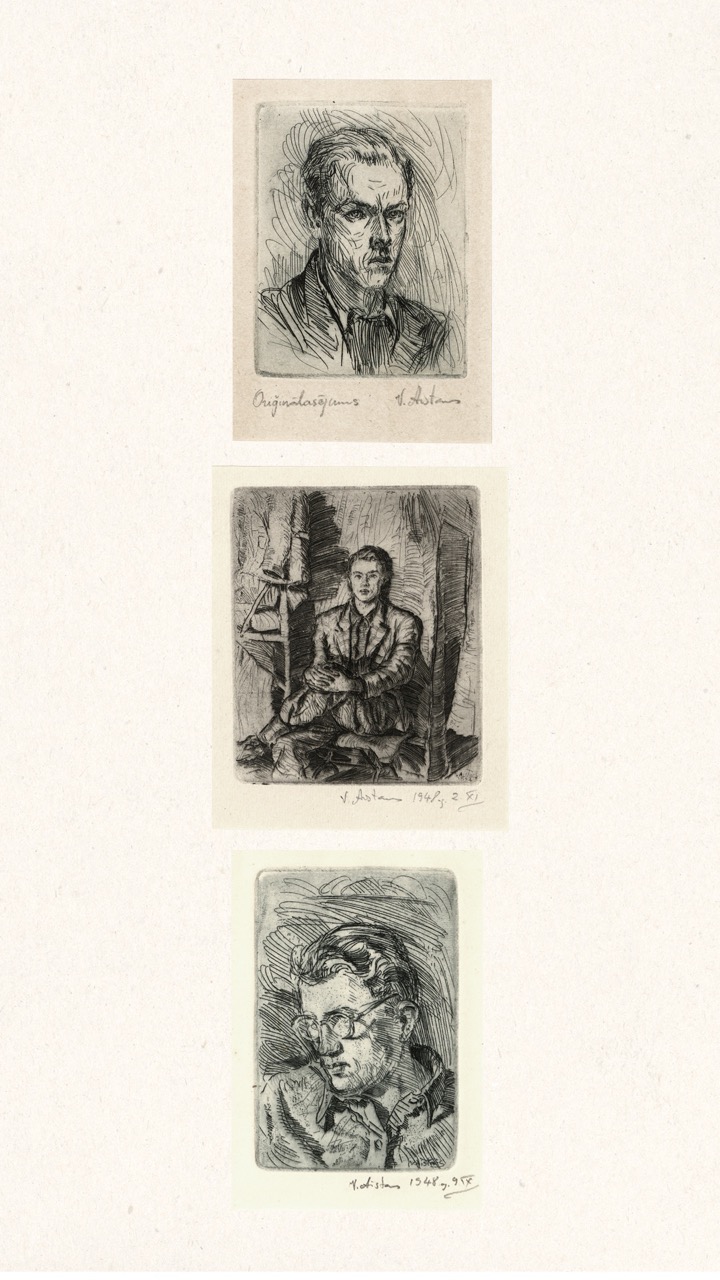
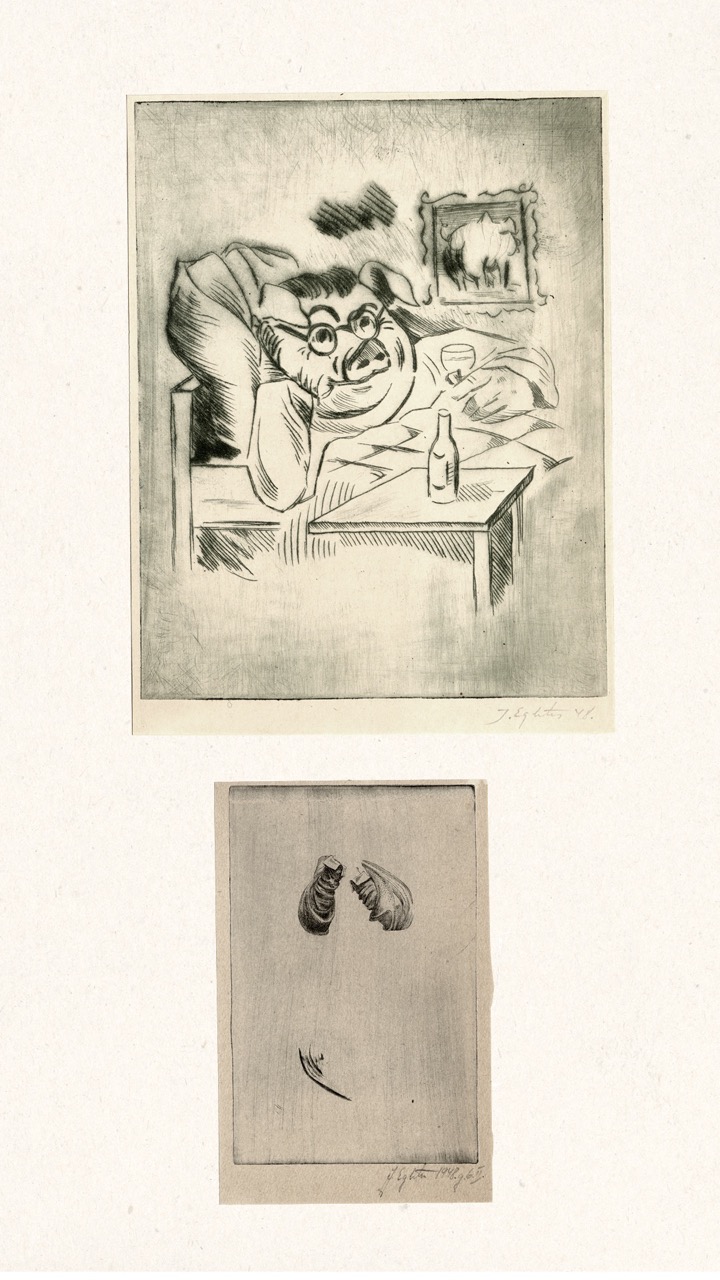
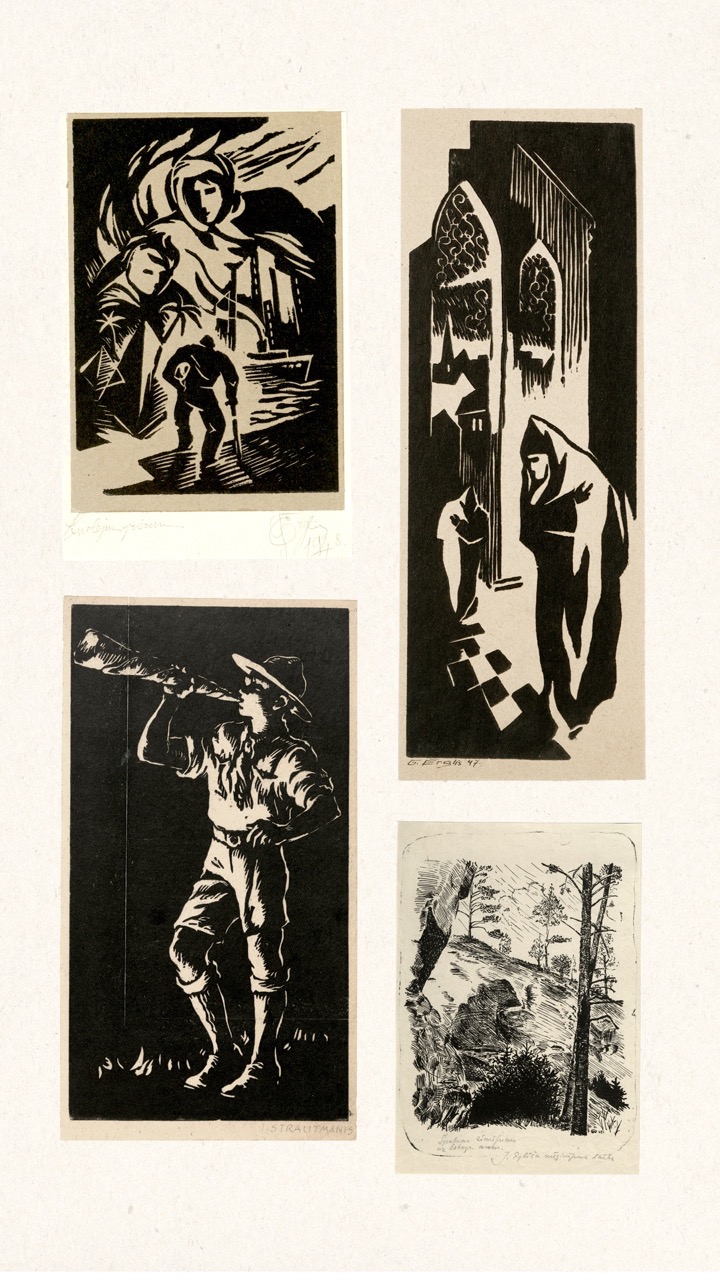
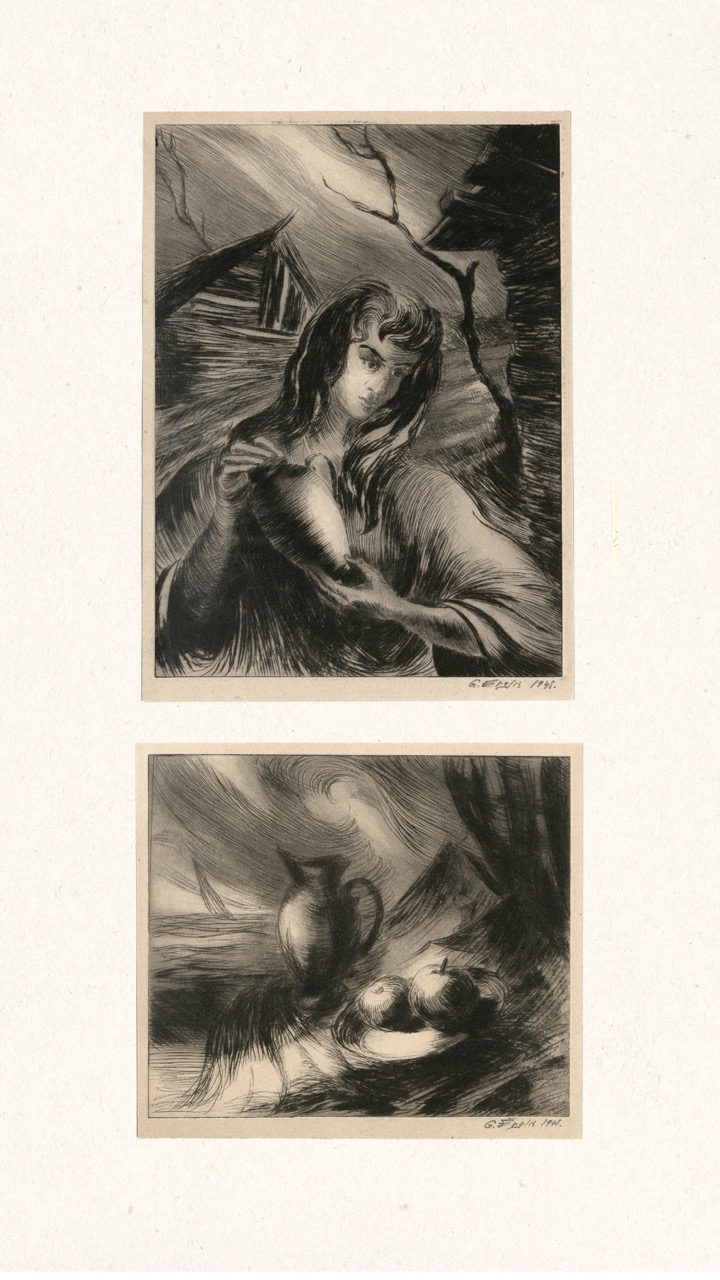
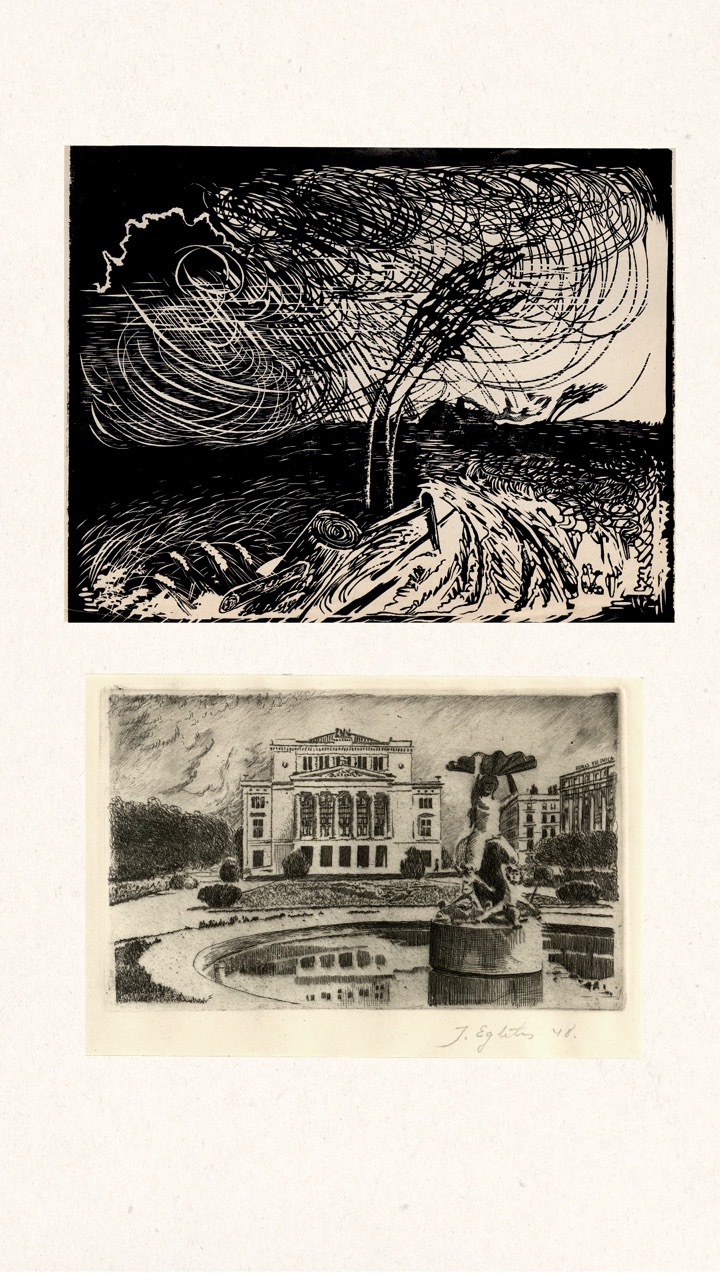
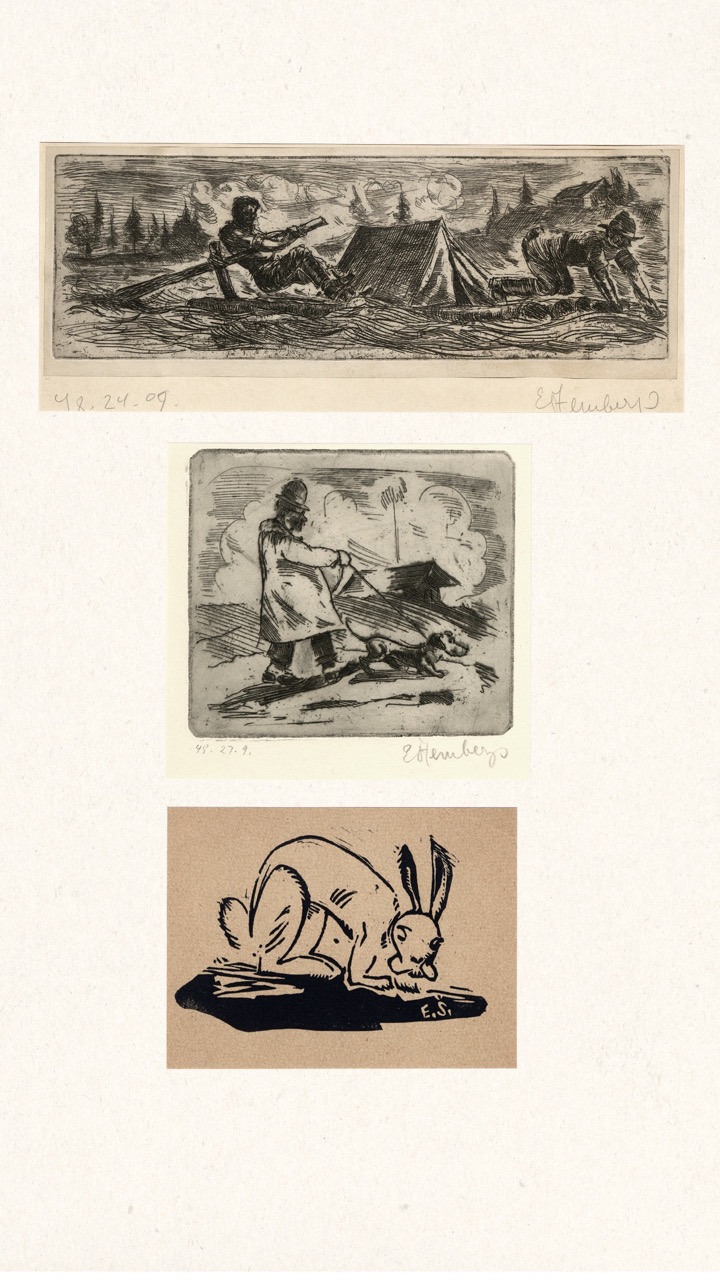
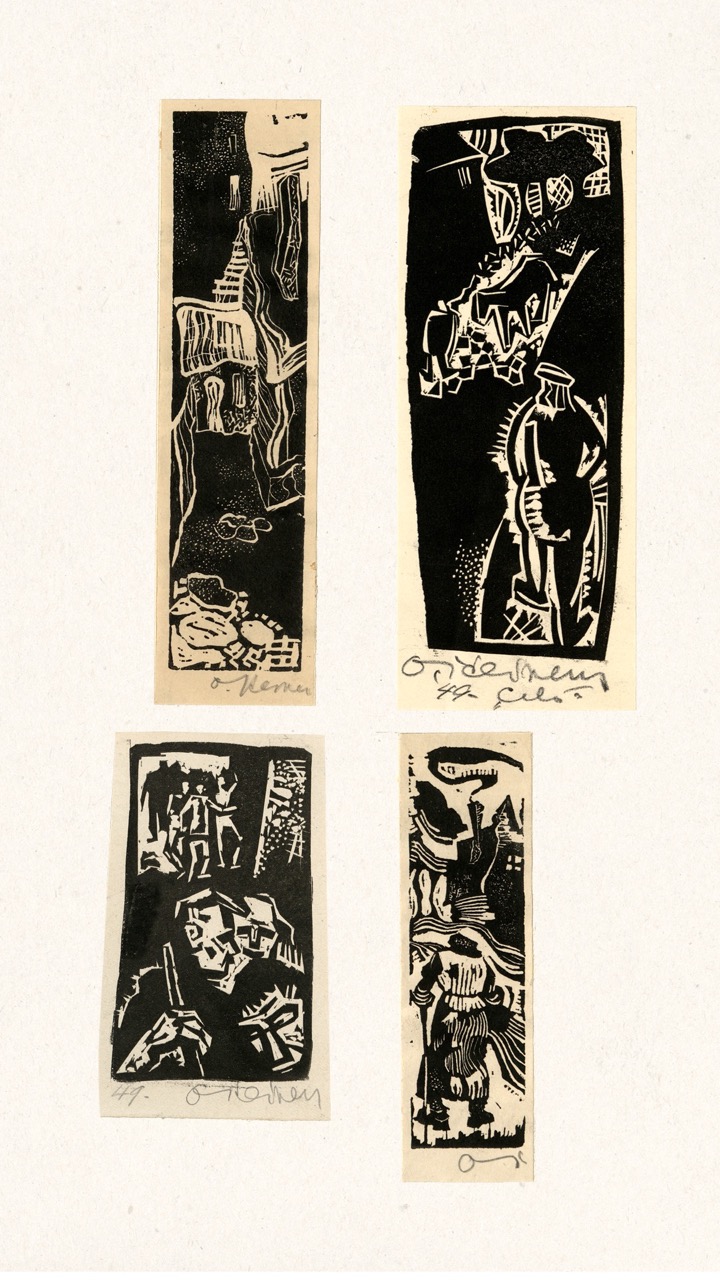
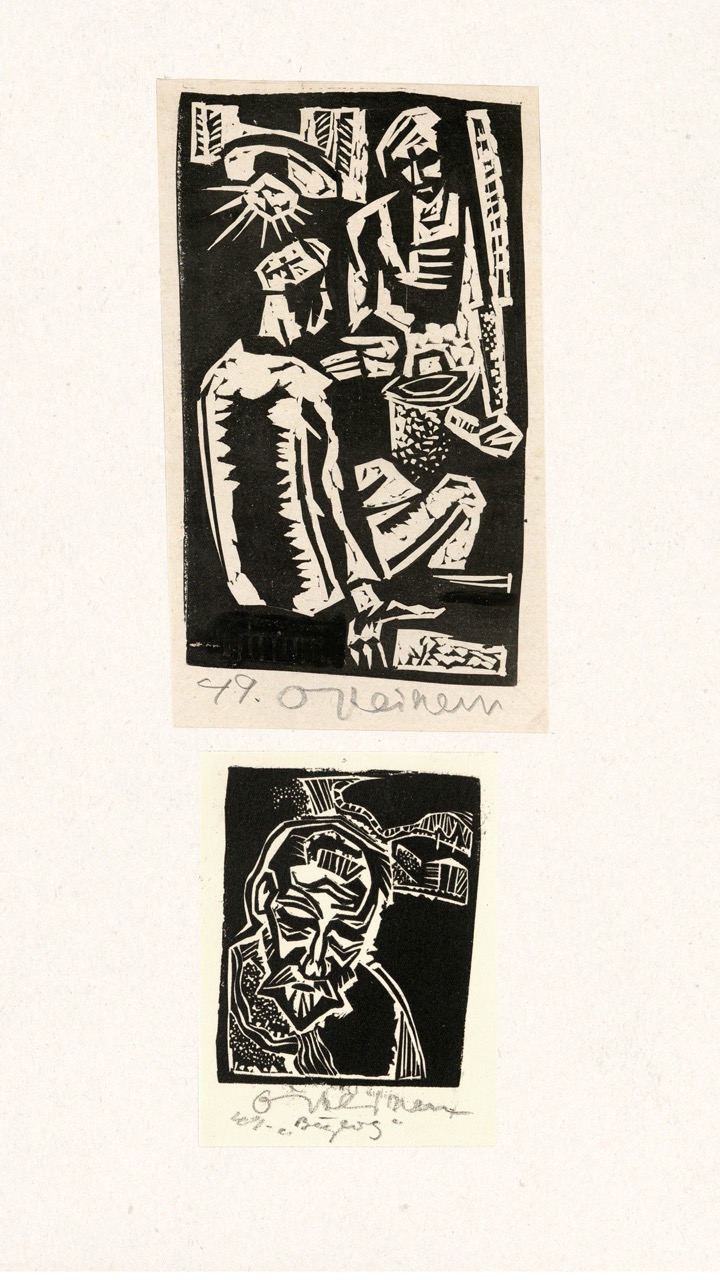
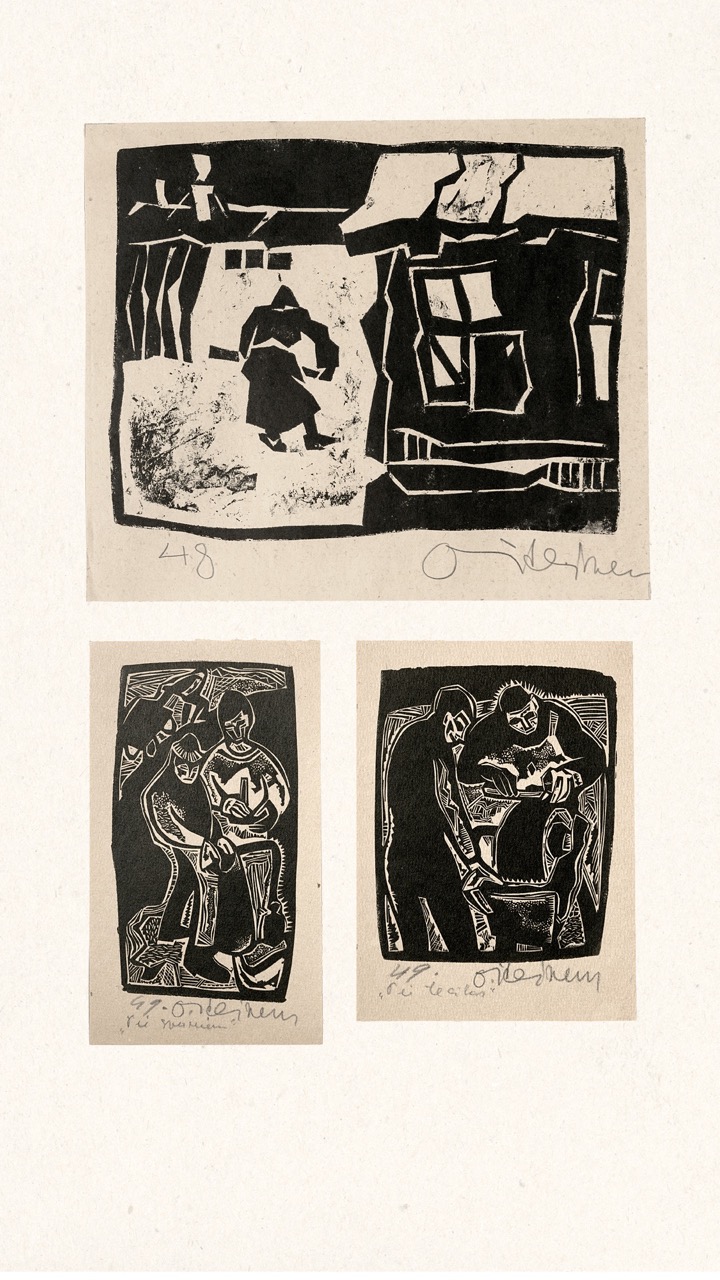
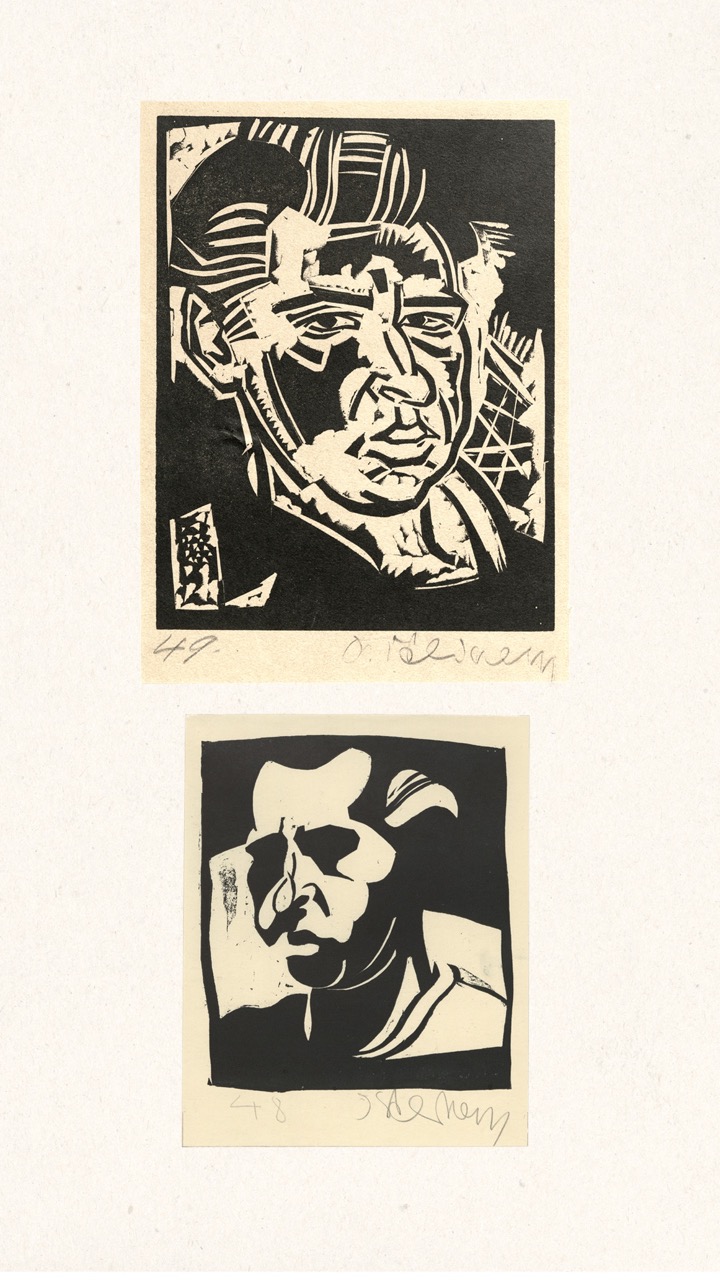
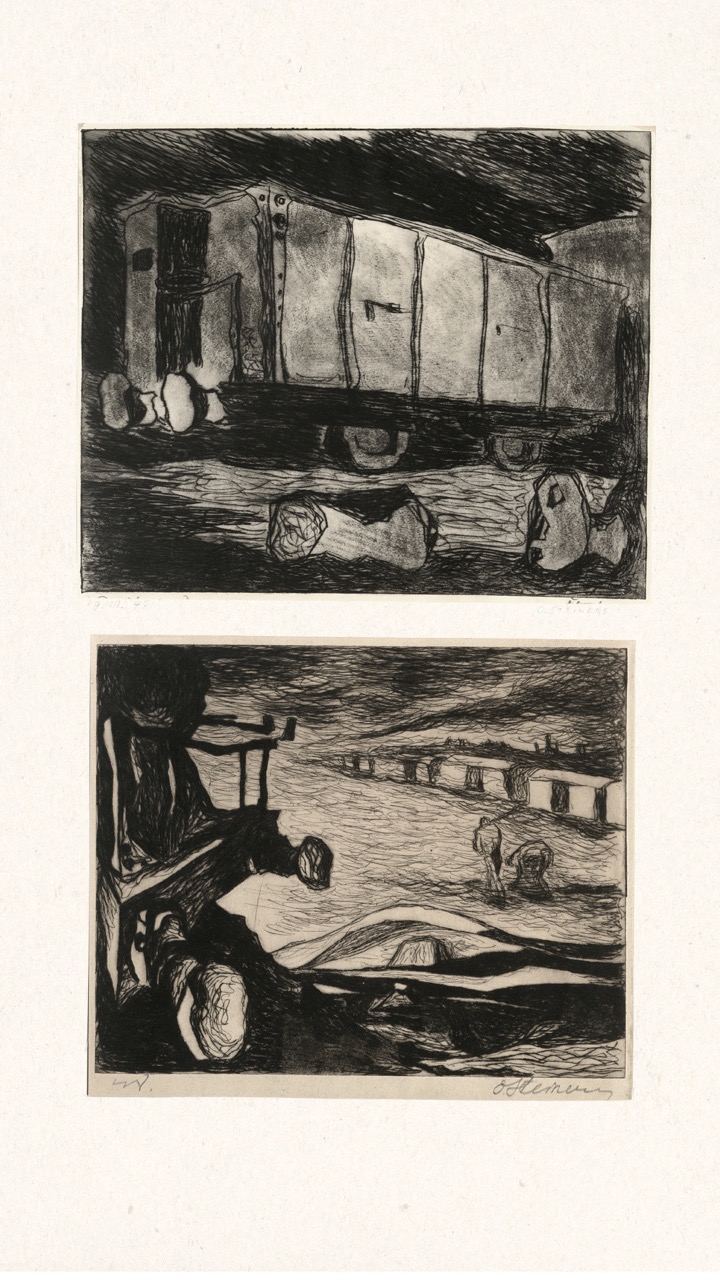
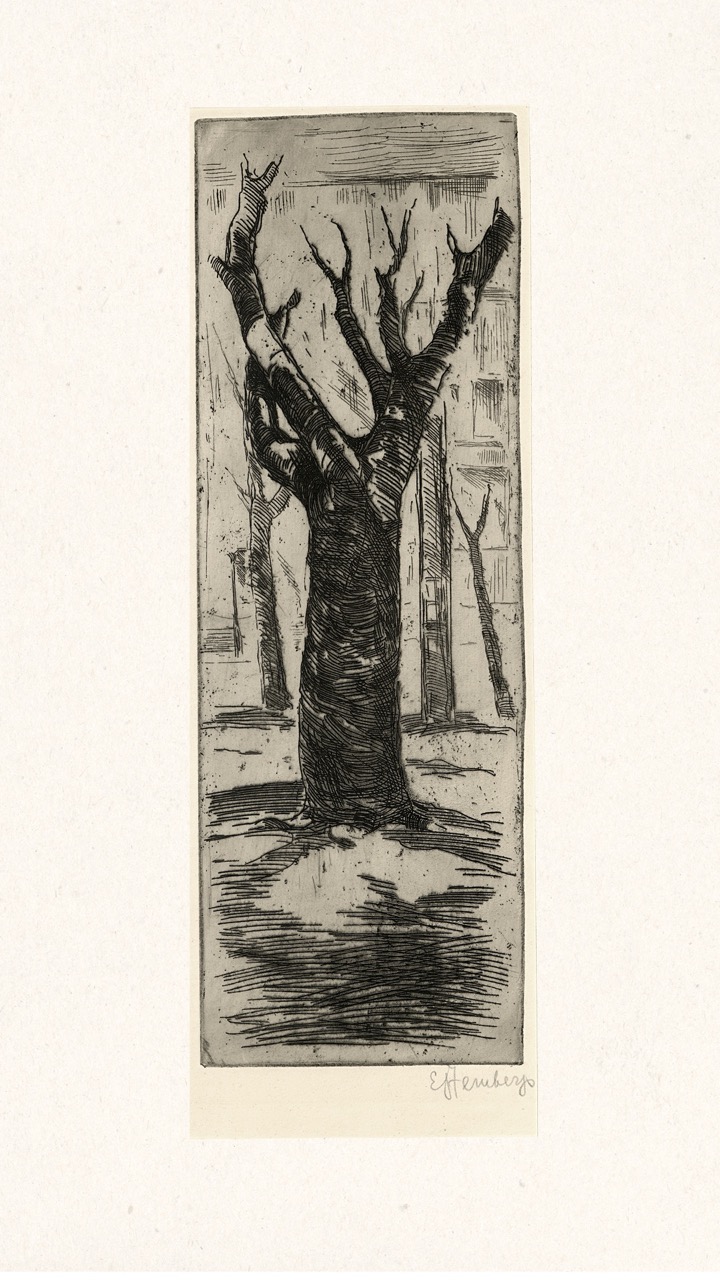
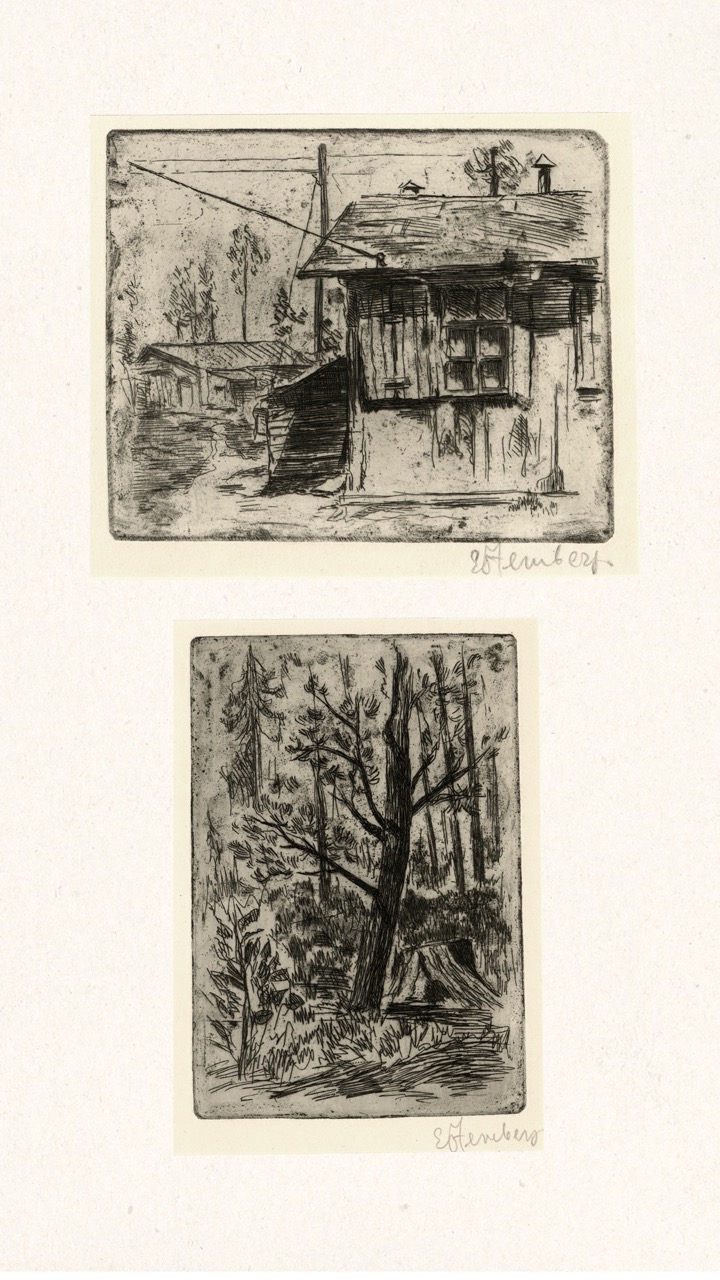
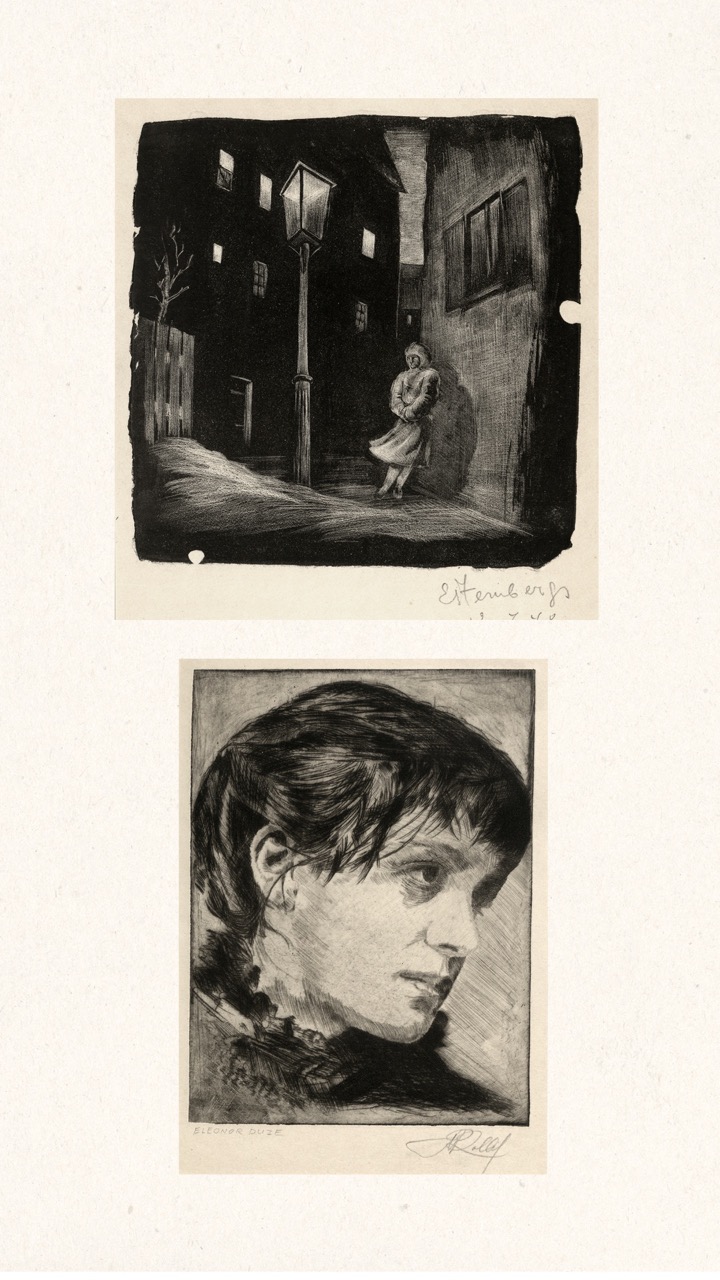
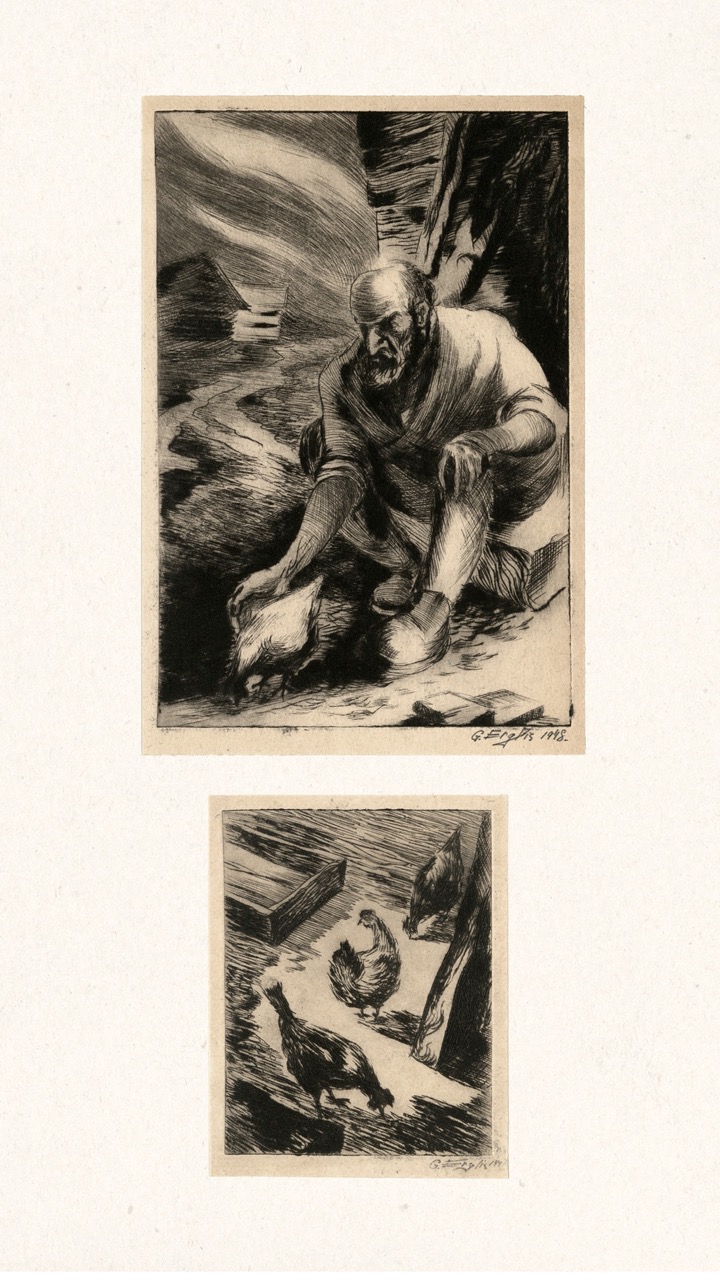
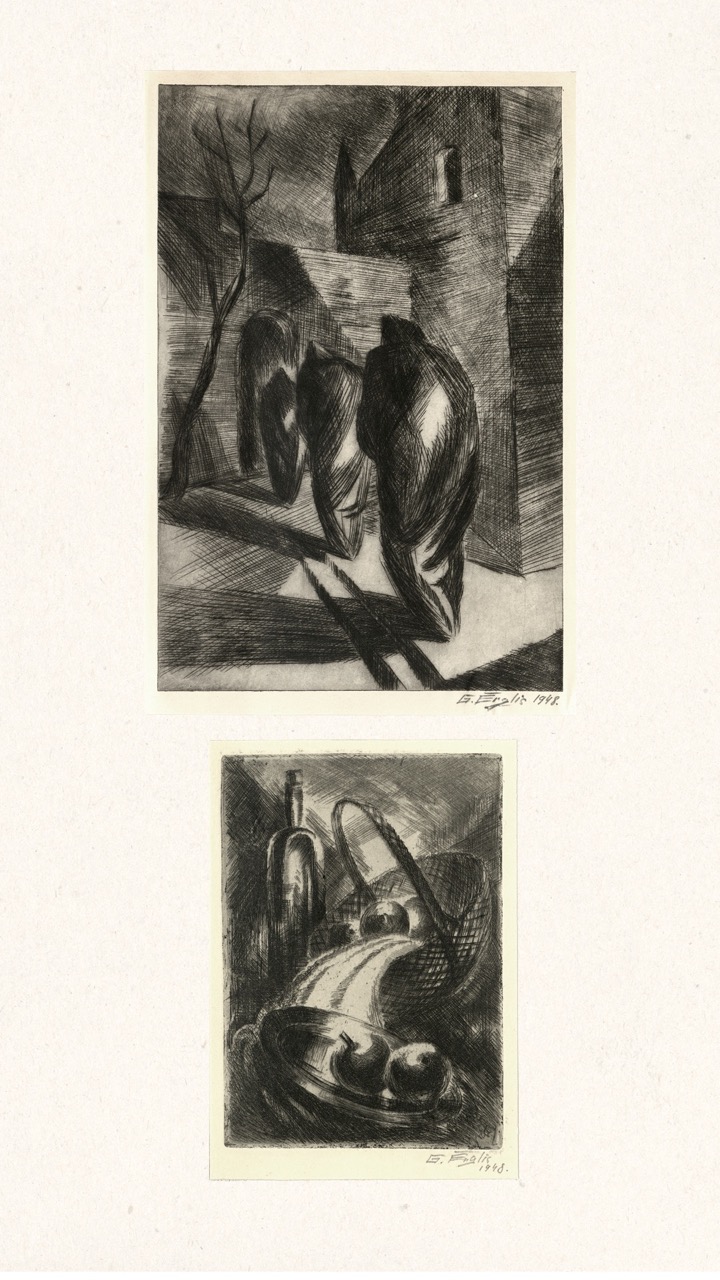
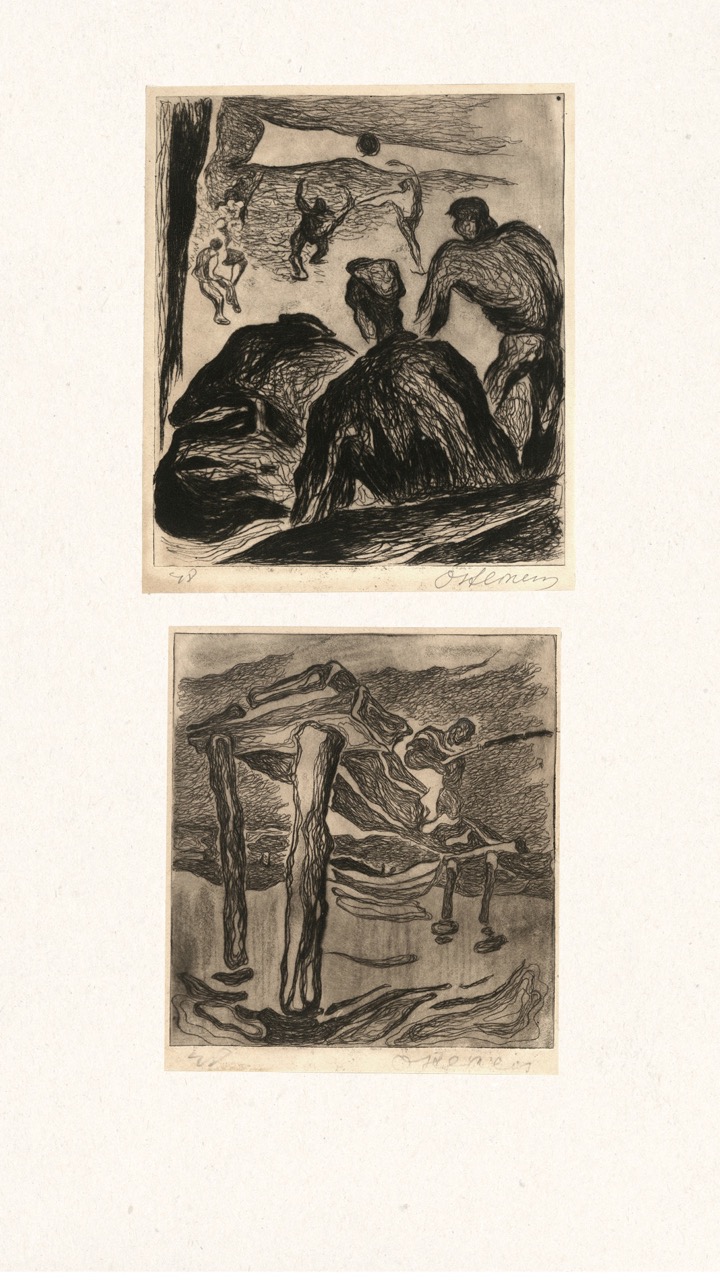
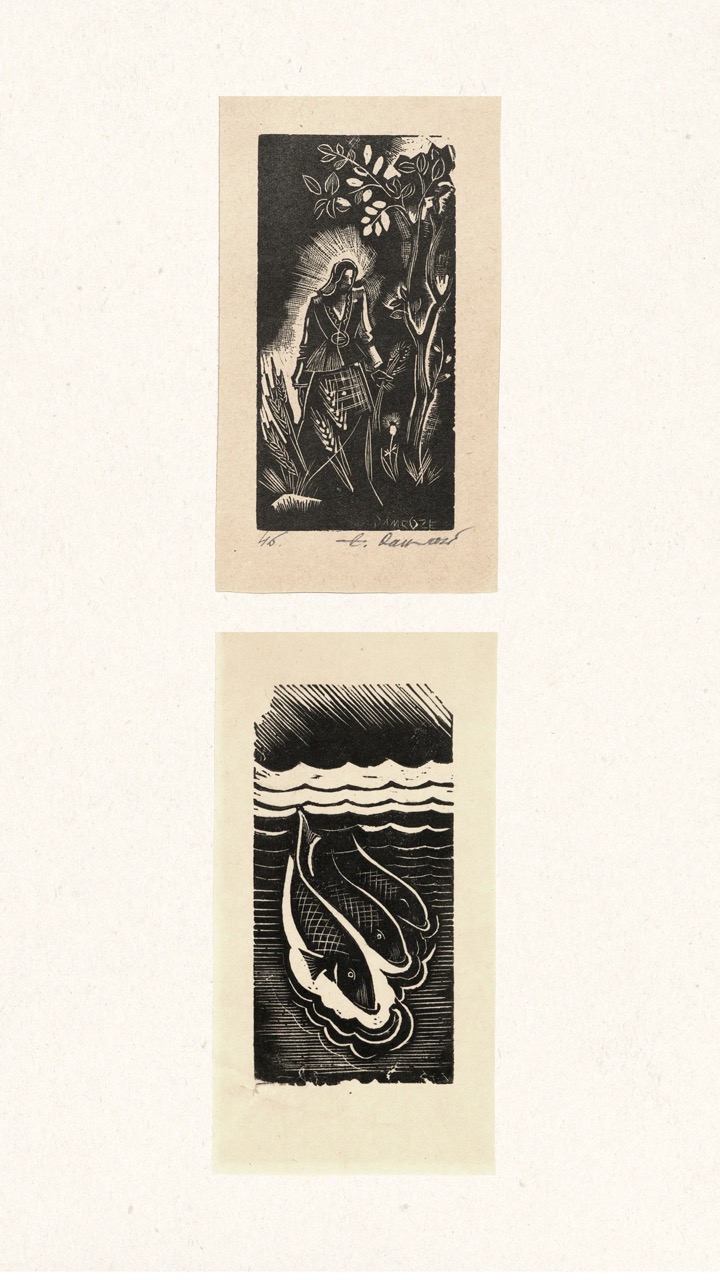
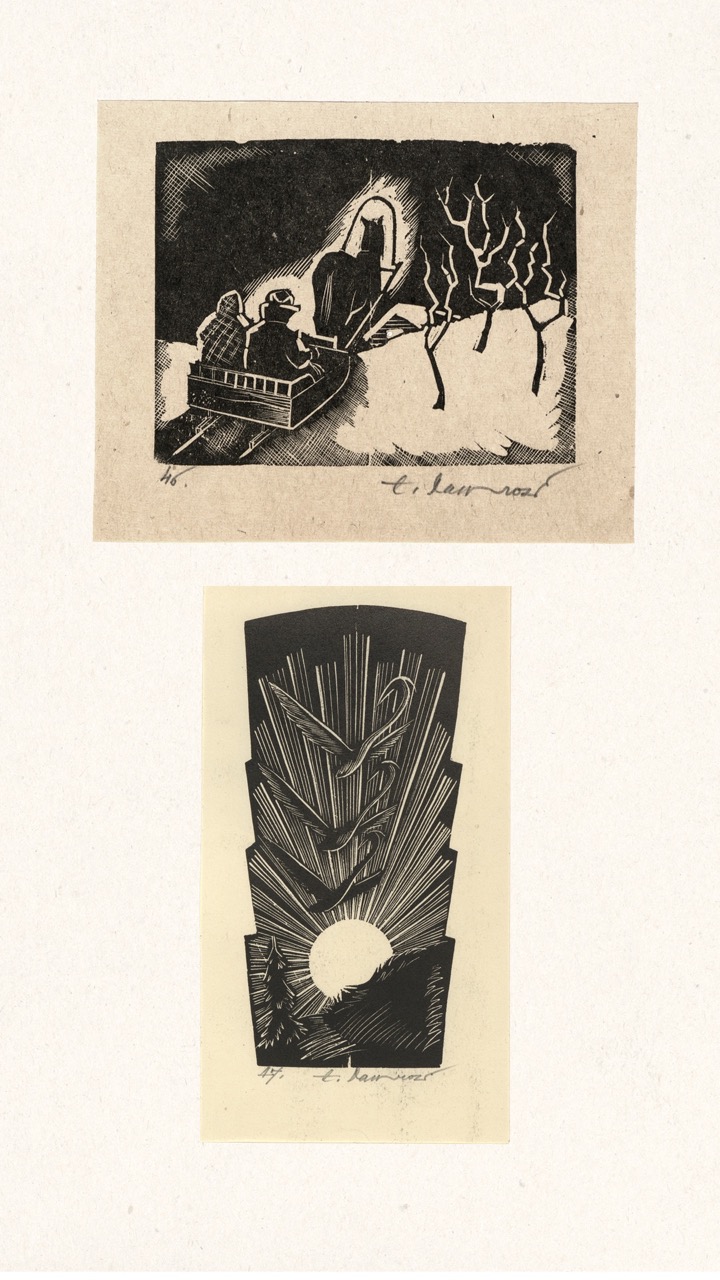
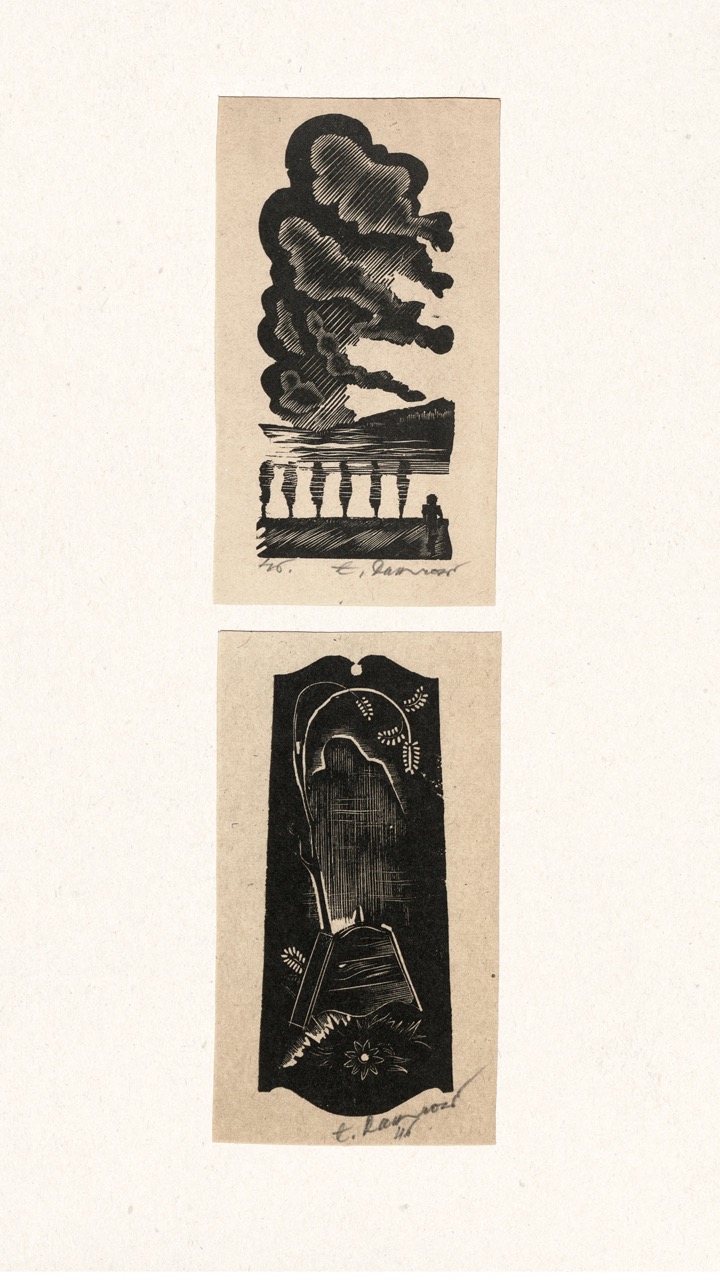
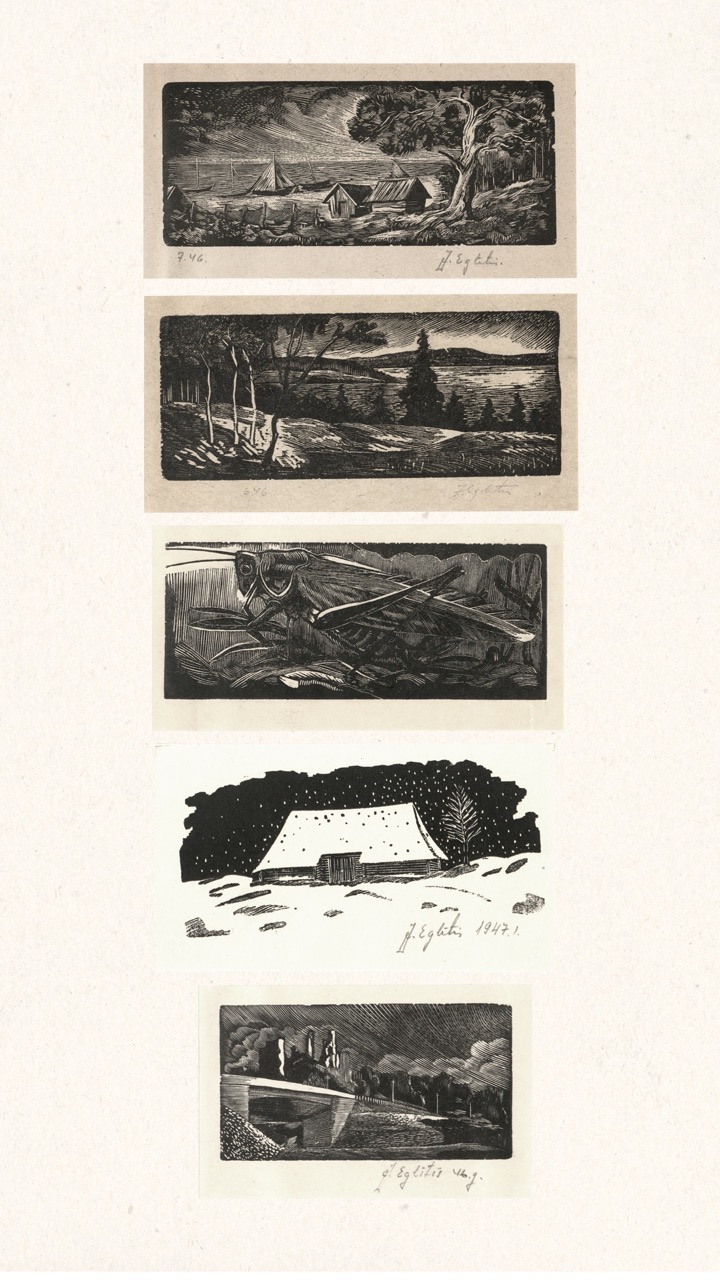
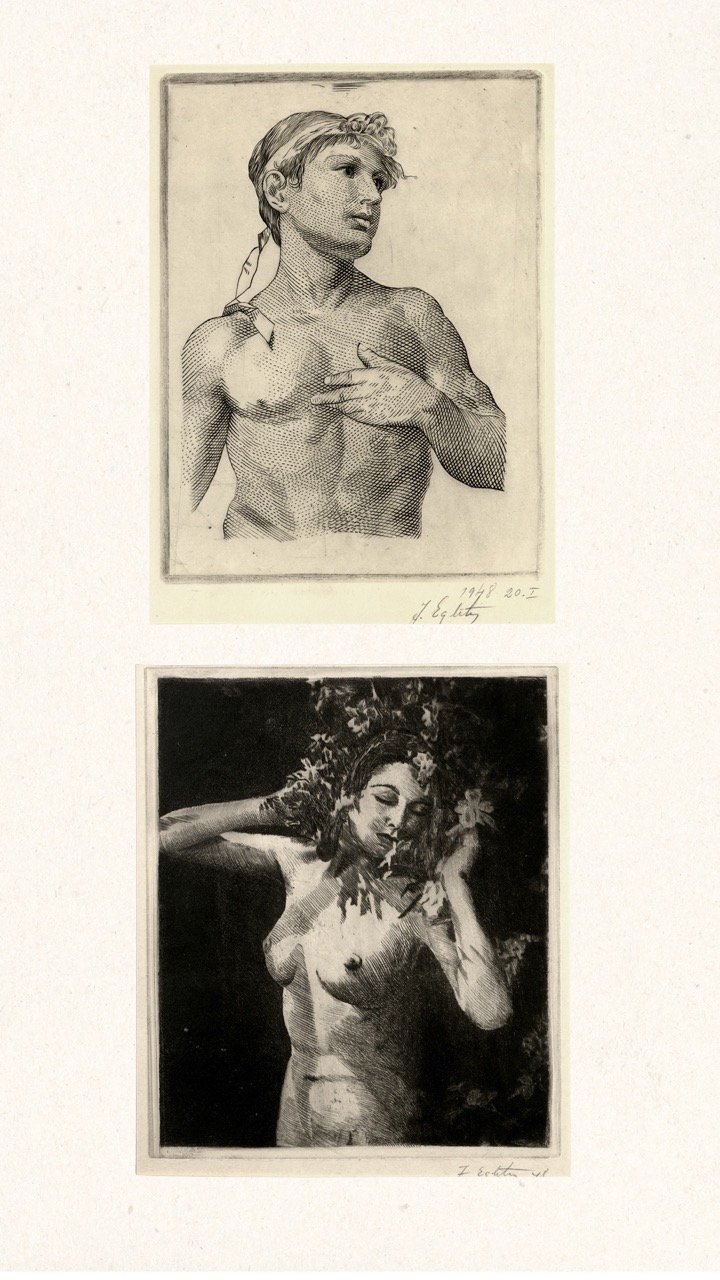
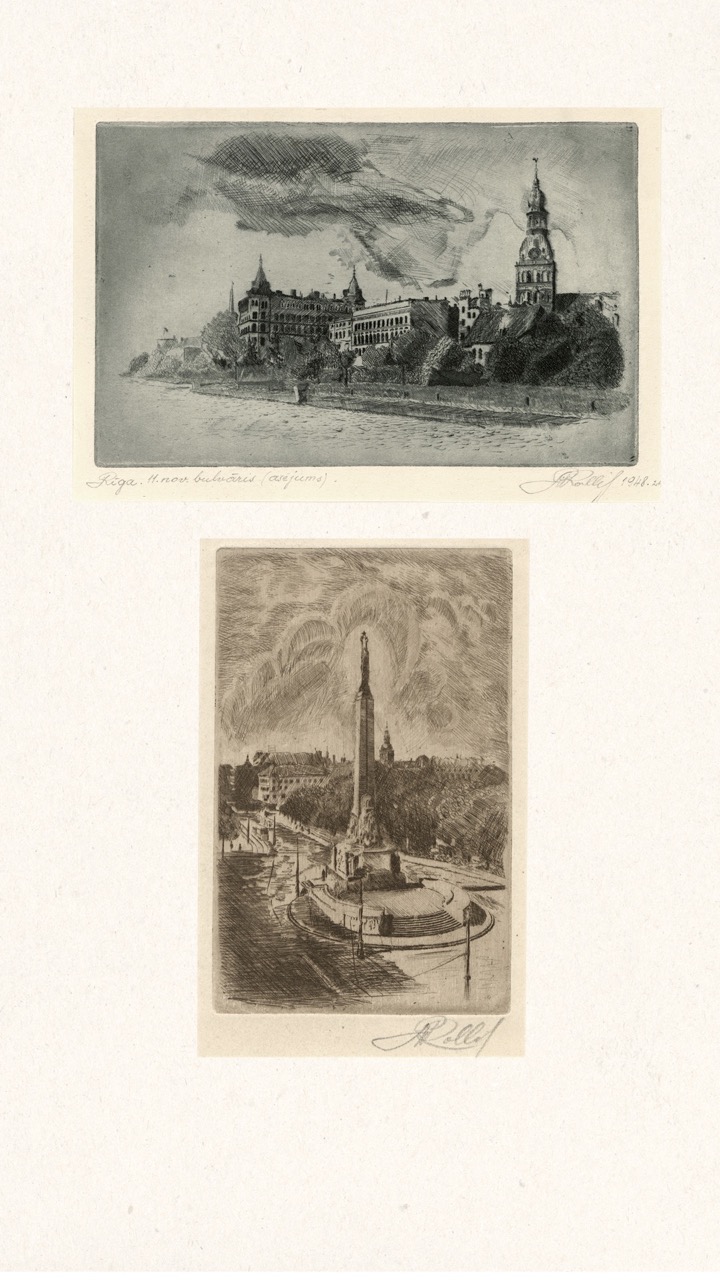
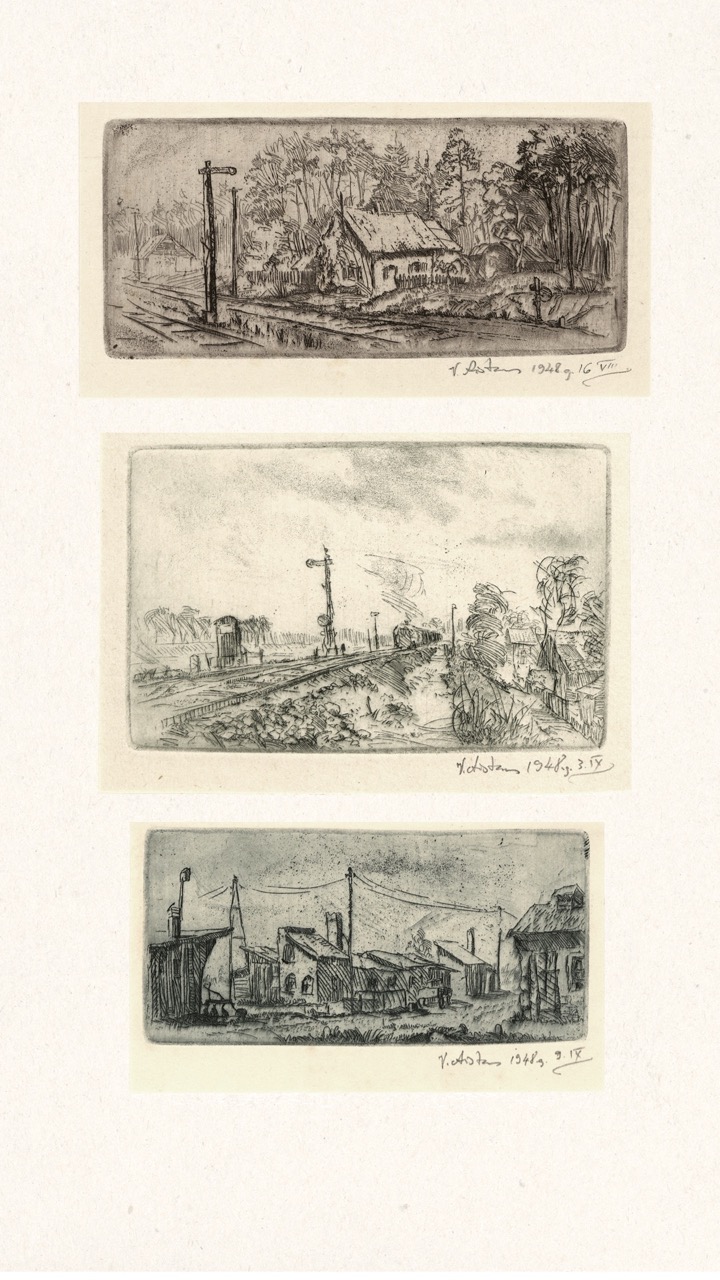
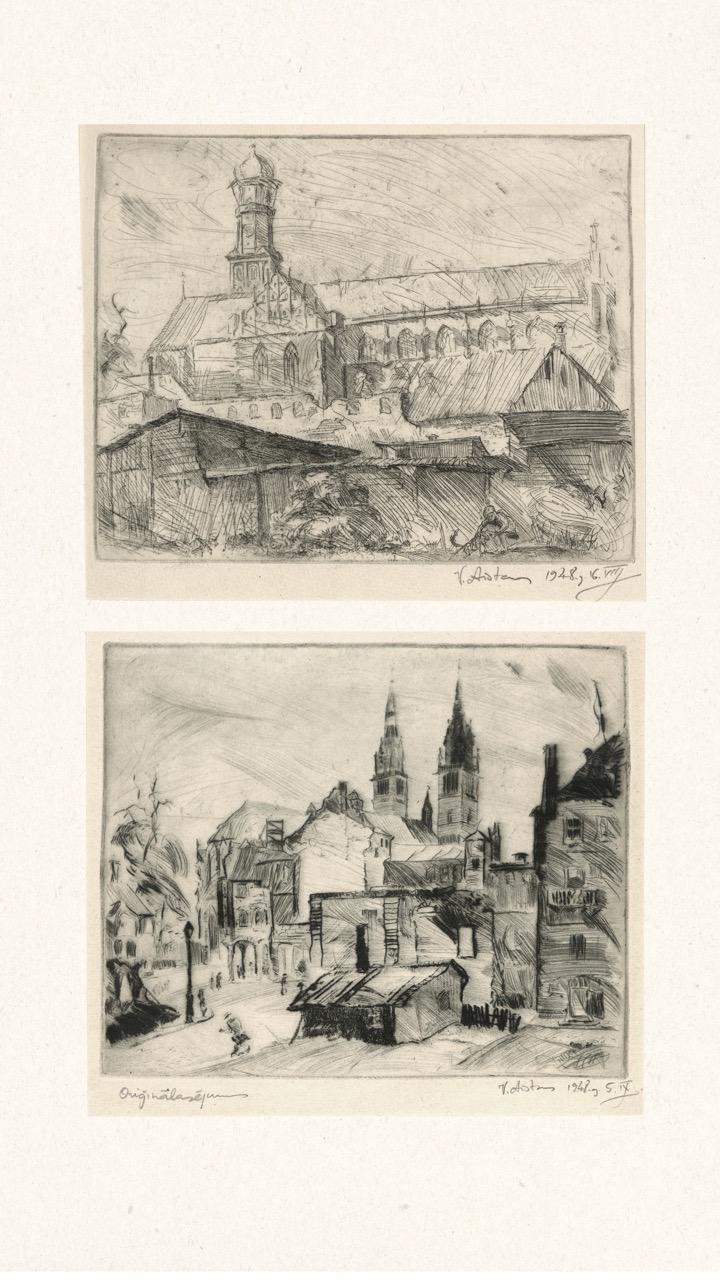
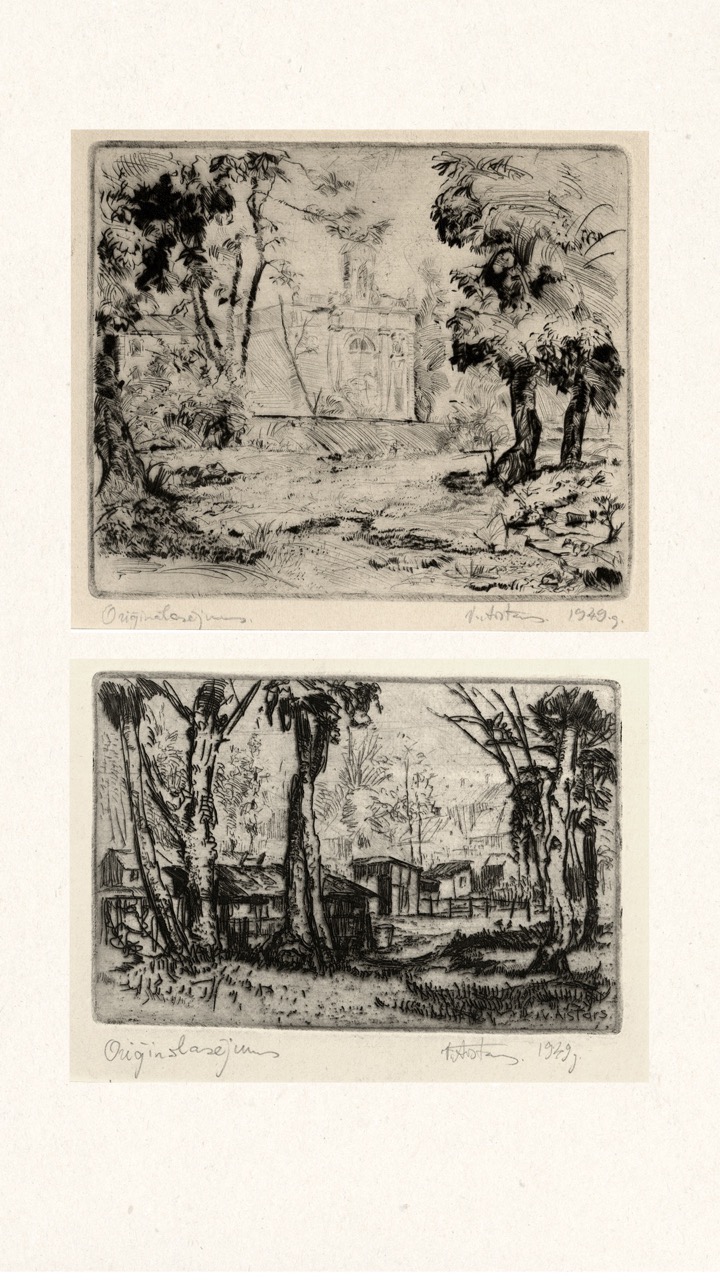
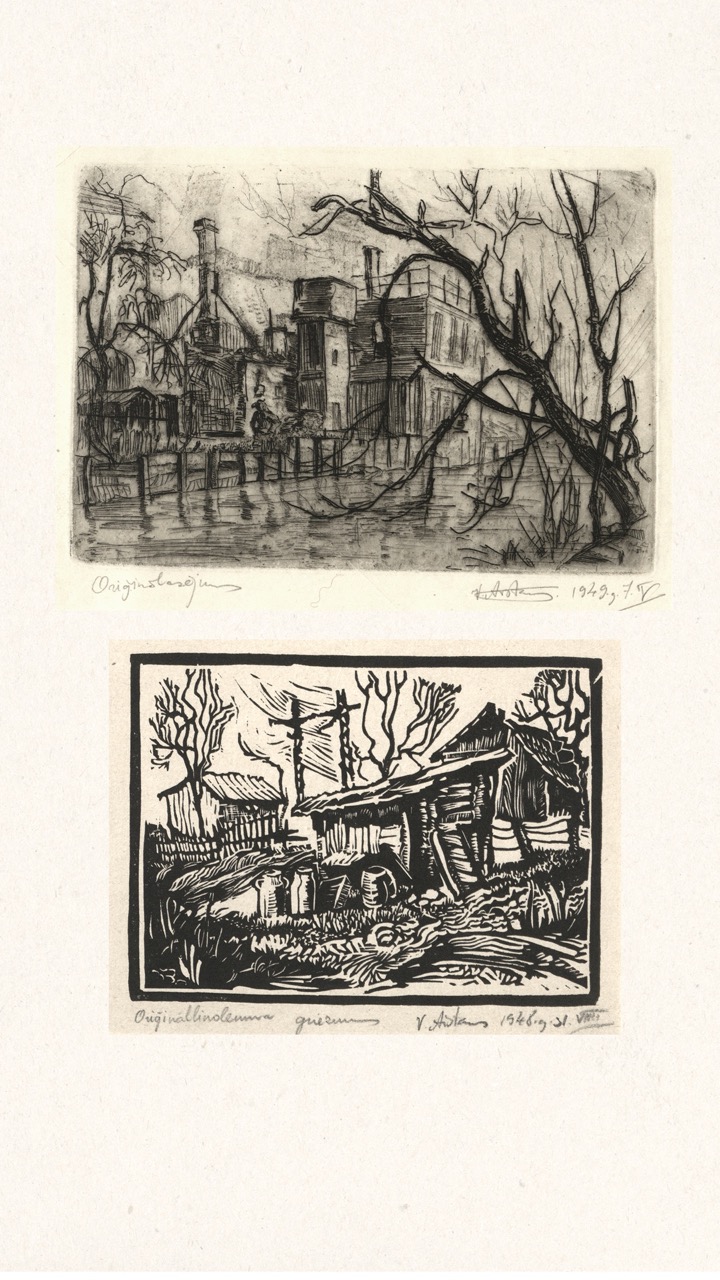
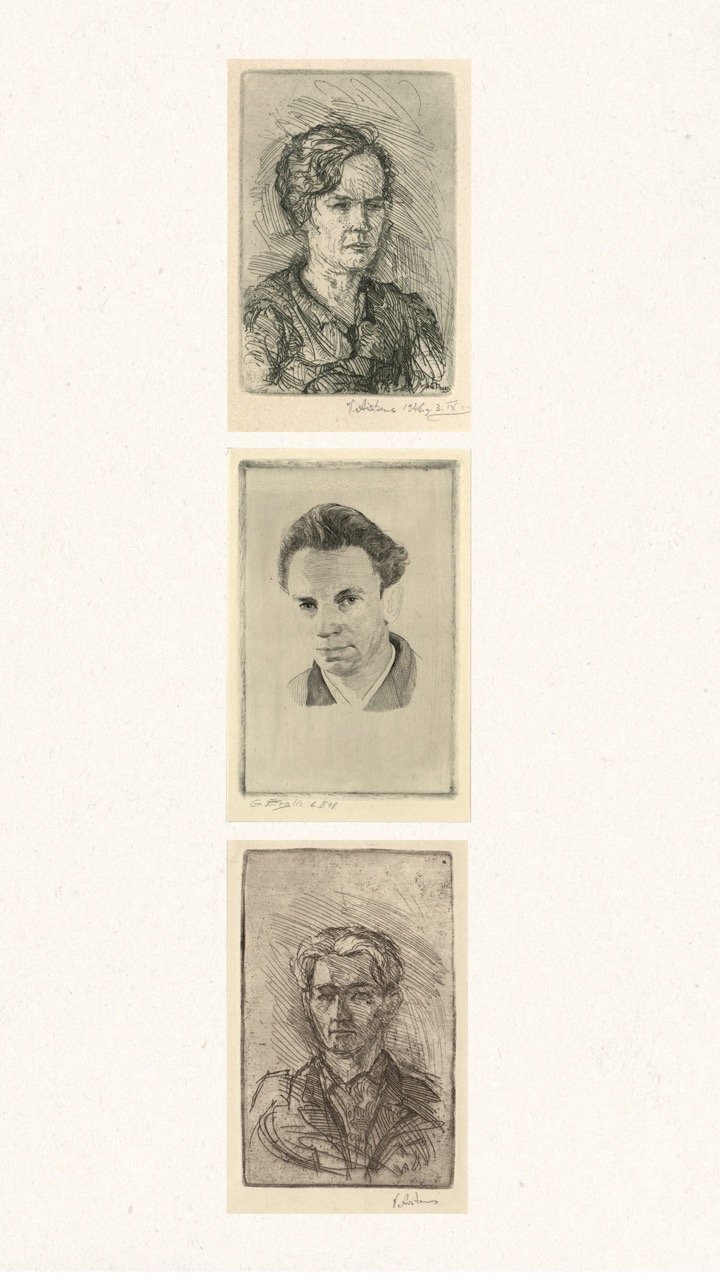
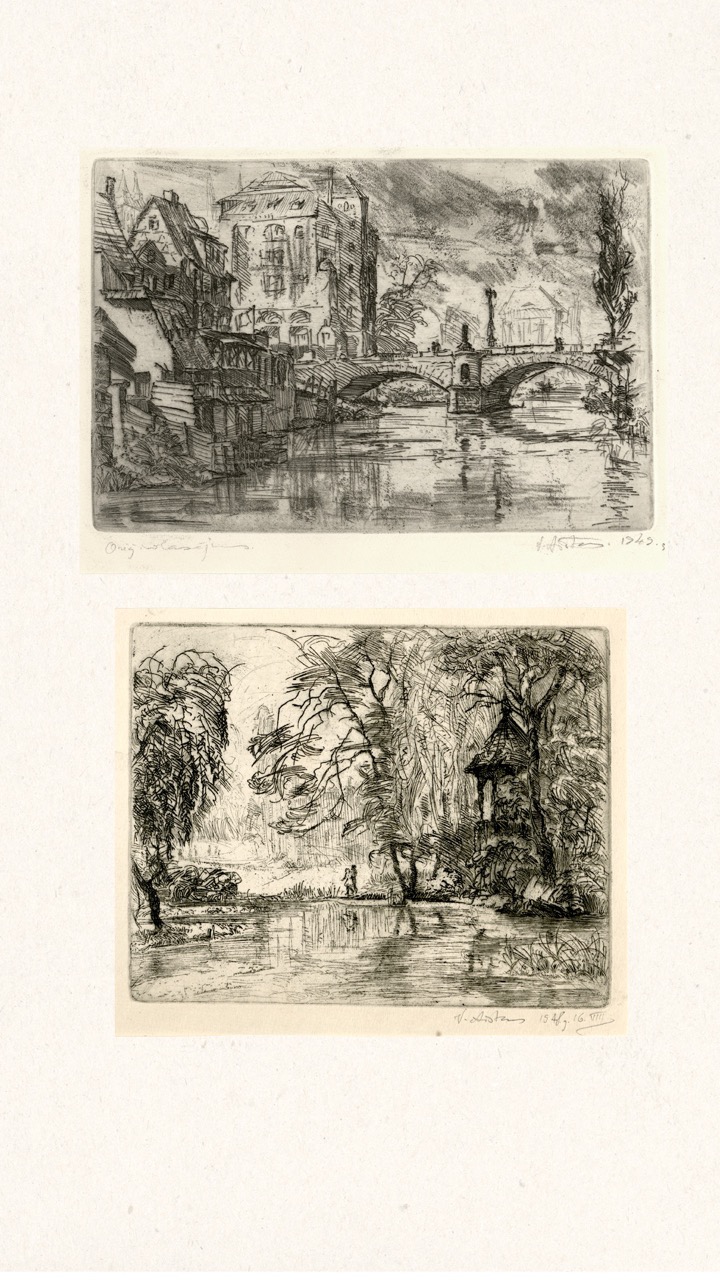
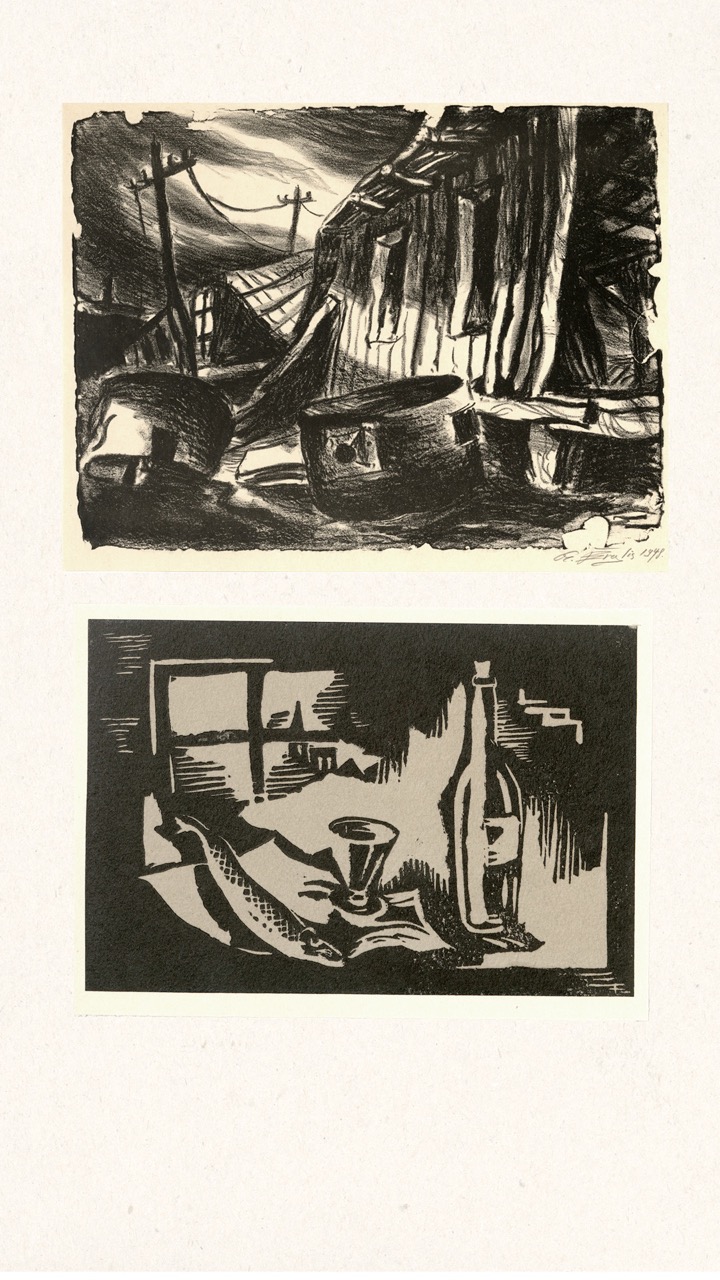
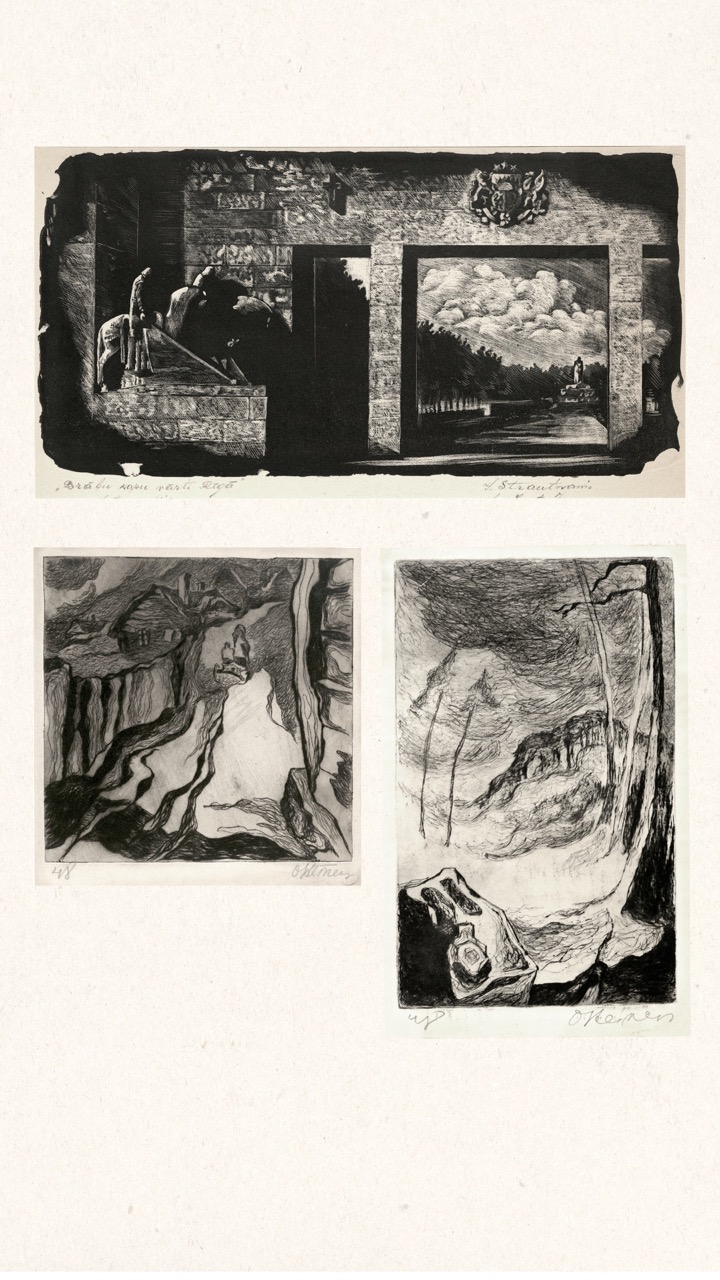
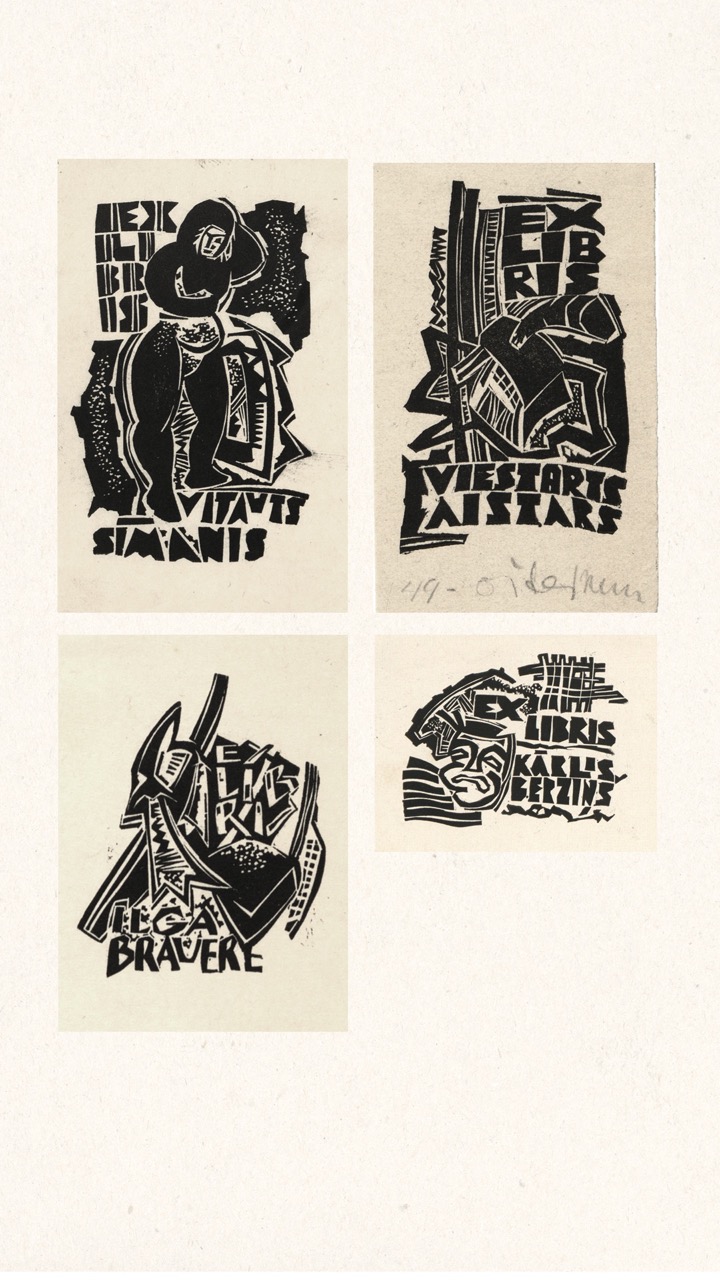
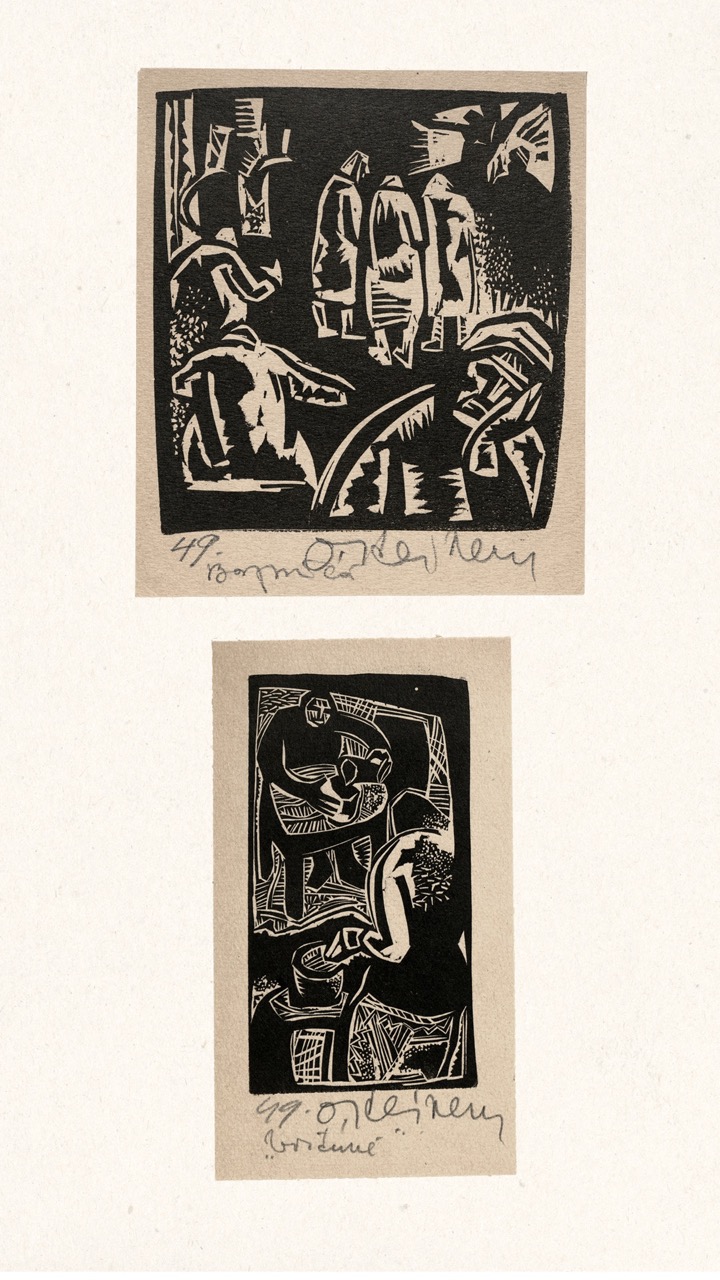
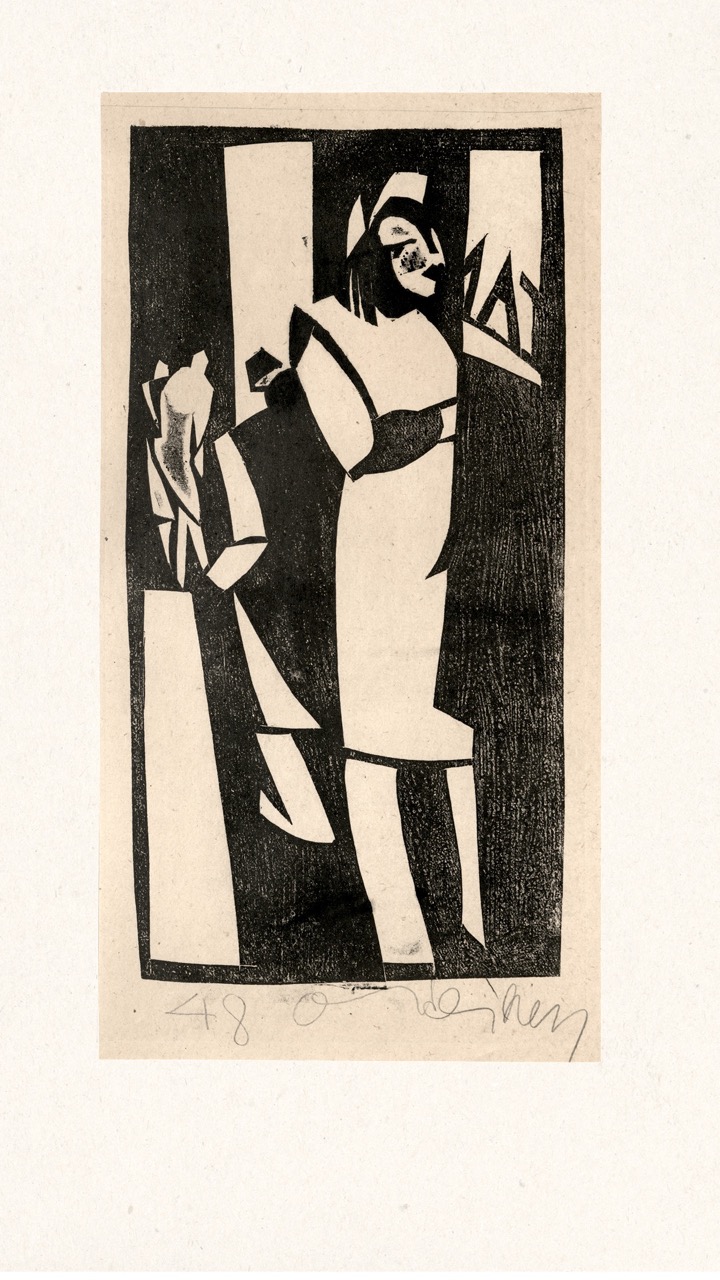
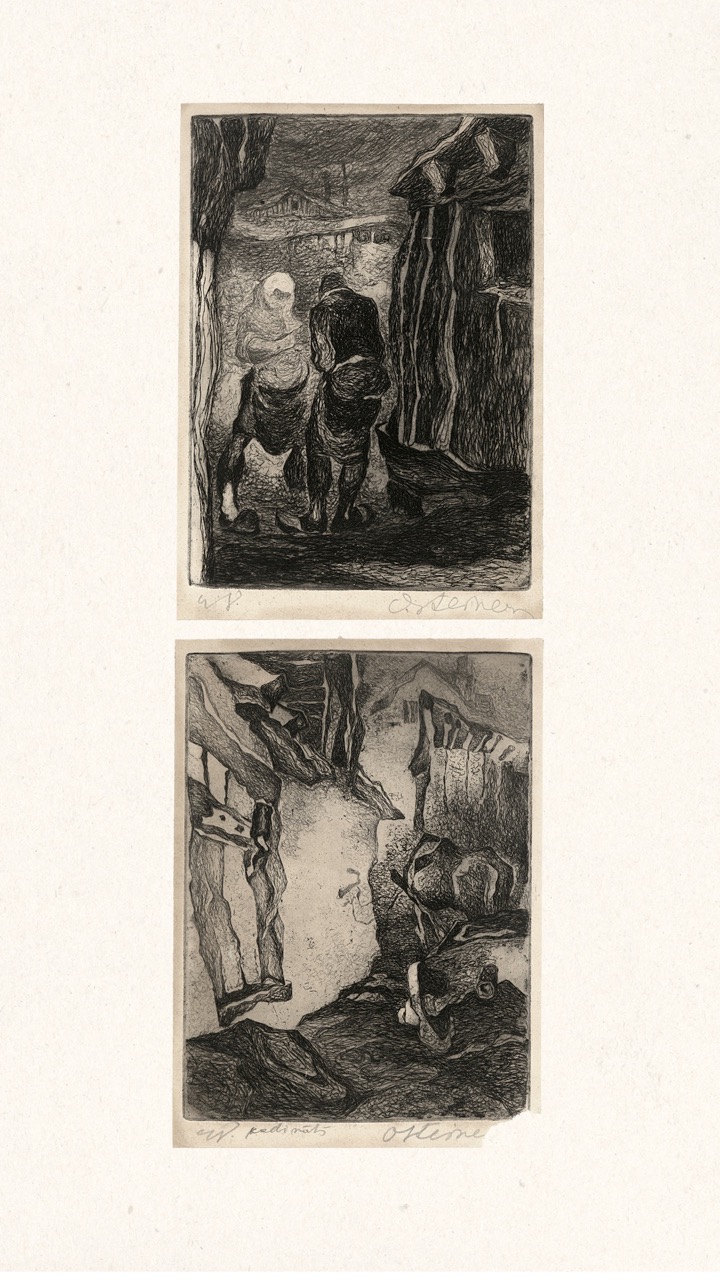
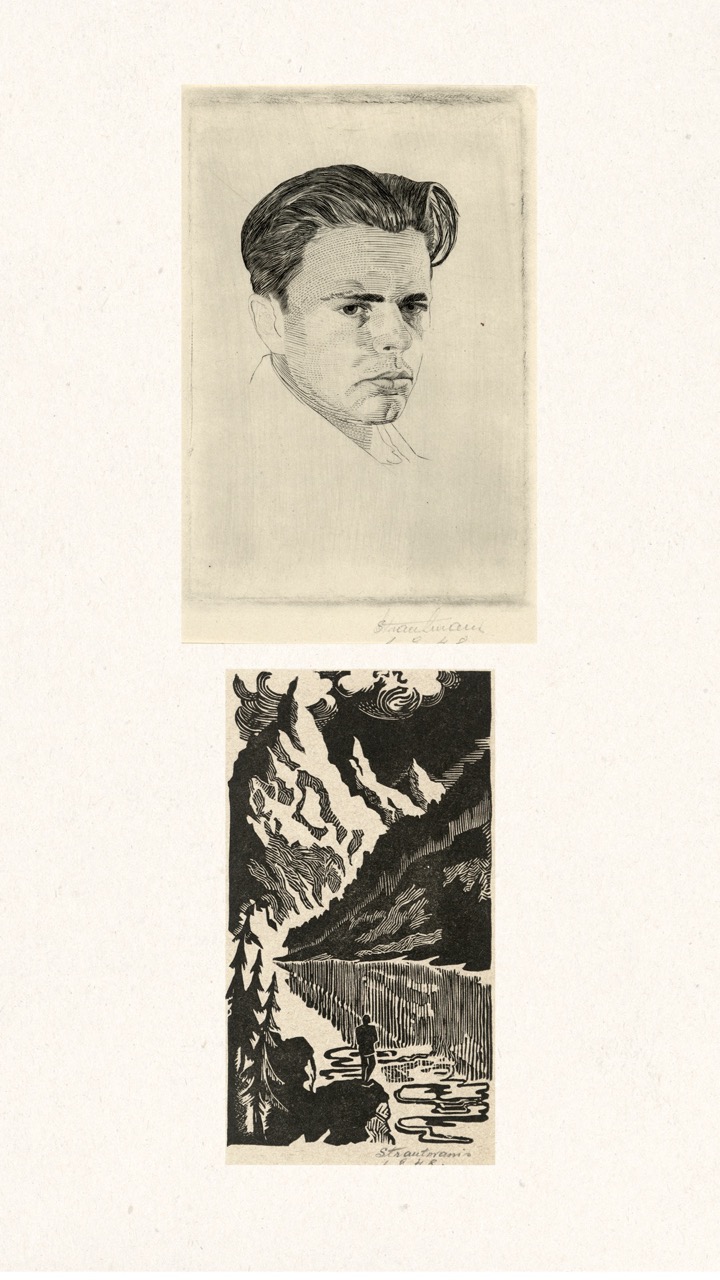
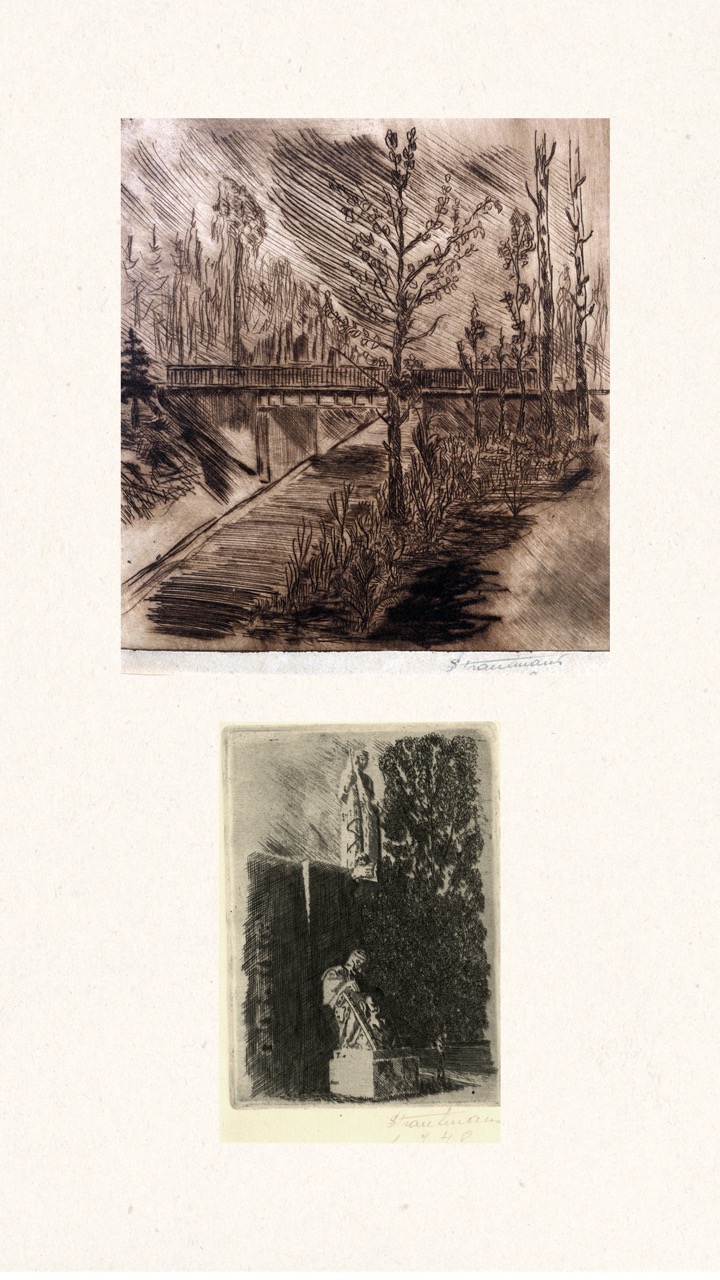
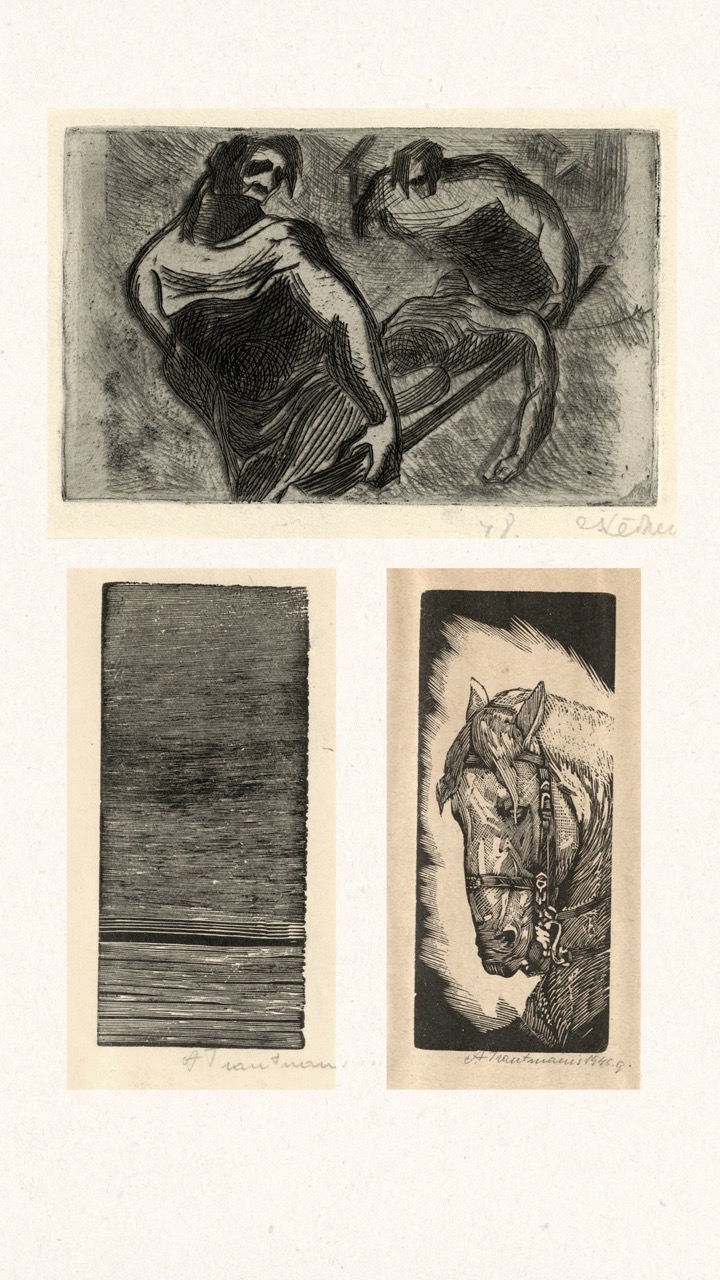
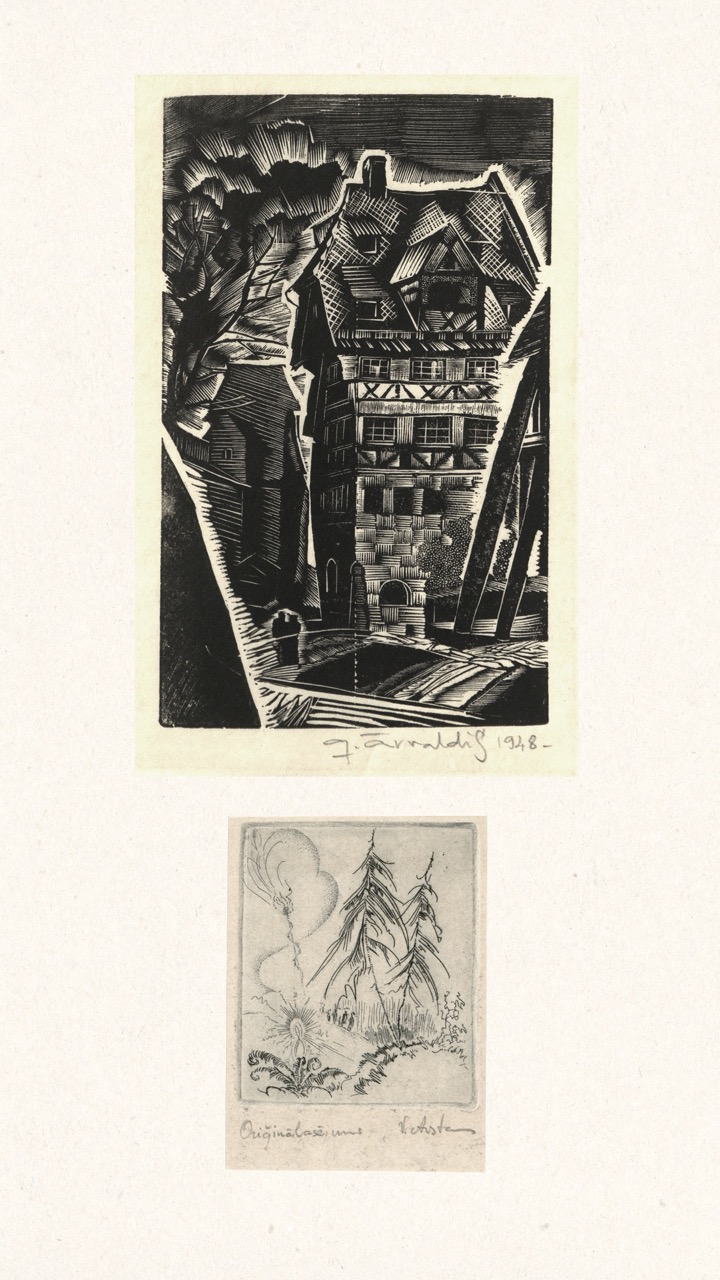
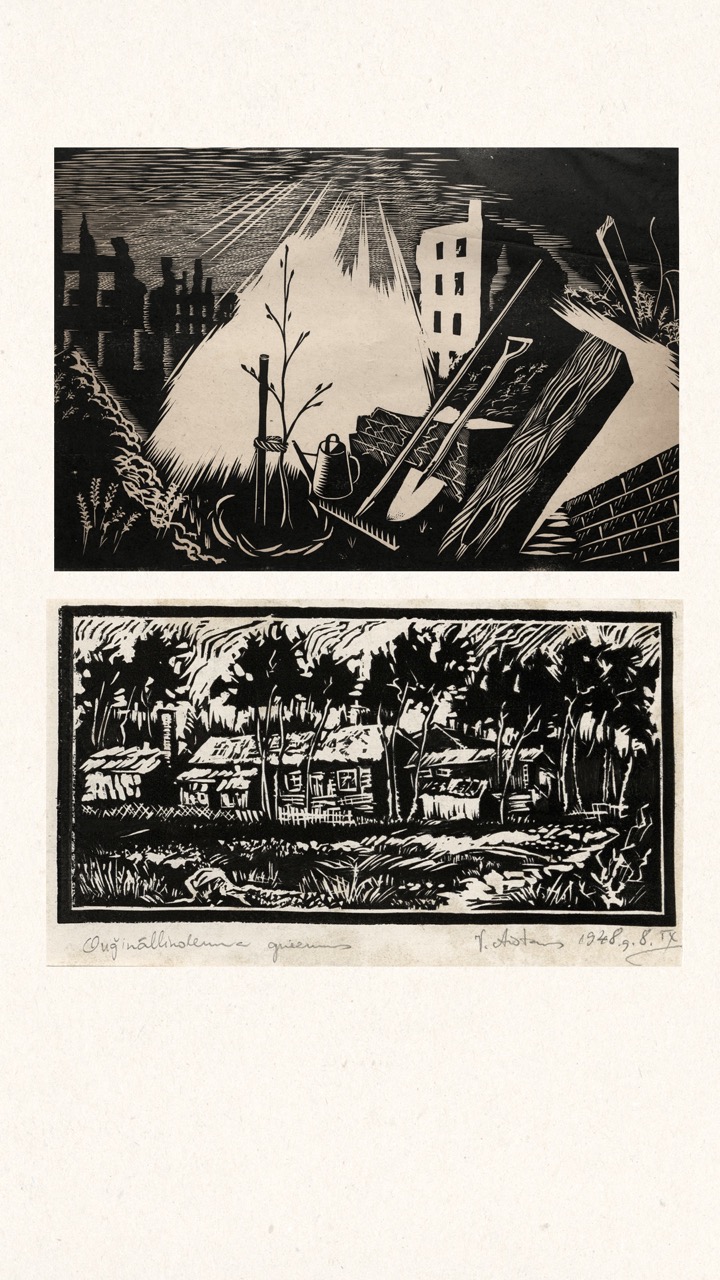
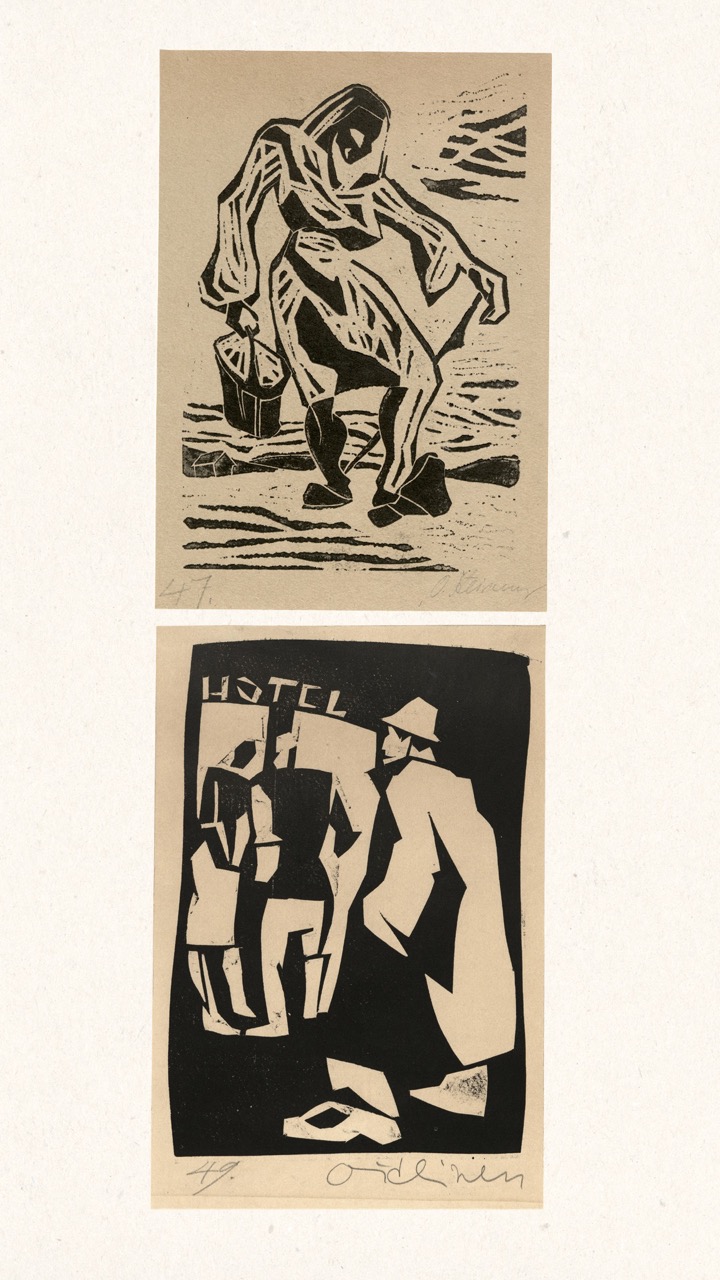
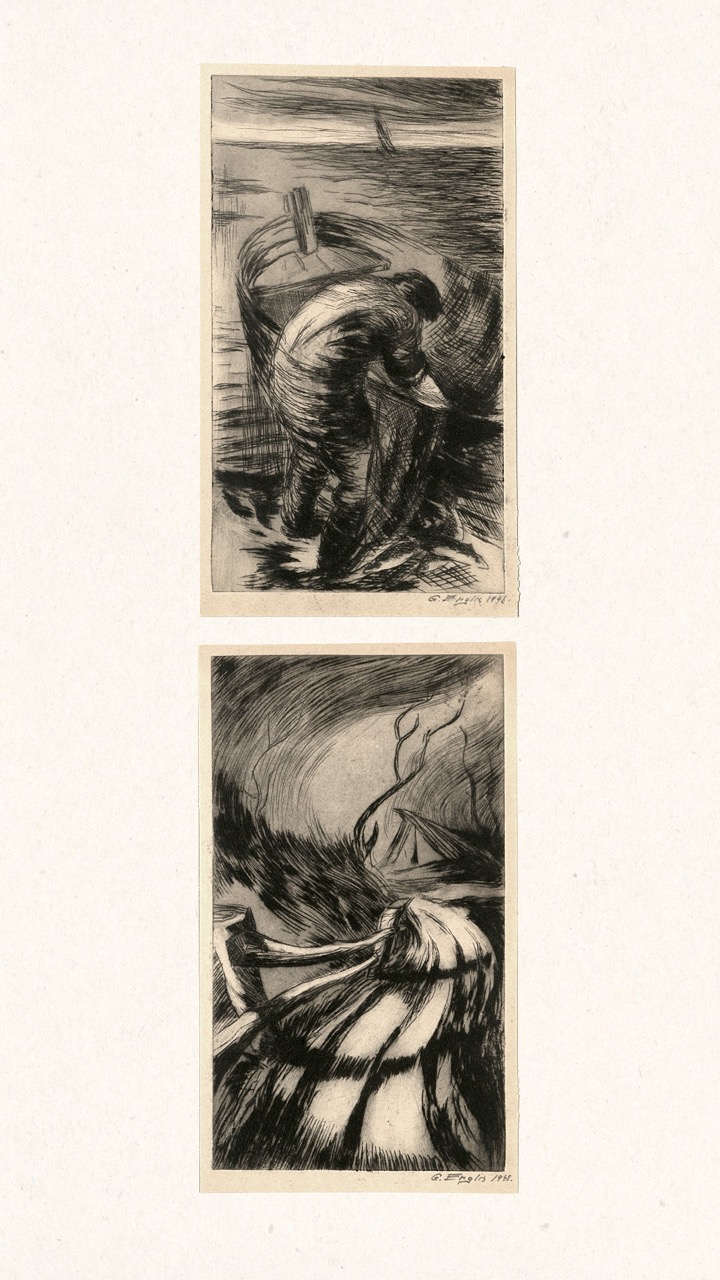
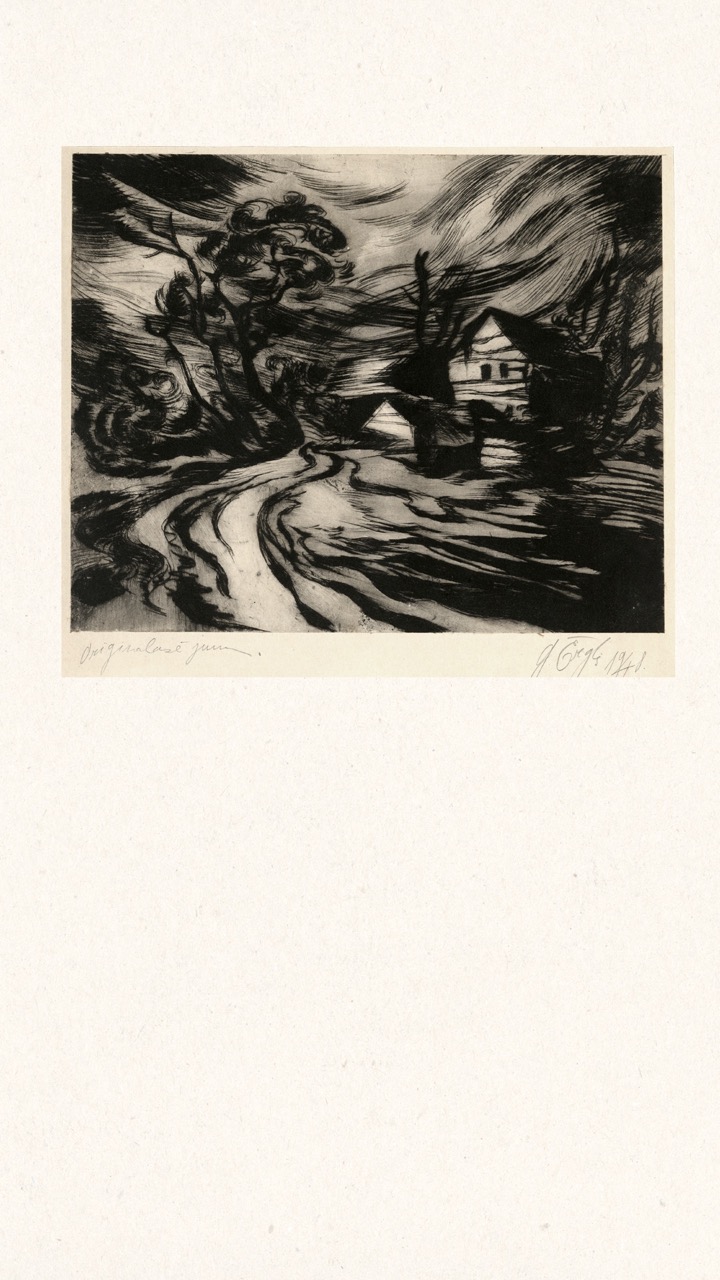
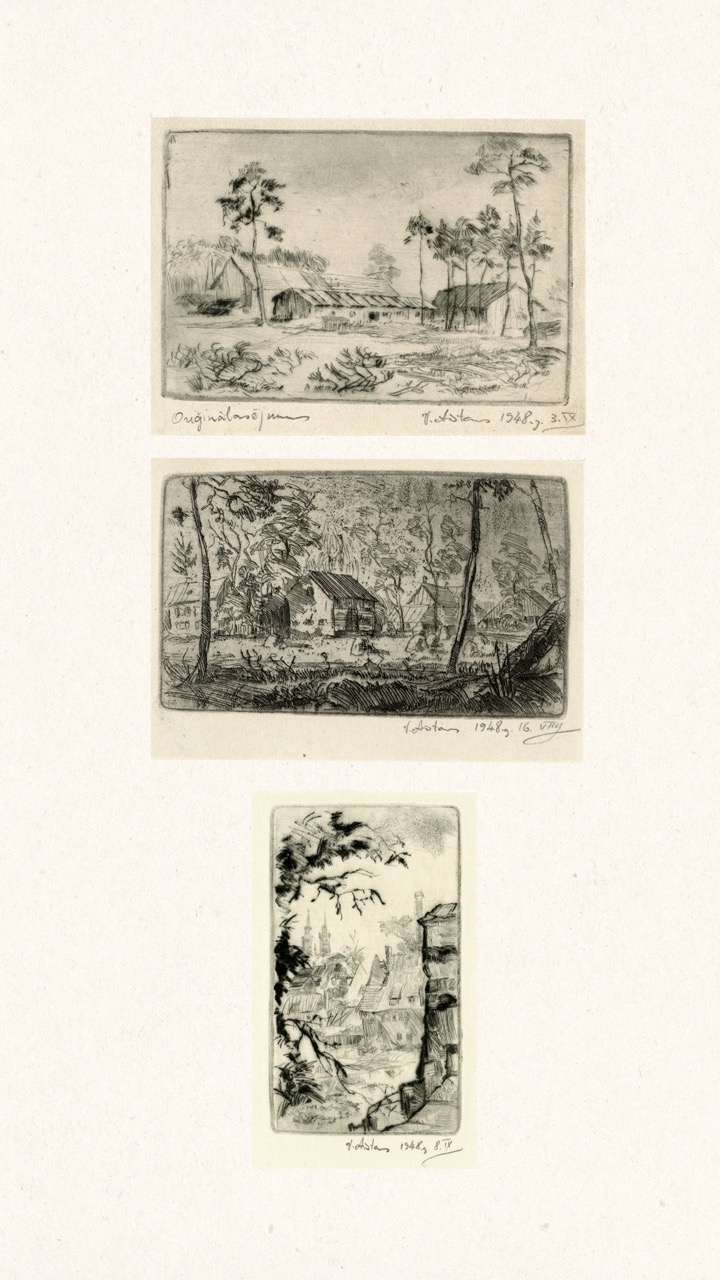
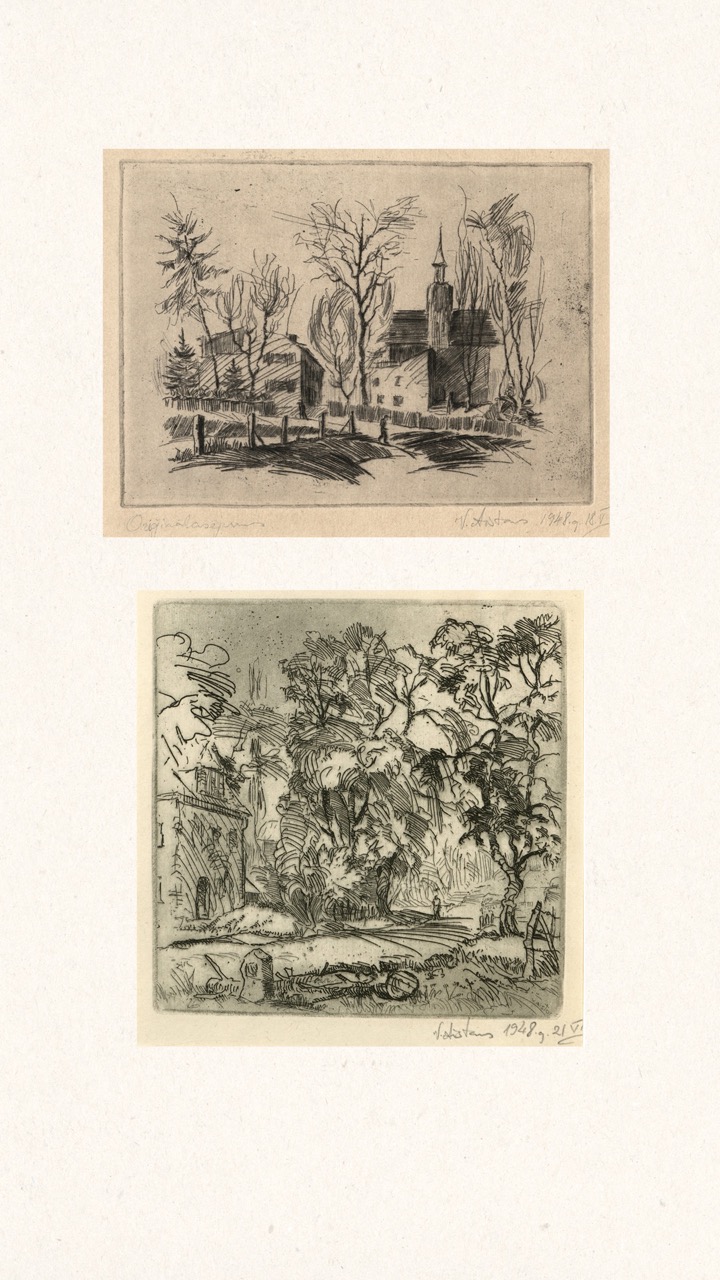
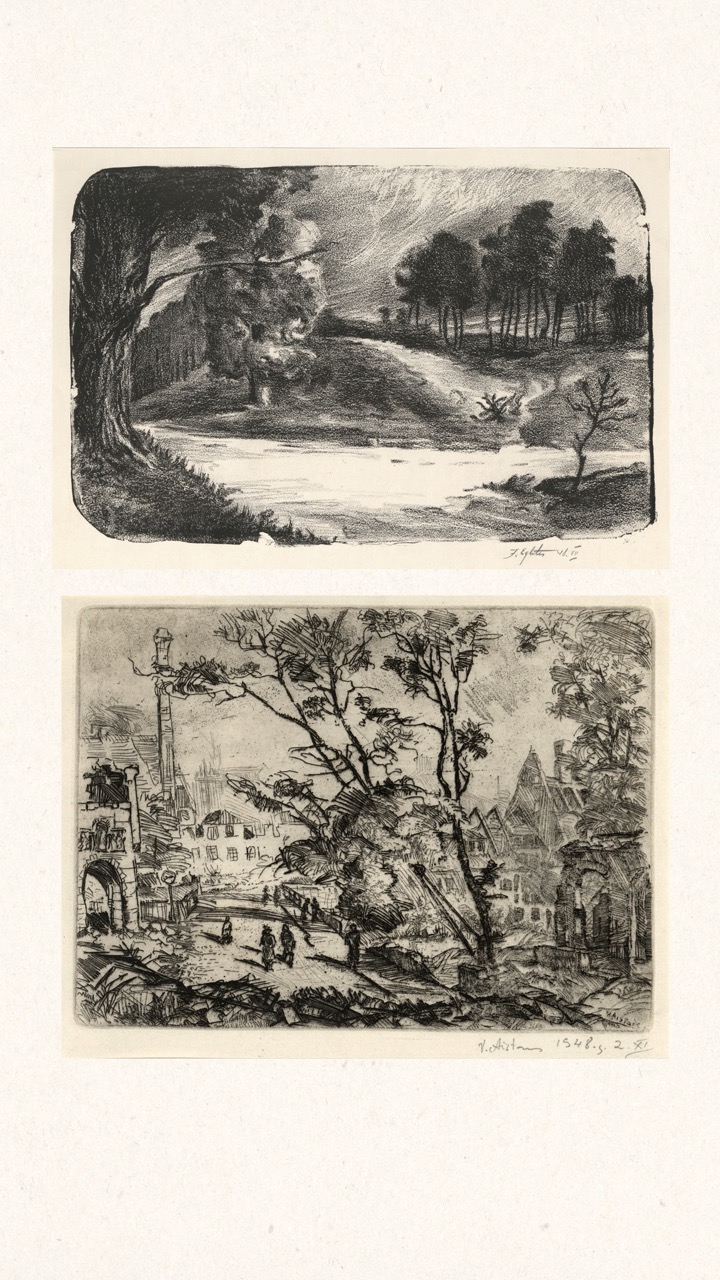
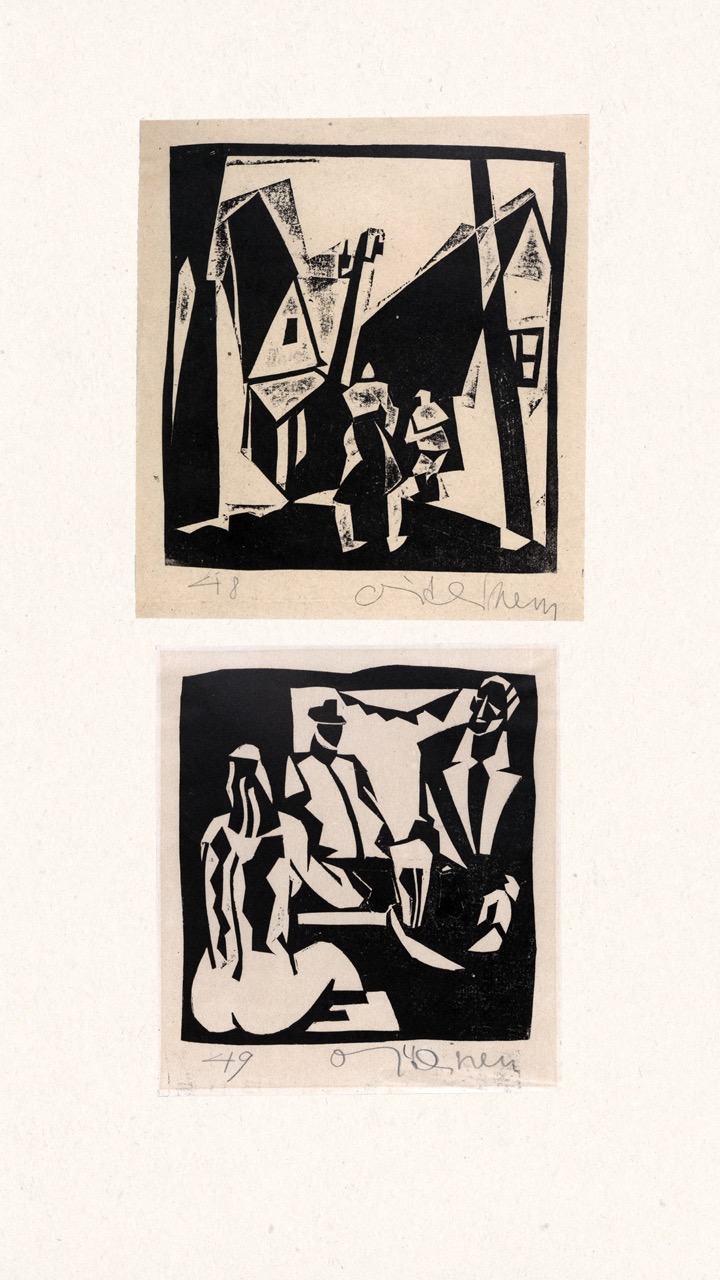
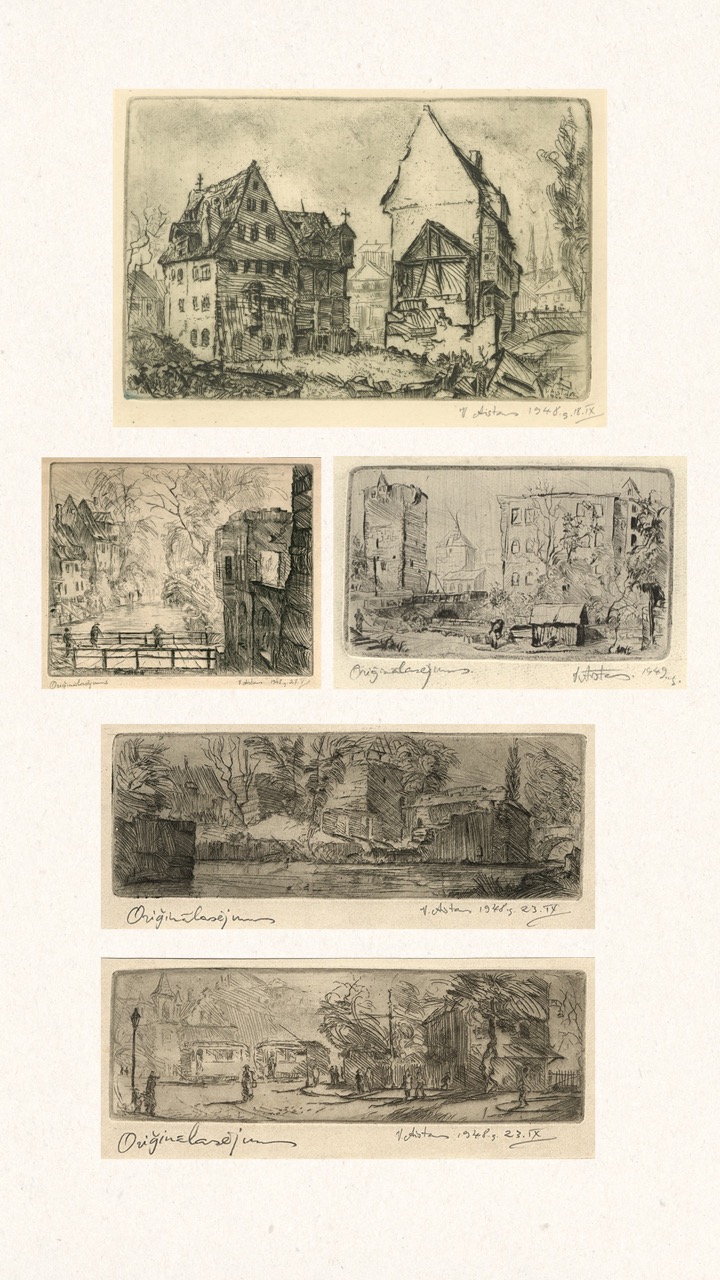
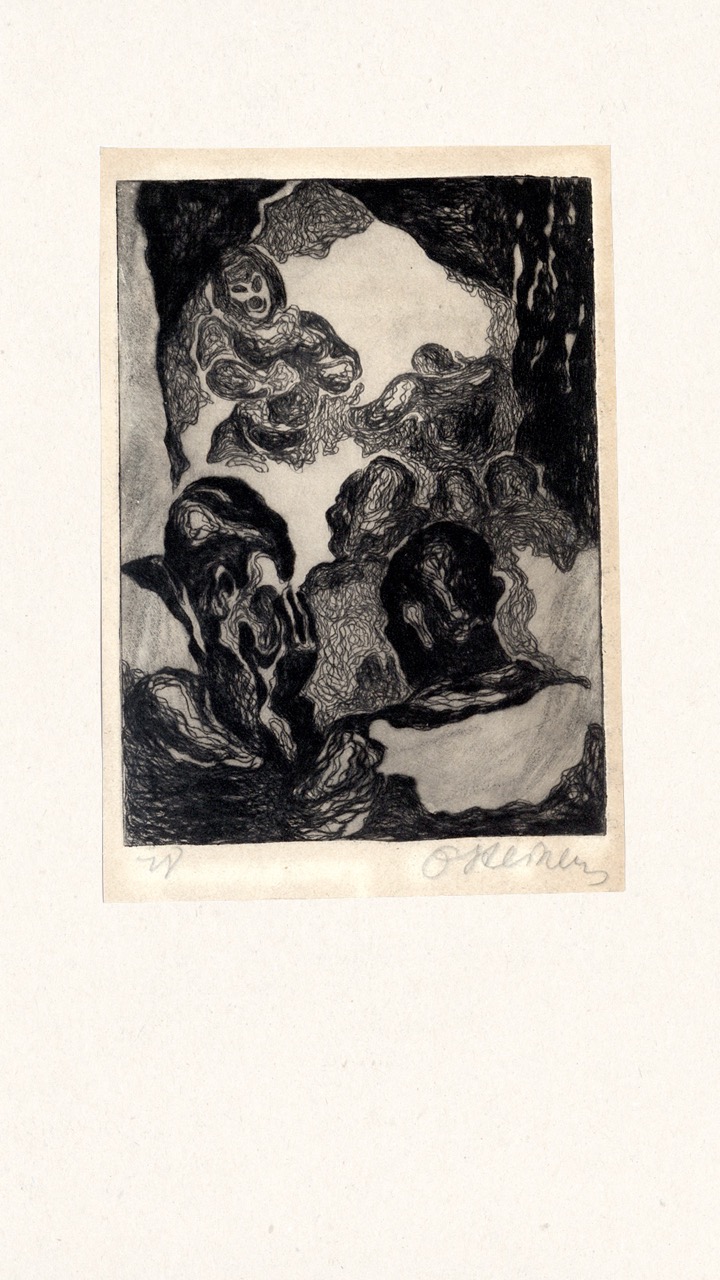
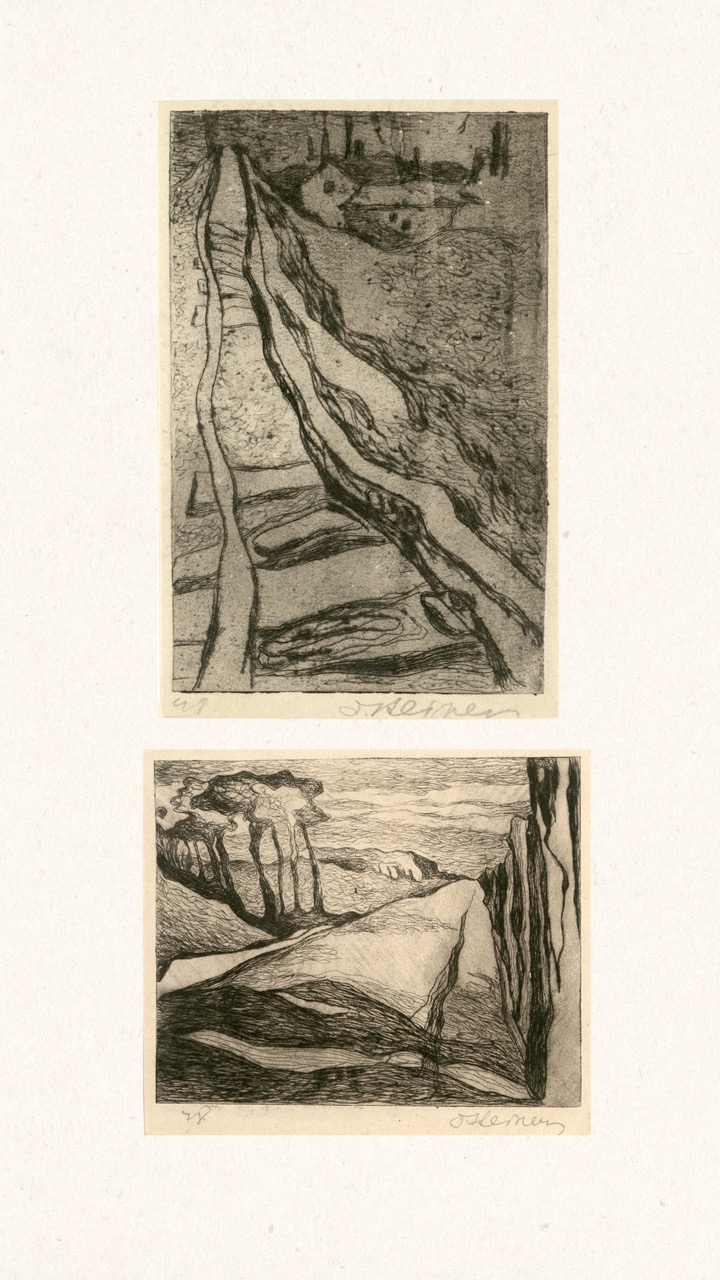
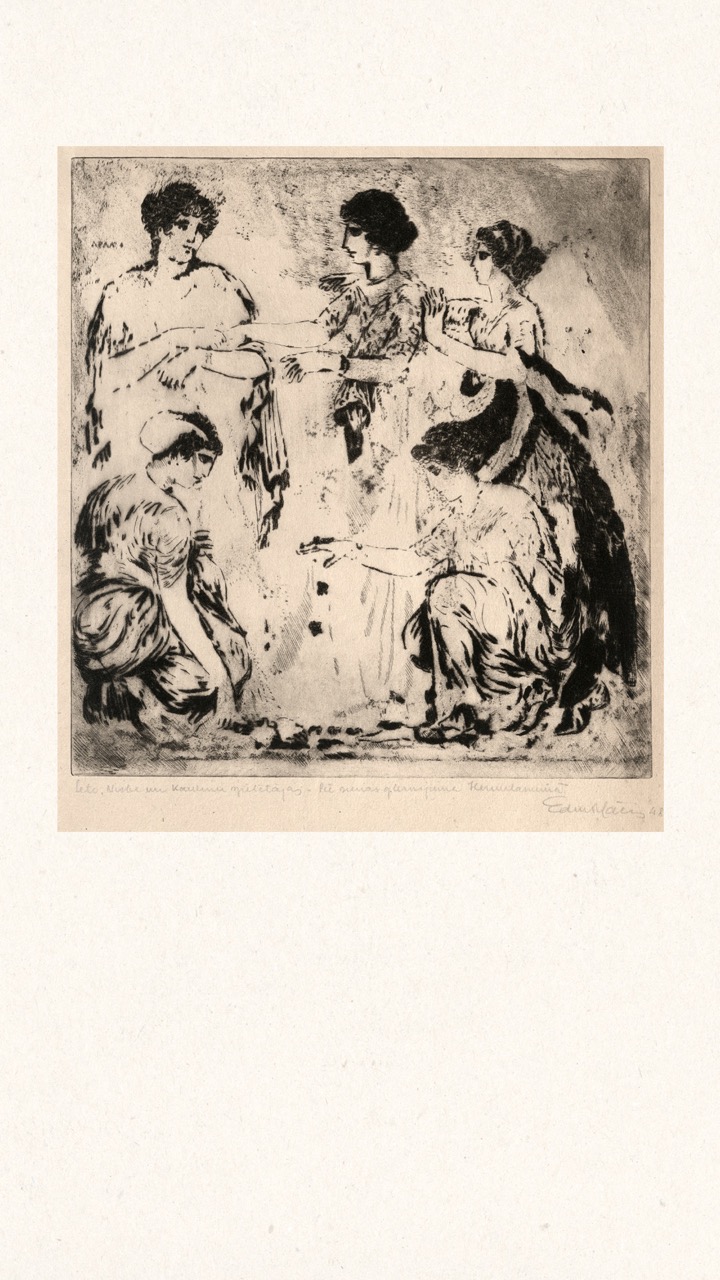
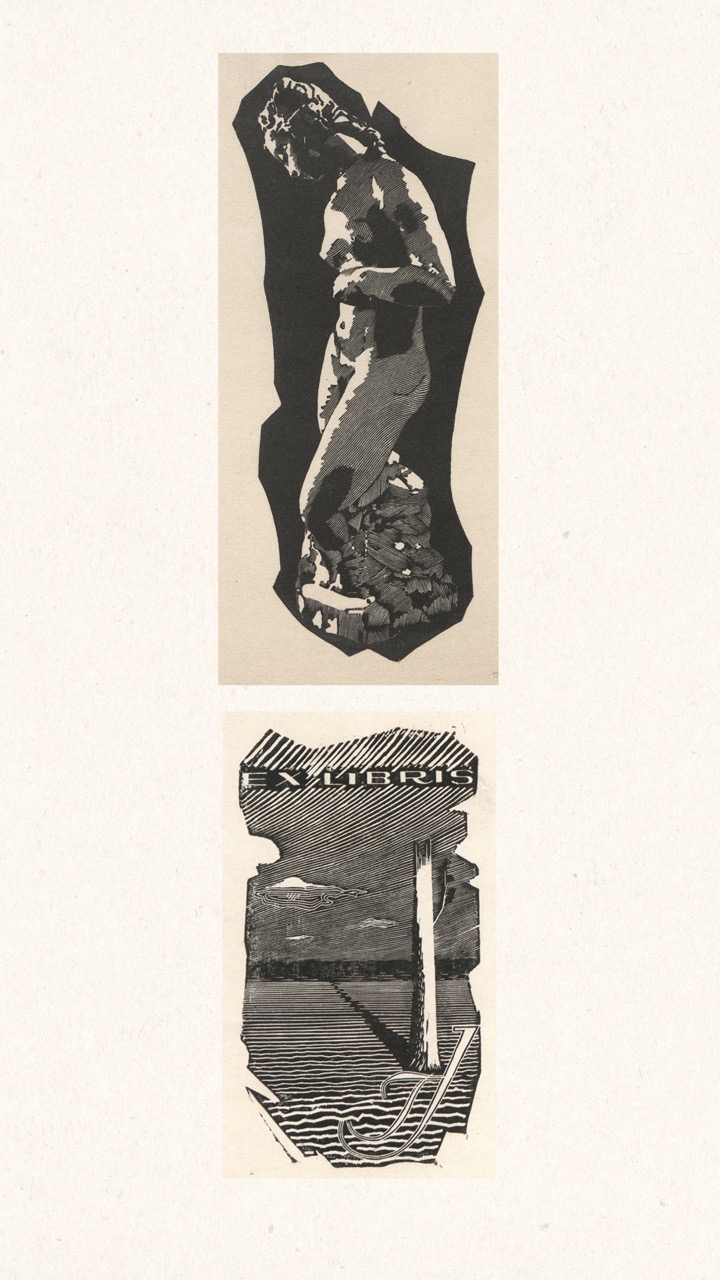
Janis Šternbergs, a master printmaker and docent at the Art Academy of Latvia, was tasked with establishing a professional printmaking workshop, to prepare students for work in the graphic design and publishing industries. They started in a very tiny room that could only accommodate a few students, then moved to a larger studio space in 1947. The students worked on their calligraphy and printmaking assignments for four hours every morning. In the afternoons, they worked on community service projects at the camp: they drew charts for the health centre, prepared technical drawings for the radio engineering and driving courses, made street signs, and illustrated school textbooks. They also painted portraits of authors, scientists, and public figures, built stage sets, and organized shows of their own original artwork.
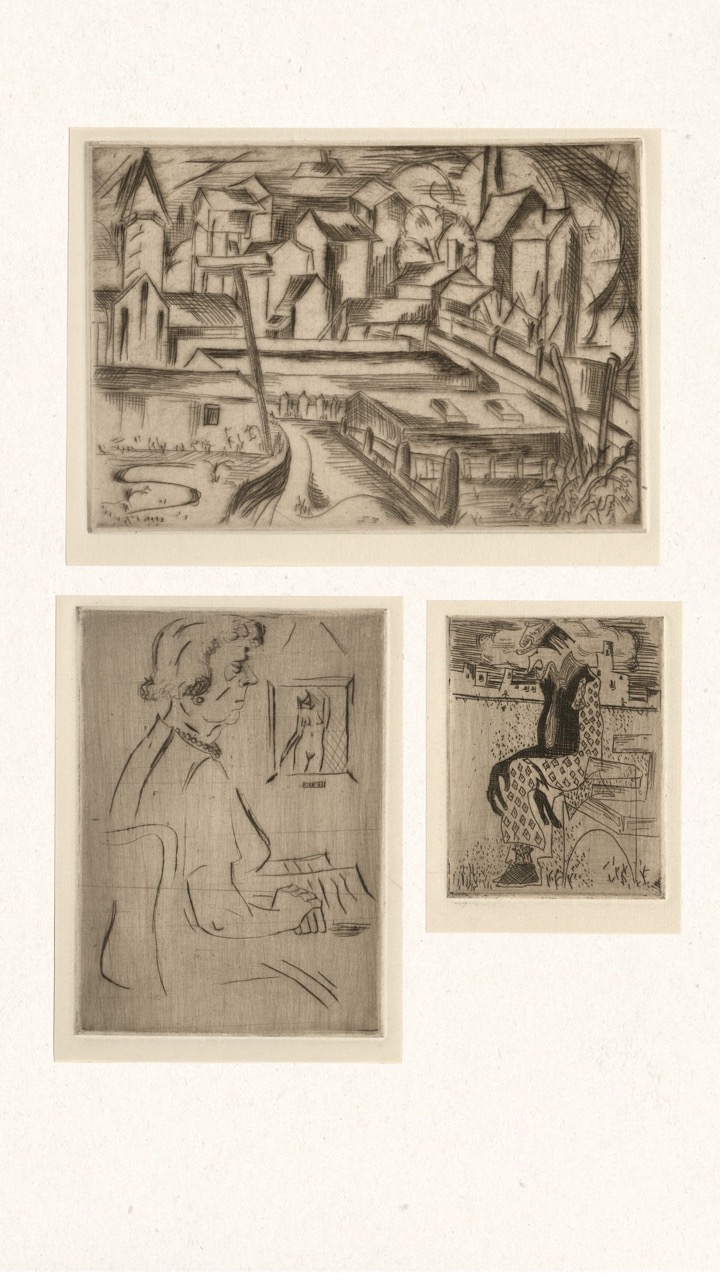
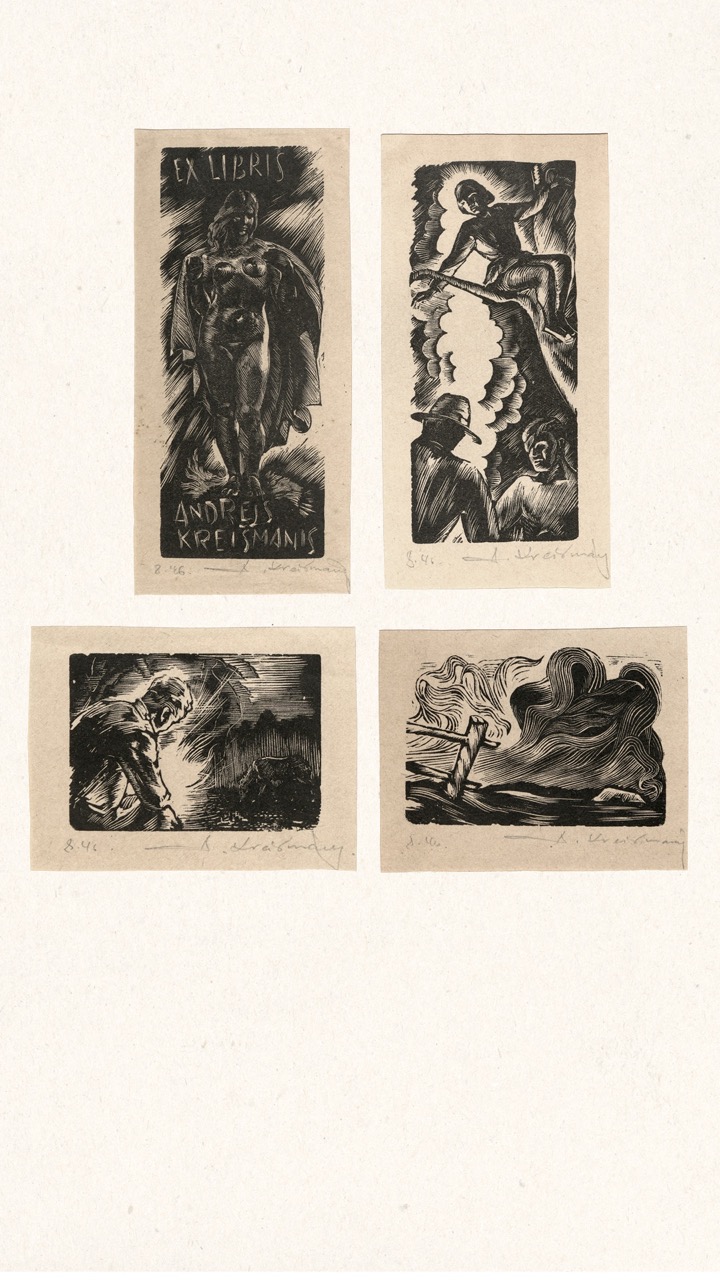
In the summer of 1949, Janis Šternbergs accepted a teaching position at the University of Kentucky, resulting in the closure of his printmaking workshop. The refugee camp administration had planned to publish the already compiled collection of the students’ original artwork, but publication was delayed and Šternbergs left war-torn Europe for America with the folio in his baggage. The folio travelled to Kentucky, then Texas, Michigan and Massachusetts until, nearly 70 years later, it was donated to the Latvians Abroad Museum and Research Centre in Rīga.
Never published, this folio is now being exhibited for the first time – a “book opening” of sorts, an opportunity for the public to finally see this extraordinary collection of graphic art from a tumultuous time. The folio, along with supplemental material, opens a view into an era of dramatic change in Europe through the eyes of a handful of young Latvian artists in exile. We can only marvel at how – during three years after the end of World War II, in temporary wooden structures of a refugee camp outside of Nürnberg, but under the tutelage of a dedicated teacher – students including Viestarts Aistars, Arturs Damroze, Ojārs Šteiners, and Gastons Ērglis created this lasting diverse and powerful visual message.
Sarma Muižniece Liepiņa
Exhibition Curator